Call Us

(905) 670-0113

Top Hydraulic Hose Wraps for Heavy Duty Protection?

Heavy-duty hydraulic systems rarely fail at convenient times. A crushed hose, sharp abrasion, or sudden fluid release can stop a loader, excavator, or factory line within minutes. That is why choosing the right hydraulic hose wrap deserves more attention than a quick online purchase.

Hydraulic maintenance expert Brendan Casey has said, “The best maintenance strategy is to prevent failures before they happen.” This principle fits hose protection well. A dependable wrap should resist abrasion, heat, oil exposure, and repeated flexing. It should also fit tightly without restricting the hose’s movement. Small details matter. A loose spiral can snag. A poorly secured sleeve can slide toward a fitting. Neither problem looks serious at first.

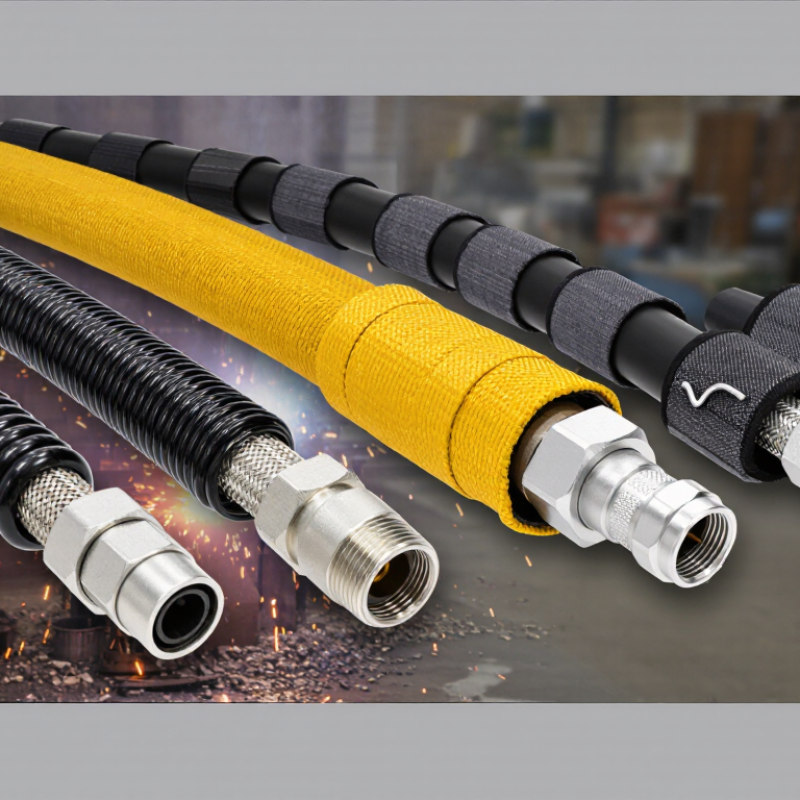
Real job sites are less forgiving. Gravel may rub against a hose beneath a skid steer. Welding sparks may land near a press line. Mud can hide early damage. The right hydraulic hose wrap creates a visible, replaceable barrier around vulnerable sections. Some designs use woven nylon, while others combine heavy-duty polyethylene with hook-and-loop closure. Each option has limits. No wrap can repair a damaged hose, and protective covering may hide wear during inspection.

That is the part worth questioning. Are we choosing protection, or merely adding another layer? This guide compares leading hydraulic hose wrap options for demanding work. It considers material strength, installation speed, visibility, flexibility, and long-term value. The goal is practical protection, not exaggerated promises. Your operating environment should decide the final choice.
Top Hydraulic Hose Wraps for Heavy Duty Protection?

Hydraulic Hose Wraps: Purpose, Risks, and Heavy-Duty Protection Needs

Hydraulic Hose Wraps: Purpose, Risks, and Heavy-Duty Protection Needs

Hydraulic hose wraps protect vulnerable lines from abrasion, heat, dirt, and accidental impact. In heavy equipment, hoses may rub against steel frames, bucket arms, or nearby fittings. A suitable wrap creates a sacrificial outer layer. It does not strengthen a damaged hose. That distinction matters.

Protection starts with a careful inspection. Look for exposed reinforcement, oil dampness, crushed sections, cracked covers, and unusual bulges. A wrap cannot safely conceal these warning signs. High-pressure fluid can penetrate skin through a pinhole, even when the leak appears minor. Stop the system, release stored pressure, and replace questionable hose assemblies through qualified maintenance procedures. Never search for leaks with bare hands.

Choose a wrap that matches the working environment. Abrasion sleeves suit rubbing contact, while heat-resistant materials help near engines or exhaust components. The wrap must fit securely without restricting the hose’s bend radius. Loose edges can catch on moving machinery. Tight installation can create hidden stress. Keep fittings, clamps, and inspection points accessible. During service checks, slide or open the wrap when necessary.

Real-world maintenance is rarely perfect. Dirt can hide early damage, and a protective sleeve may encourage delayed replacement. That is a risk worth acknowledging. Record inspection dates, operating conditions, and recurring damage locations. If one section repeatedly fails, improve hose routing instead of adding thicker protection alone. Small routing changes often prevent larger hydraulic failures.
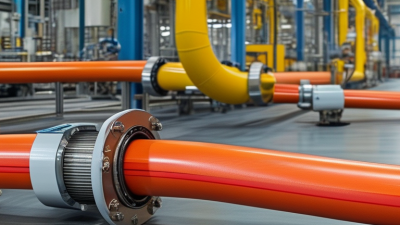
Top Hydraulic Hose Wraps for Heavy-Duty Protection

Hydraulic hose wraps help reduce abrasion, UV exposure, contamination, and external impact. The chart compares representative maximum operating temperatures for common SAE hydraulic hose constructions, highlighting why protective wraps should be selected without exceeding the hose’s rated limits.

Values are representative upper temperature limits commonly associated with these SAE hose constructions. Always verify the exact hose specification, fluid compatibility, pressure rating, and protection-wrap temperature rating before use.

Material Comparison: Nylon, Polyester, and Steel Hose-Wrap Performance

Top Hydraulic Hose Wraps for Heavy Duty Protection?

Material Comparison: Nylon, Polyester, and Steel Hose-Wrap Performance

Hydraulic hose wraps protect against abrasion, impact, heat, and occasional fluid exposure. In field maintenance, nylon sleeves often provide the simplest balance. They are lightweight, flexible, and easy to install around tight bends. Their woven structure can reduce scuffing against frames or nearby hoses. Nylon also handles routine outdoor use well, but prolonged ultraviolet exposure may weaken some constructions. It is not a universal shield.

Polyester wraps offer strong abrasion resistance with lower moisture absorption than nylon. This matters on equipment exposed to rain, washdowns, or muddy work areas. Polyester usually keeps its shape during repeated movement and remains relatively easy to cut and secure. However, stiffness varies between designs. A sleeve that feels durable on a workbench may restrict movement near a moving boom.

Steel hose wrap delivers the toughest defense against crushing, sparks, and severe external impact. It suits mining, heavy construction, and areas with sharp debris. The tradeoff is weight. Steel can also abrade the hose if installation leaves loose edges or concentrated pressure points. Careful fitting matters. Galvanized or coated steel may resist corrosion, yet damaged coatings deserve regular inspection.

Material choice should follow the actual failure risk, not habit. Nylon fits flexible routing, polyester suits wet abrasion, and steel handles extreme mechanical threats. Mixed protection can work better, although it complicates maintenance. A practical inspection should check crushed sections, exposed hose cover, broken fibers, and trapped moisture. No wrap is perfect. Reassessing the choice after seasonal use often reveals overlooked weaknesses.

SAE J517 and 4:1 Burst-Ratio Criteria for Wrap Selection

Choosing a hydraulic hose wrap starts with the hose, not the cover. SAE J517 technical tables define working pressure, proof pressure, and minimum burst pressure for specific hose constructions and sizes. In many common assemblies, the minimum burst value is four times the working pressure. That 4:1 ratio is a selection checkpoint, not permission to exceed the rated pressure.

Check the actual hose data sheet. Carefully. A 3,000 psi working-pressure hose should show at least 12,000 psi minimum burst pressure when a 4:1 criterion applies. SAE J517 also separates pressure classes by construction, so identical outside diameters may have different limits. ISO 18752 provides another useful comparison because it classifies hoses by constant-pressure performance. Do not assume compliance from appearance alone.

The wrap should resist abrasion, heat, oil exposure, and repeated flexing. Field inspections often reveal damage at clamps, bends, and equipment contact points. The U.S. Bureau of Labor Statistics recorded about 2.6 million nonfatal private-industry injuries in 2023, showing why preventable equipment hazards deserve attention.

A wrap can reduce external wear, but it cannot repair a hose with cracked reinforcement or exposed wire. I have seen thick covers hide serious damage. That is an uncomfortable limitation.

Select the wrap after confirming pressure, temperature, bend radius, and movement, then inspect the assembly under realistic operating conditions.

Abrasion, Heat, and Pressure Ratings in Industrial Hose Protection

A hydraulic hose wrap is not merely a sleeve. It is a protective layer against abrasion, heat, and accidental contact. Industrial selection should begin with the hose’s pressure rating, not appearance.

ISO 18752:2022 classifies hoses by pressure capability and impulse endurance. Its test levels can range from 100,000 to 600,000 impulse cycles. That difference matters on excavators, presses, and mobile equipment. Pressure comes first. A wrap cannot increase the hose’s rated working pressure or reduce an unsafe bend radius.

Abrasion protection needs evidence, not guesswork. ISO 6945 evaluates hose abrasion through measured mass loss under controlled conditions. A tightly woven textile wrap may resist rubbing against steel edges, but it can trap dirt and moisture. Inspect the contact area regularly. Heat protection also requires discipline. ISO 6803 uses controlled pressure-impulse testing, including temperature conditions, to assess hose endurance. A heat sleeve may reduce radiant heat, but it cannot upgrade the hose’s temperature rating. Keep clearance from exhaust surfaces and check for hardened rubber, blisters, or discoloration.

Field inspections often reveal a neglected detail: the wrap looks healthy while the hose underneath has failed. That is a real weakness. Remove the wrap during scheduled maintenance. Compare actual system pressure, temperature, and movement with SAE J517 and manufacturer test requirements. The best protection is rarely the thickest option; it is the correctly rated system, installed with honest inspection intervals.

Top Hydraulic Hose Wraps for Heavy Duty Protection? - Abrasion, Heat, and Pressure Ratings in Industrial Hose Protection
Protective Wrap Type Typical Construction Abrasion Protection Typical Continuous Temperature Range Cut and Impact Resistance Chemical and Environmental Resistance Pressure-Related Protection Recommended Industrial Use Key Limitation
Nylon Textile Sleeve Woven or braided nylon yarn with a flexible tubular profile Very Good -40°C to approximately 100°C Good resistance to rubbing and moderate impact; limited protection against sharp cuts Good resistance to oils and hydraulic fluids; prolonged ultraviolet exposure may require stabilization Does not have a hydraulic pressure rating. It reduces external abrasion and can help manage hose movement, but it is not a burst-containment device. General mobile equipment, construction machinery, agricultural equipment, and hose-bundle organization Not intended for direct contact with severe flame, molten metal, or sharp edges
Polyester Textile Sleeve Woven or braided high-tenacity polyester fibers Good to Very Good -40°C to approximately 135°C Good flex-fatigue performance and moderate cut resistance Good resistance to moisture, many oils, and common industrial fluids; UV performance depends on fiber treatment Has no independent pressure rating. It protects the hose cover from external wear but does not increase the hose assembly's allowable working pressure. Long hose runs, compact equipment, and applications requiring flexible routing Performance decreases when exposed to sustained temperatures near the upper limit or severe sharp-edge contact
Polypropylene Monofilament Sleeve Coarse woven or braided polypropylene monofilaments Very Good -30°C to approximately 100°C Good scuff resistance; moderate resistance to puncture and cutting Very good moisture and chemical resistance; generally suitable for many acids and alkalis, subject to the specific fluid Not pressure-rated for fluid containment. It provides sacrificial external protection only. Outdoor equipment, hose bundles exposed to dirt, and applications requiring low moisture absorption Lower heat capability than aramid, fiberglass, or high-temperature textile solutions
Aramid Fiber Sleeve High-strength braided or woven aramid fibers Excellent -40°C to approximately 150°C Excellent cut, abrasion, and tear resistance with high strength-to-weight ratio Good resistance to many industrial fluids; prolonged ultraviolet exposure and strong acids can reduce service life The sleeve itself is not a pressure vessel and must not be treated as a certified burst shield unless specifically tested and approved for that purpose. Mining, forestry, steel handling, heavy construction, and areas with severe mechanical abuse Higher cost; requires careful protection from prolonged UV exposure and incompatible chemicals
Polyamide Spiral Wrap Open spiral profile that is wrapped around an installed hose or hose bundle Good -40°C to approximately 120°C Good protection against rubbing and hose-to-hose contact; limited protection against concentrated impact Good resistance to oils and common hydraulic fluids; chemical compatibility should be checked before installation Provides no pressure rating and does not contain a burst. It is primarily a routing, bundling, and abrasion-control product. Retrofit installations, hose bundles with fittings already installed, and applications requiring quick access Open construction leaves portions of the hose exposed and can collect debris in abrasive environments
Silicone-Coated Fiberglass Sleeve Woven fiberglass substrate with a silicone rubber outer coating Good Approximately -50°C to 260°C, depending on construction and exposure duration Good heat and abrasion resistance; moderate resistance to sharp mechanical cuts Good resistance to heat, moisture, and many industrial fluids; verify compatibility with concentrated chemicals Not rated to contain hydraulic pressure or a hose burst. Its primary function is thermal protection and limited external abrasion control. Near-engine routing, foundries, welding areas, hot oil systems, and applications with radiant heat May be bulkier than textile sleeves and can be damaged by severe crushing or sharp-point loading
Important selection note: Protective wraps do not normally carry the hydraulic line pressure. Select the hose assembly according to its verified working pressure, burst pressure, temperature rating, bend radius, fluid compatibility, and applicable standards. The pressure capability of the hose assembly is not increased by adding a wrap. For personnel protection from hose bursts or pinhole leaks, use a purpose-designed, tested containment system with documented performance ratings.

Installation, Bend-Radius Control, and Inspection Intervals for Hose Wraps

Top Hydraulic Hose Wraps for Heavy Duty Protection?

A hose wrap protects against abrasion, heat, and accidental contact, but installation determines its value. Clean the hose before fitting it. Remove oil, grit, and sharp burrs from nearby brackets. The wrap should sit firmly without crushing the hose. Leave enough access for fittings, clamps, and leak checks. Never use a wrap to hide damaged cover, exposed wire, or a bulge.

Bend-radius control is equally important. Follow the hose manufacturer’s minimum bend radius, measured from the inside of the curve. Do not force a tight bend beside the coupling. Use guides or clamps to prevent twisting, especially during cylinder movement. ISO 18752 classifies hydraulic hoses by pressure and impulse performance, with some categories tested to 1,000,000 impulse cycles. That figure supports correct hose selection, not careless routing. I have seen well-wrapped hoses fail because movement was ignored. Protection cannot correct poor geometry.

Tips: Inspect hose wraps before each shift for cuts, melting, loose stitching, and trapped debris. Check the hose surface underneath during scheduled maintenance. A practical interval is monthly for detailed inspection, with immediate checks after pressure spikes, impact, or overheating. ISO 4413 requires hydraulic systems to receive appropriate inspection and maintenance, but it does not replace a site-specific risk assessment. Record findings with photographs and replacement dates. The missed detail is often the small shiny mark near a clamp. It deserves attention.