What is Hose Fittings and How to Choose the Right Type?
When it comes to hose fittings, understanding the right type can be overwhelming. These small yet crucial components connect hoses to various systems. They ensure fluids flow seamlessly in industries like agriculture, manufacturing, and automotive. With so many options, choosing the right hose fittings requires careful consideration.
Different applications demand different fittings. For instance, a high-pressure hydraulic system needs robust fittings. However, a garden hose requires something lighter. Each fitting type has specific features and limitations. A poor choice can lead to leaks or equipment failure, causing costly downtime.
Furthermore, installation matters too. Proper installation affects long-term performance and safety. Misalignment can lead to premature wear or malfunction. Thus, researching and selecting the appropriate hose fittings is essential for any operational success. It requires more than just knowledge; it calls for expertise in the field. Ultimately, the right fittings not only enhance efficiency but also ensure reliability in various applications.
What Are Hose Fittings and Their Purpose in Fluid Transfer?
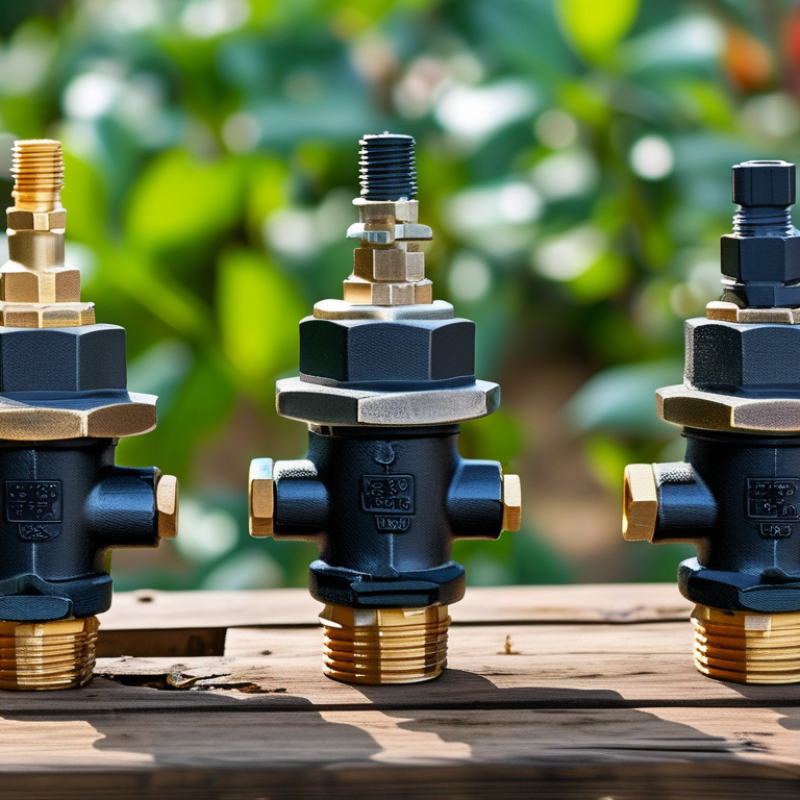
Hose fittings are crucial components in fluid transfer systems. They connect hoses to pipes, valves, or other equipment, ensuring a tight, secure seal. This prevents leaks and maintains pressure in the system. Proper fittings help control fluid flow and contribute to safety in various applications, from gardening to industrial processes.
Choosing the right hose fitting begins with understanding your needs. Consider the type of fluid being transferred. Different fluids require compatible materials to prevent corrosion or degradation. The fitting's size matters too; it should match the hose diameter precisely. A mismatch can lead to pressure loss or leaks.
When selecting fittings, make sure to account for temperature and pressure ratings. They need to withstand the specific conditions of your application. Some fittings may seem appealing but fall short in extreme environments. Check for reviews or recommendations from experts in your field.
For practical use, consider carrying multiple types of fittings. This can save time during unexpected repairs. Also, regular inspections of your fittings help identify wear and tear. Even the best fittings have a lifespan. Being proactive can prevent larger issues down the line.
Hose Fittings and Their Purpose in Fluid Transfer
Types of Hose Fittings: A Comprehensive Overview of Options Available
When selecting hose fittings, understanding their types is crucial. Hose fittings come in various configurations. Common types include barbed fittings, threaded fittings, and quick-connect fittings. Each type serves a specific purpose, depending on hose materials and applications. For instance, barbed fittings excel in low-pressure systems that require a tight fit to prevent leaks. Meanwhile, threaded fittings are favored for higher pressure applications, creating a secure connection.
According to the latest industry reports, threaded hose fittings are projected to account for over 45% of the market share by 2025, illustrating their growing importance in industrial applications. Quick-connect fittings offer the benefit of easy assembly and disassembly, making them ideal for frequent use. However, they can be less reliable under extreme conditions. Companies must weigh these options carefully to avoid potential failures that could lead to costly downtime. Analyzing the specific needs for fluid transfer, whether in agriculture, manufacturing, or other sectors, is essential for making the right decision.
Further complicating the selection process, compatibility with different hose materials is vital. For example, rubber hoses often pair well with barbed fittings. On the other hand, PVC hoses may require specific types of clamps or fittings for optimal performance. Industry experts suggest conducting stress tests on hose fittings before comprehensive usage, as real-world conditions can differ from expected outcomes. Proper testing can reveal whether certain fittings can withstand varying temperatures and pressures, ensuring reliability in critical situations.
Factors to Consider When Choosing the Right Hose Fitting
When selecting hose fittings, several factors come into play. The material of the hose fitting is crucial. Common materials include brass, stainless steel, and plastic. Each material has strengths and weaknesses. For example, brass is durable, while plastic is lightweight but may not withstand high pressures.
The size and compatibility of fittings also matter. Ensure that the fitting size matches the hose diameter. Mismatched sizes lead to leaks or pressure loss. Additionally, consider the type of connection needed. Some applications require quick-connect fittings, while others might need threaded or clamp connections. Assessing the specific purpose will clarify these needs.
It's essential to think about the environment where the hoses will be used. Temperature fluctuations and exposure to chemicals can affect fitting performance. For outdoor applications, UV resistance may also be necessary. Careful examination of these conditions helps avoid future issues.
Tips: Always consult technical guides for detailed specifications. This can save you time and prevent costly errors. Don't hesitate to seek opinions from experienced users, as their insights can provide real-world context that manuals often lack. Consider purchasing a few different types for testing to determine the best match for your specific needs.
Understanding Compatibility: Matching Fittings with Hoses and Applications
When selecting hose fittings, compatibility is crucial. Different hoses require specific fittings to ensure optimal performance and safety. The material of the hose plays a significant role in this compatibility. For instance, rubber hoses often work well with metal fittings, while plastic hoses may need specialized connectors. It's essential to match the fitting type to both the hose material and the intended application.
Understanding the pressure rating is important. Each hose and fitting has a maximum pressure they can withstand. If they do not align, it could lead to leaks or failures. Before making a purchase, check both components for their pressure specifications. This step often gets overlooked, yet it’s vital for long-term function.
Testing compatibility before installation is wise. Some fittings may seem to fit, but tiny differences can lead to issues down the line. Consider investing in a fitting tool to help assess the fit accurately. Regular maintenance checks can also help identify any signs of wear or inefficiency over time. It’s always better to prevent problems than to fix them later.
Installation Tips for Effective and Secure Hose Fitting Connections
When installing hose fittings, securing a tight connection is critical. Begin by ensuring the hose and fitting are clean. Dirt can compromise the seal. Cut the hose at a perfect 90-degree angle. This alignment aids in achieving a snug fit. It often helps if you measure the hose length accurately before cutting.
Use the correct tools during installation. A proper wrench provides enough torque without damaging the fittings. Pay attention to the recommended specifications for tightening. Over-tightening can lead to leaks, which may require undoing the entire connection. Regular inspection of fittings is vital, especially in high-pressure applications.
Take time to assess the fittings you choose. Not all materials suit every environment. Analyze the chemical properties of what you’ll transport. Some materials wear out faster in certain conditions. It’s wise to reflect on past experiences and outcomes. Choose a fitting that meets the specific requirements of your application for optimal performance.