Top Hydraulic Hoses from China for Global Buyers Guide?
Hydraulic hoses play a crucial role in various industries, from construction to agriculture. They are essential for transporting hydraulic fluid efficiently and safely. The demand for high-quality hydraulic hoses has surged globally. This has led to many buyers seeking reliable suppliers, particularly from China, which is a hub for manufacturing.
Choosing the right hydraulic hoses can be challenging. Buyers must consider factors like durability, temperature resistance, and pressure ratings. With numerous options available, making an informed decision is vital. Understanding the specifications and applications of hydraulic hoses is key to ensuring optimal performance in machinery.
As we navigate the landscape of hydraulic hoses, it is essential to reflect on the sources and certifications of these products. Not all manufacturers guarantee quality. Collaborating with reputable suppliers ensures reliability and longevity. It’s a complex market, and buyers must conduct thorough research to avoid low-quality options.
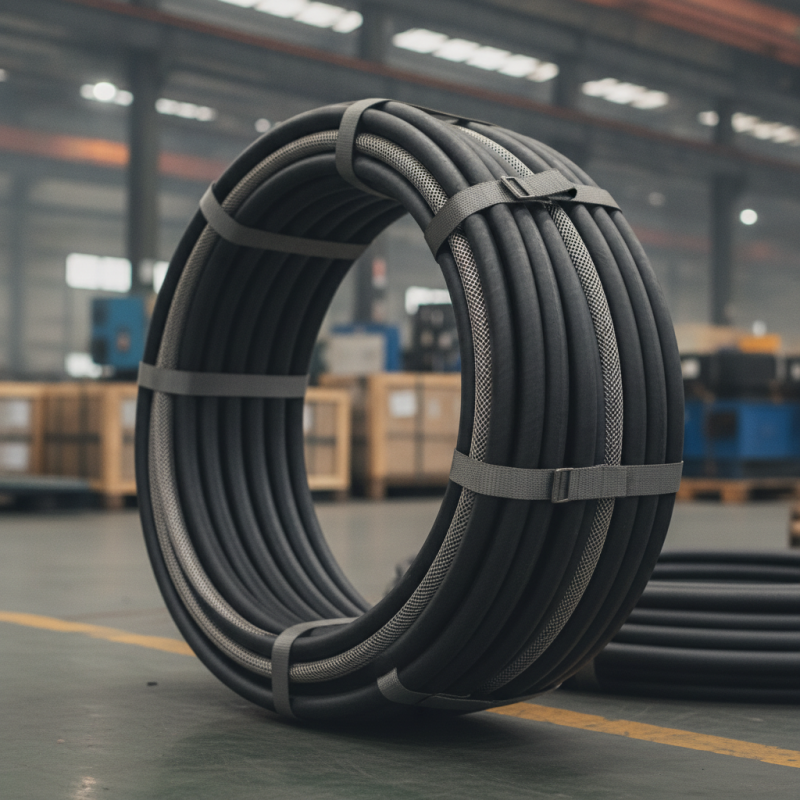
Top Hydraulic Hoses Overview: Key Features and Specifications
When selecting hydraulic hoses, understanding their key features is essential. Hydraulic hoses convey fluid under pressure, making their design crucial for performance. Common specifications include working pressure, temperature range, and flexibility. High-quality hoses often feature multiple layers for reinforcement. These layers ensure durability and resistance to wear and tear.
The choice of materials is also important. Hoses can be made from rubber, PVC, or thermoplastic. Each material has its pros and cons. For example, rubber hoses are known for their flexibility and heat resistance, while thermoplastic hoses are lighter and more abrasion-resistant. Some users report issues with hose stiffness over time. This factor may result in decreased efficiency.
Connections play a significant role in functionality. Hose end fittings must match the application requirements. A proper fit prevents leaks and potential malfunction. Buyers often overlook this detail, leading to poor performance. It's wise to seek expert advice if you're uncertain about specifications. Investing time in understanding these features can yield long-term benefits for machinery operation.
Top Hydraulic Hoses Overview: Key Features and Specifications
| Hose Type |
Inner Diameter (mm) |
Working Pressure (Bar) |
Temperature Range (°C) |
Reinforcement Type |
Application |
| Rubber Hydraulic Hose |
6 |
150 |
-40 to 100 |
Braided Steel |
Construction Equipment |
| Thermoplastic Hose |
10 |
200 |
-20 to 80 |
Multi-layer |
Agriculture |
| Steel Wire Spiral Hose |
20 |
350 |
-40 to 120 |
Spiral Steel Wire |
Mining |
| PTFE Hose |
12 |
100 |
-70 to 260 |
No Reinforcement |
Chemical Transport |
| PVC Hose |
15 |
85 |
-10 to 65 |
Braided |
General Purpose |
Leading Chinese Manufacturers of Hydraulic Hoses: A Comprehensive List
When exploring the world of hydraulic hoses, understanding the major Chinese manufacturers can be quite beneficial. Chinese companies are known for their competitive pricing and wide range of products. Their cutting-edge technology and robust manufacturing processes set them apart. Reliability is a crucial factor in hydraulic applications, and many manufacturers adhere to strict quality standards.
A comprehensive list of these manufacturers showcases their capabilities and innovation. Some suppliers focus on specific industries, such as construction or agriculture. Their expertise in these sectors enables them to produce specialized hoses. However, not all manufacturers are created equal. Quality control can vary, and due diligence is vital to ensure you partner with a trustworthy supplier.
Many companies pride themselves on their customer service and technical support. Still, experiences can differ. Customers should seek those with proven track records. Building relationships with reputable manufacturers can enhance the purchasing experience. Engaging with industry forums or ratings may also provide insights into the best choices.
Quality Standards and Certifications for Hydraulic Hoses in China
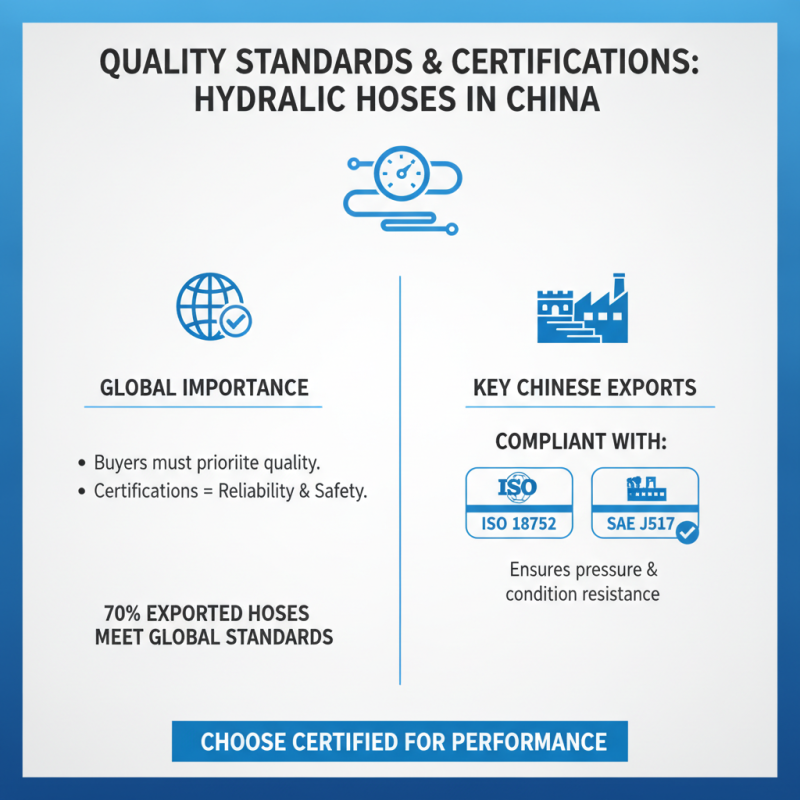
When choosing hydraulic hoses, buyers should recognize the importance of quality standards and certifications. China produces a significant amount of hydraulic hoses, but standards vary. Reports indicate that around 70% of hydraulic hoses exported from China meet internationally recognized standards such as ISO 18752 and SAE J517. These certifications ensure that hoses can withstand the pressures and conditions typical in various industries.
Furthermore, quality control mechanisms are essential in the manufacturing process. Many Chinese manufacturers implement ISO 9001 quality management systems. However, challenges remain in consistent adherence to these standards. Inconsistent quality across batches can lead to reduced performance and increased risks for users. Statistics show that poorly manufactured hoses can lead to a failure rate of up to 5% within the first year of use, which is cause for concern.
It is also worth noting that local regulations in China sometimes differ from global standards. This can create confusion for international buyers. A thorough understanding of these quality benchmarks is necessary. Buyers often overlook the significance of verifying certifications before making purchases. In an industry where safety is paramount, ensuring that hydraulic hoses meet established quality standards is critical for operational success.
Global Market Trends and Demand for Hydraulic Hoses from China
The global market for hydraulic hoses has seen significant growth in recent years. Chinese manufacturers are increasingly meeting this demand due to their competitive pricing and improving quality. These hoses are essential for various industries, including construction, agriculture, and industrial machinery. Companies globally are recognizing that China offers a wide variety of hydraulic hoses tailored to specific applications.
Market trends indicate a steady increase in the use of hydraulic hoses. Buyers are often looking for durable, reliable, and flexible options. However, not all products meet rigorous quality standards. Some buyers face challenges in ensuring product authenticity when sourcing from China. It is crucial for global buyers to conduct thorough research on potential suppliers. This helps in establishing trust and guarantees the purchase of high-quality hydraulic hoses.
Overall, demand continues to shift towards more innovative solutions. Sustainable practices in manufacturing are gaining traction. Buyers need to consider both functionality and environmental impact. While competitive prices are appealing, quality should never be compromised. Choosing the right supplier with proven expertise is essential for success in this market.
Buying Guide: Tips for Selecting the Right Hydraulic Hose for Your Needs
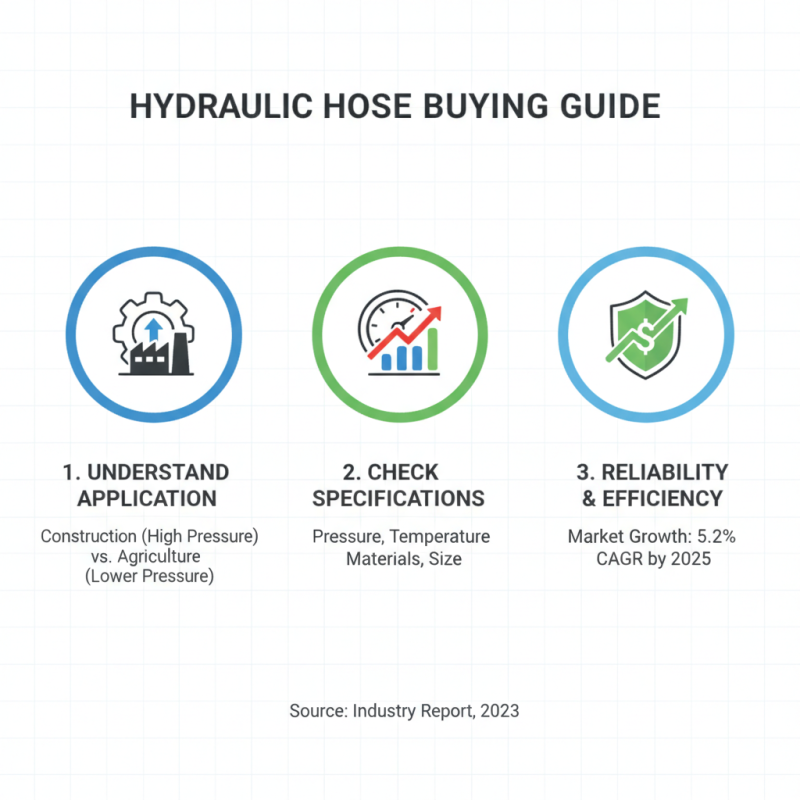
When selecting a hydraulic hose, understanding the application is crucial. Different applications require distinct specifications. For instance, a hose used in construction may need to withstand higher pressures than one used in agriculture. According to a recent industry report, the global hydraulic hose market is expected to grow at a CAGR of 5.2% by 2025, emphasizing the need for reliable and efficient solutions.
Durability and temperature rating are essential factors. Look for hoses that withstand extreme conditions. Many users opt for hoses rated for specific temperature ranges, often crucial in environments like oil fields or factories. A study showed that over 30% of failures occur due to improper temperature ratings. Regular checks for wear and tear can prevent unexpected breakdowns, reflecting industry best practices.
Moreover, consider the compatibility of materials. Using the wrong fittings can lead to leaks. It’s common for users to overlook this aspect. The right material can make a significant difference in hose performance and lifespan. Remember, choosing a hydraulic hose is not just about price; it’s about ensuring safety and efficiency in operations. Making an informed choice can save costs in the long run.