Call Us

(905) 670-0113

How to Choose the Best Hydraulic Hose Wrap?

Choosing the right hydraulic hose wrap is a practical safety decision, not a simple buying exercise. A suitable wrap protects hoses from abrasion, heat, dirt, and accidental impact. It can also make routine inspections easier. However, the wrong material may trap moisture, hide damage, or loosen during machine movement. Small details matter.

This guide explains how to compare hydraulic hose wrap options for construction equipment, agricultural machinery, forklifts, and industrial systems. It considers hose diameter, operating temperature, abrasion exposure, flexibility, installation method, and maintenance access. Nylon, polyester, textile, and spiral designs each serve different working conditions. Manufacturer data should guide the final choice. Applicable safety standards also deserve careful review.

Watch the routing.

A wrap should fit securely without crushing the hose or restricting its bend radius. Check sharp edges, moving joints, and heat sources before installation. In demanding environments, inspect the cover after cleaning, vibration, and pressure cycles. A strong appearance does not prove reliable protection. That is easy to forget.

Experienced maintenance teams usually evaluate the entire hose assembly, including fittings, clamps, and nearby surfaces. They also record inspection dates and replace damaged protection promptly. Still, no wrap can correct poor hose routing or an unsuitable pressure rating. This article offers practical guidance, but site conditions can change the answer. Recheck the recommendation before committing to a large purchase.
How to Choose the Best Hydraulic Hose Wrap?

Understanding the Purpose and Protection Needs of a Hydraulic Hose Wrap

How to Choose the Best Hydraulic Hose Wrap?

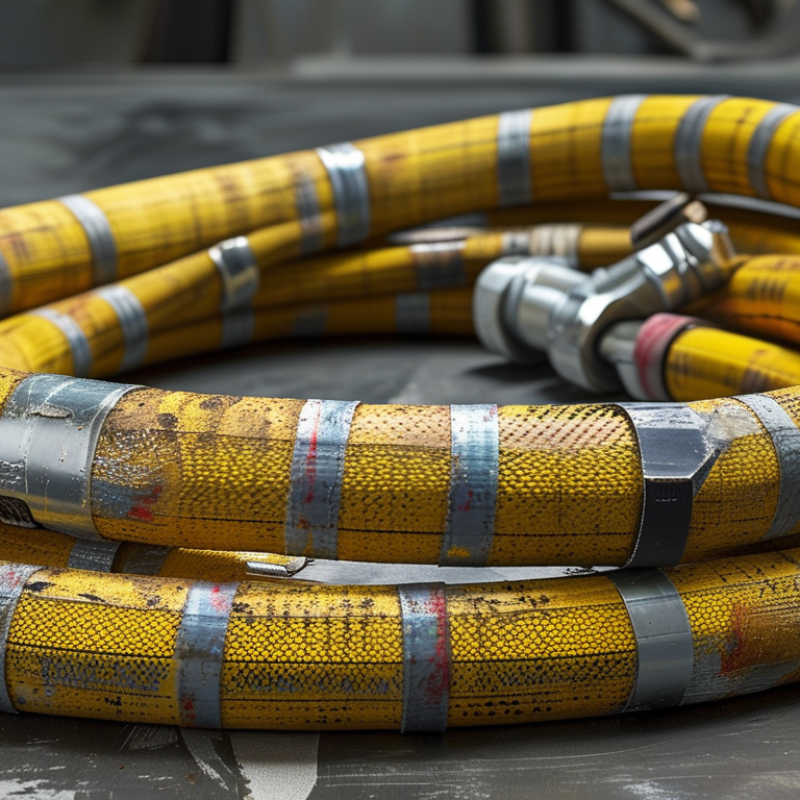
A hydraulic hose wrap protects the hose from abrasion, heat, sparks, sunlight, and accidental impact. Its purpose should guide your choice. A textile sleeve may suit general abrasion, while a thicker, heat-resistant cover works near engines or welding areas. Check the hose diameter carefully. A loose wrap can slide and expose weak points. A tight wrap may restrict movement and create pressure around bends. In field inspections, damaged outer covers often reveal rubbing before the hose itself fails. Small signs matter.

Protection needs also depend on the working environment. Measure temperature, fluid exposure, bending movement, and nearby machinery. Choose a wrap with documented temperature and material ratings. Do not assume every sleeve can contain a burst hose. Some products only protect the surface. If operator safety is involved, verify containment performance with qualified technical guidance. I have seen wraps installed correctly but selected for the wrong heat range. That mistake is easy to miss.

Tips: Inspect the wrap during every hose check. Look for melting, cuts, loose stitching, and trapped debris. Secure the sleeve without crushing the hose. Leave enough flexibility at connection points. Replace it when protection becomes uncertain. A neat installation is helpful, but it is not proof of safety.


How to Choose the Best Hydraulic Hose Wrap?

Understanding the hose construction and the surrounding heat exposure helps determine whether the main protection priority should be abrasion resistance, thermal shielding, or both.

The chart shows typical maximum continuous temperature limits for common hydraulic hose constructions. These values are general engineering references and can vary by hose specification. Choose a wrap with a suitable temperature rating and confirm compatibility with the hose and operating environment.

Evaluating Hose Size, Material, Temperature, and Pressure Requirements

Choosing hydraulic hose wrap starts with the hose itself, not the color or price. Measure the hose outside diameter, including fittings near bends. A wrap that is too tight can restrict movement. One that is too loose may slide during vibration. Leave enough overlap for installation, but avoid bulky ridges. During field inspections, I check the wrap after the hose has flexed, not only when it is new. Small shifts often reveal poor sizing.

Material selection should match the working environment. Polyamide or polyester sleeves can resist abrasion, while hotter applications may require heat-resistant fibers. Confirm compatibility with hydraulic fluid, cleaning agents, and nearby oils. A wrap can look intact while its fibers weaken internally. This is easy to miss. Avoid assuming a heavy sleeve solves every problem. Some materials trap heat or hide leaks, which complicates maintenance. I have seen protection become a blind spot when inspection access was ignored.

Review minimum and maximum temperatures, including short spikes near engines or hot manifolds. Then verify working pressure, impulse pressure, and bend radius from reliable technical data. The wrap does not increase the hose pressure rating. It only helps manage abrasion, heat, or movement. Choose a closure that will not loosen under vibration. Recheck it after installation and scheduled service. The right choice may still need adjustment. Field conditions are less predictable than a catalog.

Comparing Wrap Types for Abrasion, Heat, and Environmental Protection

How to Choose the Best Hydraulic Hose Wrap?

Hydraulic hose wraps solve different protection problems. Spiral guards protect against abrasion from steel edges, concrete, and repeated dragging. ISO 6945 measures hose abrasion through controlled rubbing and mass loss. This test matters when equipment works near sharp frames or moving joints. Textile sleeves offer broader coverage and reduce hose-to-hose scuffing. They are lighter, but exposed edges can still damage them. Choose carefully.

Heat changes the decision. Silicone-coated fire sleeves suit hot surfaces and brief flame exposure, while ordinary textile sleeves may soften or burn sooner. ISO 18752 classifies hydraulic hoses by pressure, temperature, and application performance. However, the hose rating does not automatically rate the wrap. Maintain clearance from exhausts, furnaces, and weld sparks. A small air gap helps, but it is not magic.

Environmental protection needs a different lens. Protective sleeves can block sunlight, water spray, dust, and chemical splashes, depending on their material. Industry safety guidance from the National Fluid Power Association stresses inspection, correct routing, and replacement after visible damage. That point is easy to ignore. A wrap is not a repair. Check for flattened sections, trapped moisture, loose fasteners, and heat discoloration during maintenance. For muddy outdoor equipment, a close-fitting abrasion sleeve may trap grit underneath. In that case, a ventilated guard can perform better, even if it looks less complete. Personally, I would test the chosen wrap on one hose before outfitting an entire machine.

Checking Installation Methods, Flexibility, and Maintenance Needs

Choosing the best hydraulic hose wrap starts with the installation method. In field work, I check hose diameter, length, and routing before selecting material. Measure the outside diameter at several points. Hoses can swell slightly under pressure. A wrap should fit firmly without crushing the hose. Sleeves suit long, straight sections, while spiral wraps work better around bends and tight access areas.

Installation details affect protection. Clean oil and dust from the hose first. Secure the wrap without covering pressure fittings or inspection points. Fasteners should hold the wrap in place, but allow normal hose movement. Leave enough overlap near clamps and bends. Never force a stiff cover around a sharp radius. It may look neat, yet restrict movement during operation. Follow the hose maker’s bend-radius guidance and check for pinching after installation.

Flexibility also controls maintenance needs. A flexible wrap lets technicians inspect fittings and remove contamination. Thick, rigid protection may resist abrasion, but it can hide cracks or leaks. Inspect the cover during scheduled equipment checks. Look for flattened sections, torn edges, loose fasteners, and trapped oil. I once tightened a wrap too aggressively to stop sliding. That shortcut was wrong. The hose became harder to inspect, and the wrap showed early wear. Temperature, chemical exposure, vibration, and cleaning methods deserve equal attention. In dusty areas, removable wraps can reduce service time.

How to Choose the Best Hydraulic Hose Wrap: Installation, Flexibility, and Maintenance Comparison
Wrap Type Typical Material Typical Size Range Installation Method Flexibility and Movement Protection Strengths Maintenance Requirements Best Use Case Overall Suitability
Spiral Guard Wrap High-density polyethylene or nylon Suitable for hose bundles approximately 12–100 mm in outside diameter Wrap helically around the installed hose bundle; trim with a suitable cutting tool and secure the ends if required High flexibility; accommodates bending and moderate hose movement Reduces abrasion from contact with frames, surfaces, and adjacent hoses; allows inspection between spiral turns Inspect for cracks, sharp edges, displacement, and material wear; clean away trapped dirt when necessary Mobile equipment, articulated machinery, and hose bundles requiring retrofit installation ★★★★★
Hook-and-Loop Protective Sleeve Woven polyester, nylon, or coated textile with hook-and-loop closure Commonly available for single hoses and bundles approximately 20–150 mm in circumference Open the sleeve, place it around the hose, and close the full-length fastener; no hose disconnection is normally needed Very high flexibility; easy to open and reposition during service work Provides abrasion protection and helps contain hose fragments if a hose fails; some constructions also reduce noise Check closure engagement, fraying, contamination, and heat damage; replace when the fastening surface no longer holds securely Existing hose assemblies, frequent maintenance access, and installations with limited clearance ★★★★★
Split Braided Sleeve Polyester or polyethylene terephthalate braid with a longitudinal split Typically used on hose bundles approximately 10–80 mm in outside diameter Position the split over the hose bundle and secure the ends with clamps, bands, or compatible ties High flexibility with good conformity around bends; moderate expandability Good resistance to abrasion and rubbing; open construction can help release heat and moisture Inspect the split, braid, and retaining devices; remove debris and check for pulled or damaged filaments Long hose runs where lightweight abrasion protection and ventilation are important ★★★★☆
Textile Fire Sleeve Silicone-coated fiberglass or other high-temperature textile Often selected for hose outside diameters approximately 10–100 mm Slide over the hose before connection, or use a split design with a closure when retrofit installation is necessary Moderate flexibility; flexible enough for routing but less tolerant of repeated sharp bending than spiral guards Protects against radiant heat, hot surfaces, and molten-metal splash when the sleeve is specifically rated for those hazards Inspect for cuts, exposed fibers, hardened coating, heat aging, and contamination; maintain clearance from moving parts High-temperature zones near engines, furnaces, exhaust systems, and welding operations ★★★★☆
Rigid Protective Cover Steel, stainless steel, aluminum, or heavy-duty polymer Selected to match the hose or bundle envelope; commonly used for localized protection rather than full-length coverage Install during assembly or mount around the hose using brackets, clamps, or hinged sections Low to moderate flexibility; must be positioned so it does not restrict the hose minimum bend radius Strong resistance to impact, crushing, and severe external abrasion Check mounting hardware, corrosion, sharp edges, clearance, and contact points; remove any cover that pinches the hose High-impact areas, pinch points, and locations exposed to falling objects or structural contact ★★★★☆
Protective Nylon or Polyamide Sleeve Woven nylon or polyamide textile Commonly used for hose bundles approximately 15–120 mm in outside diameter Slide over the hose before fitting, or install a split version and secure it with end restraints Moderate to high flexibility; suitable for smooth routing with controlled movement Provides general abrasion resistance and helps organize multiple hoses into a compact bundle Inspect for abrasion, melting, chemical exposure, loose weave, and movement at the ends; keep the sleeve from rubbing against sharp edges General-purpose routing on industrial and mobile hydraulic systems ★★★★☆

Selection note: Confirm the hose outside diameter, minimum bend radius, temperature range, chemical exposure, movement pattern, and required protection level before installation. A protective wrap should not compress the hose, interfere with fittings, block required inspection points, or create a smaller bend radius than the hose manufacturer permits.

Selecting a Reliable Hydraulic Hose Wrap for Long-Term Performance

How to Choose the Best Hydraulic Hose Wrap?

Selecting a reliable hydraulic hose wrap starts with the working environment, not appearance. I once treated hose protection as a cosmetic choice. That was a mistake. A suitable wrap must resist abrasion, heat, oil, moisture, and repeated flexing. Check the hose manufacturer’s working temperature and pressure ratings before selecting the wrap. ISO 18752:2017 classifies hydraulic hoses by pressure, impulse performance, and temperature requirements. The wrap must support these conditions without restricting movement.

Measure the hose outside diameter carefully. A loose wrap can slide and expose high-wear areas. A tight wrap may trap heat or interfere with inspection. Look for secure closures, smooth edges, and visible wear indicators. Field experience suggests inspecting contact points near clamps, bends, and machine frames after installation. Small failures appear there first. The European Agency for Safety and Health at Work reports that three in five workers experience work-related musculoskeletal complaints. Heavy, awkward hose bundles can increase handling strain, so flexible protection matters. A thinner wrap is not automatically better.

Use inspection records, not memory. Record installation dates, abrasion spots, temperature exposure, and replacement intervals. The U.S. Occupational Safety and Health Administration warns that hydraulic injection injuries can cause severe tissue damage, even from small leaks. A wrap cannot prevent every failure, and this limitation deserves attention. Choose protection that allows quick leak detection, routine cleaning, and easy removal during maintenance. Long-term performance depends on the entire system.