Why Choose Tigerflex Hose for Your Industrial Needs?
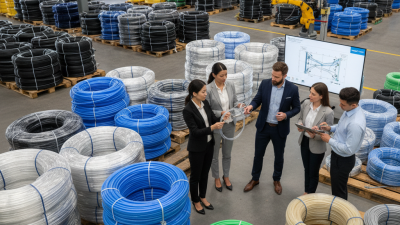
In today's industrial landscape, reliable and efficient equipment is essential. One standout option is the Tigerflex hose. Known for its durability, this hose meets a variety of application demands. Industries often face unique challenges. Selecting the right hose can significantly impact safety and productivity.
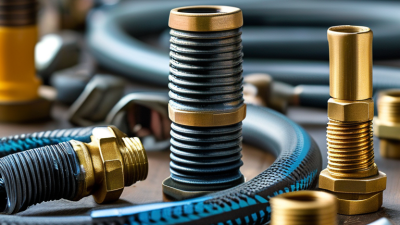
Tigerflex hose offers impressive flexibility and strength. It is designed to withstand harsh environments and chemicals. This adaptability makes it suitable for numerous industries, including agriculture and construction. Users appreciate its lightweight design, which facilitates easier handling. However, some may find certain sizes less available, prompting a need for careful selection.
Investing in Tigerflex hose means prioritizing quality and reliability. Companies that choose this product often experience fewer breakdowns. The hose's reputation speaks volumes in the market. While it may come with a higher initial cost, the long-term savings can be substantial. Balancing quality and expense is crucial for informed decision-making in industrial applications.
Benefits of Using Tigerflex Hose in Industrial Applications
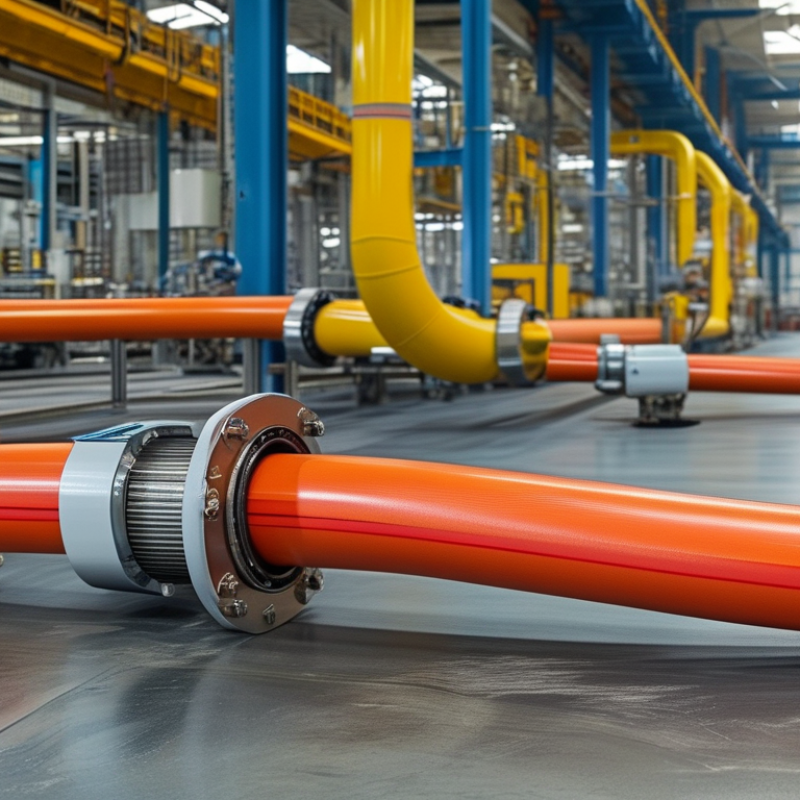
When considering hoses for industrial applications, durability is crucial. A strong hose can withstand harsh conditions. Many industries face challenges like extreme temperatures and pressure variations. Choosing the right hose can prevent costly downtime.
Tigerflex hoses offer flexibility without sacrificing strength. Their design allows for easy handling, even in tight spaces. Moreover, they resist chemicals and abrasions. This resistance prolongs their lifespan, reducing the need for frequent replacements. Industries like agriculture and manufacturing greatly benefit from such reliability.
Despite these advantages, users must consider installation carefully. Poor installation can lead to leaks or failures, even with high-quality hoses. Continuous monitoring is essential to ensure performance. This includes checking for wear and tear during routine maintenance. A proactive approach minimizes risks and enhances efficiency in operations.
Why Choose Tigerflex Hose for Your Industrial Needs? - Benefits of Using Tigerflex Hose in Industrial Applications
| Feature |
Description |
Applications |
Benefits |
| Durability |
Designed to withstand harsh conditions and varying temperatures. |
Construction, mining, and chemical processing. |
Longer lifespan reduces replacement costs. |
| Flexibility |
Easily maneuverable in tight spaces while maintaining strength. |
Agricultural and food processing applications. |
Improves work efficiency and ease of use. |
| Chemical Resistance |
Resistant to a variety of chemicals and corrosive materials. |
Chemical manufacturing and waste management. |
Safety in handling hazardous substances. |
| Lightweight Design |
Easy to transport and install. |
General industrial use and portable applications. |
Reduces worker strain and increases productivity. |
Durability and Reliability of Tigerflex Hose Products
When selecting hoses for industrial applications, durability and reliability are paramount. The harsh conditions of many work sites require hoses that can withstand wear and tear. A well-constructed hose resists abrasion, impacts, and environmental elements. This can prevent costly downtime and repair issues, fostering a smoother workflow.
In addition, the materials used in manufacturing hoses greatly influence their performance. High-quality materials tend to offer enhanced resilience. However, not all hoses perform the same under various conditions. Users should assess the specific requirements of their environment to ensure the best match. While some hoses excel in extreme temperatures, others may falter.
Regular maintenance can enhance the lifespan of hoses. A simple inspection could reveal early signs of wear. Operators should be trained to recognize issues before they escalate. Investing time in thorough checks pays off in the long run, as it minimizes unexpected failures. Every work environment poses unique challenges, and the right hose can make a significant difference. Understanding these nuances can lead to better, more reliable performance overall.
Durability Comparison of Industrial Hoses
This chart illustrates the durability ratings of various types of industrial hoses based on material composition and structure. The data showcases the average lifespan in years for different hose materials, emphasizing the long-lasting performance of selected options.
Versatility of Tigerflex Hose for Various Industries
Tigerflex hoses have gained popularity across various industries due to their impressive versatility. They are suitable for handling a wide range of materials, from water to abrasive substances. A recent industry report indicates that flexible hose systems are projected to see growth rates of up to 7.5% annually through 2025. This trend highlights the need for adaptable solutions in facilities dealing with different materials and environmental conditions.
Their design often includes reinforced layers, making them durable and robust. This durability is essential in industrial settings where hoses are frequently subjected to harsh conditions. An analysis shows that businesses can decrease downtime by using high-quality hoses that withstand physical stress. Even so, some users find it difficult to choose the appropriate hose for specific applications. This indicates a knowledge gap that could lead to overspending or inadequate performance.
The reliability of these hoses is further demonstrated in the agricultural sector. Farmers are increasingly utilizing these hoses for irrigation and liquid fertilizer applications. Research suggests that efficient irrigation systems could boost crop yields by 20% or more. Still, it is vital to assess each hose type's specific compatibility with the intended materials. Making informed decisions is crucial for maximizing efficiency and meeting operational needs.
Cost-Effectiveness of Tigerflex Hose Solutions
When considering industrial hose solutions, cost-effectiveness plays a vital role. Many choose flexible hoses due to their affordability and durability. It is essential to evaluate your specific application when making a selection. Investing in high-quality hoses can lead to long-term savings. Cheaper alternatives may seem tempting but often result in higher maintenance costs down the line.
To ensure you make the right choice, assess the compatibility of your hose with various materials. For example, some hoses perform better with specific chemicals. This can significantly impact their lifespan and efficiency. Regularly inspect hoses for wear and tear. A minor issue can escalate into a costly problem if left unchecked.
When comparing options, it’s helpful to analyze the total cost of ownership. This means considering not just the purchase price, but also maintenance, downtime, and replacement. Keep an eye on warranty offerings as well. Sometimes, a slightly higher initial price could be justified by better warranty coverage. Investing a bit more upfront can often deliver substantial savings over time.
Maintenance and Care for Tigerflex Hose Systems
Maintaining Tigerflex hose systems is crucial for optimal performance. Regular inspections can significantly extend the lifespan of your hoses. A study indicates that properly maintained hoses can last up to 30% longer than those that are neglected. This is important for industries relying on fluid transfer, where hose failure can lead to costly downtime.
Care involves not just visual inspections but also adhering to proper storage practices. Hoses should be stored in a cool, dry place away from direct sunlight. This prevents degradation due to UV exposure, which can reduce the hose's flexibility and strength. Moreover, the operating environment plays a role; harsh chemicals can affect the material integrity. Research shows that environmental factors are responsible for nearly 20% of hose failures.
Training staff on proper handling techniques is essential. Inadequate training often leads to mishandling, increasing the risk of damage. Simple practices, like avoiding sharp bends and kinks, can enhance durability. Effective training programs can improve awareness, reducing misuse by up to 40%. Regular reviews of maintenance records help identify patterns of wear and potential issues, promoting proactive responses.