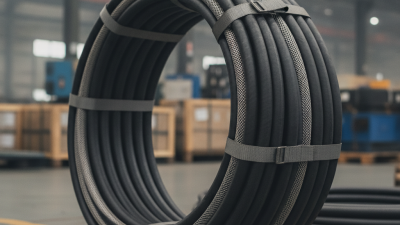
Hydraulic hoses keep mobile equipment, production lines, and construction machinery operating under demanding conditions. Yet choosing a supplier involves more than comparing price lists. Buyers must match hose construction, pressure rating, temperature range, and fluid compatibility to the application. A mismatch can cause premature wear, downtime, or costly replacement. Small details matter.
This guide introduces 10 suppliers serving international buyers and outlines factors that can help distinguish them. These include product range, documented specifications, quality controls, export experience, delivery options, and technical support. Buyers should confirm current certifications and performance data directly with each supplier. Requirements can vary by market and application. A hose designed for one operating environment may not suit another.
The comparison is a starting point, not a substitute for engineering review. Look closely at reinforcement materials, fitting compatibility, bend radius, and expected service conditions. Ask about traceability and how the supplier handles product questions after delivery. Response times matter when equipment is already idle. No supplier is perfect for every buyer, and published information may not reveal every limitation. That is worth remembering. The strongest choice is the one whose verified capabilities, communication, and supply arrangements fit your actual operating needs—not simply the one with the broadest catalogue or lowest quote.
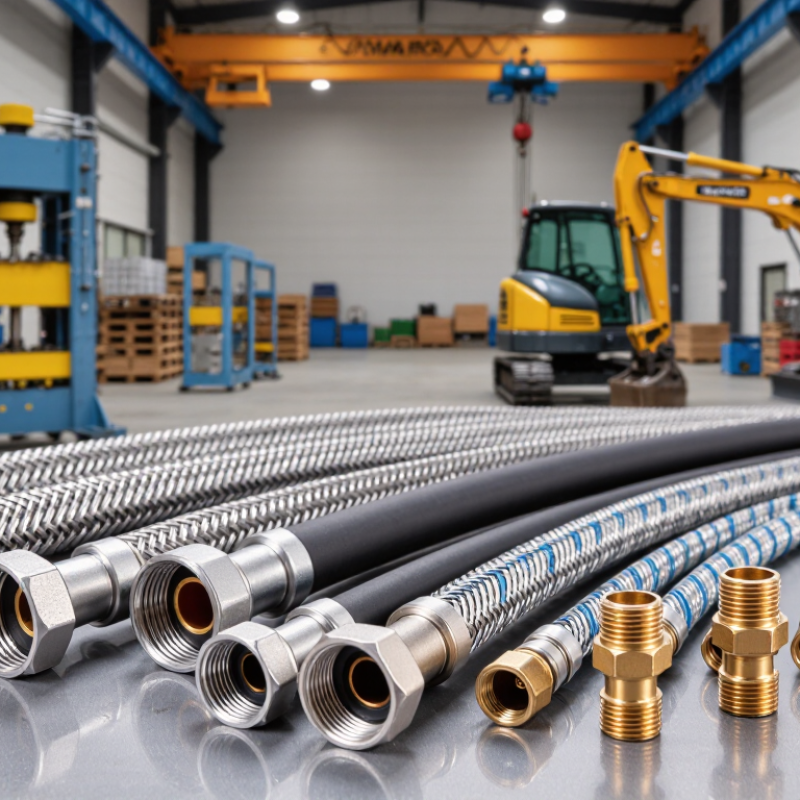
Hydraulic hose suppliers serve different roles in the market. Some manufacture hose in large volumes, while others distribute multiple product lines or build assemblies to order. For global buyers, the distinction affects lead times, customization, and technical support. A broad catalog can help, but it does not guarantee a suitable match.
Products commonly vary by bore size, pressure rating, reinforcement, cover material, and temperature range. Buyers should compare these details with the equipment’s fluid, working conditions, and connection type. Fit matters. A hose that looks correct may still fail early if its application limits are overlooked. Ask for product data sheets and, where relevant, assembly and test records. Clear documentation makes comparisons more reliable.
Suppliers also connect manufacturers with maintenance teams, equipment makers, and regional distributors. Local stock can reduce downtime; specialized assembly services can help with unusual lengths or end fittings. Yet availability claims deserve checking against actual delivery schedules. A polished catalog is not proof of consistent supply. It is easy to focus on price, and harder to weigh support after installation. That trade-off deserves a closer look.
The profiles below describe common hydraulic-hose supplier models, rather than ranking or identifying individual companies. Product availability, certifications, and service capabilities vary by supplier and region.
| Supplier Profile | Typical Products | Common Applications | Market Role | Buyer Considerations | Specifications Buyers May Encounter |
|---|---|---|---|---|---|
| Hydraulic Hose Manufacturer | Wire-braid and spiral-wire rubber hoses in multiple pressure ranges and sizes. | Construction machinery, industrial equipment, and mobile hydraulics. | Produces hose and may supply technical documentation or product testing information. | Confirm pressure rating, temperature range, fluid compatibility, bend radius, and traceability. | SAE J517; ISO 3862; EN 853 or EN 856, depending on hose construction and specification. |
| Hose-and-Assembly Supplier | Hose, fittings, adapters, and made-to-order crimped assemblies. | Equipment production, repair, and replacement markets. | Combines hose sourcing with assembly fabrication and connection-component supply. | Check fitting compatibility, assembly pressure rating, cleanliness, testing, and dimensional records. | Relevant hose standards plus applicable fitting and assembly requirements specified by the equipment designer. |
| Industrial Hose Distributor | Hydraulic hoses, fittings, adapters, and related fluid-power components from multiple sources. | Factories, maintenance departments, and equipment-service businesses. | Provides product availability, sourcing, and local customer support. | Verify the actual manufacturer, product specification, stock status, and origin for each item. | Standards depend on the sourced hose; request the relevant product data sheet and conformity documents. |
| OEM-Focused Supplier | Specified hose assemblies, custom lengths, and application-specific configurations. | Original equipment manufacturing and production-line supply. | Supports repeat orders, design requirements, and production planning. | Assess change control, lot identification, delivery consistency, and first-article approval processes. | Customer drawings and specifications, together with the hose standard required for the application. |
| Mining and Heavy-Duty Specialist | High-pressure wire-reinforced hoses and assemblies designed for demanding service conditions. | Mining, quarrying, earthmoving, and heavy industrial machinery. | Serves applications where abrasion, vibration, pressure cycling, or downtime are important concerns. | Evaluate impulse performance, cover protection, routing, inspection intervals, and replacement support. | Applicable SAE, ISO, or regional hose specifications; confirm the exact grade and duty requirements. |
| Agriculture and Construction Supplier | Common hydraulic hose sizes, replacement assemblies, and fittings for mobile equipment. | Tractors, harvesters, loaders, excavators, and other off-highway machines. | Supports equipment dealers, repair shops, and end users requiring replacement parts. | Check fitment, routing space, temperature exposure, and availability of matching end connections. | SAE J517 or other specified product standards; confirm compatibility with the machine requirements. |
| Thermoplastic Hose Supplier | Thermoplastic hydraulic hoses, including products designed for compact routing or low-weight assemblies. | Material-handling equipment, specialty machinery, and selected industrial systems. | Offers an alternative to rubber hose for applications suited to the specified construction and materials. | Confirm working pressure, temperature limits, fluid compatibility, electrical properties, and bend radius. | The applicable product specification varies by construction; use the supplier’s technical data for the exact hose. |
| Compact-Hose Supplier | Compact wire-braid hoses and assemblies intended for tighter installation spaces. | Mobile machinery and equipment with limited routing clearance. | Provides hose options where installation dimensions and flexibility are design considerations. | Compare outer diameter, minimum bend radius, pressure rating, and assembly compatibility. | EN 857 is one specification buyers may encounter for compact wire-braid hose; verify the required type. |
| Bulk-Hose and Project Supplier | Hose supplied in cut lengths or bulk quantities, with fittings or assembly services available separately. | Large maintenance programs, project procurement, and assembly workshops. | Coordinates volume supply and may support scheduled deliveries or consolidated purchasing. | Review minimum order quantities, lead times, packaging, shelf-life guidance, and batch documentation. | Specify the required hose construction and standard in the purchase order; bulk format does not define performance. |
| Regional MRO and Service Supplier | Replacement hoses, fittings, adapters, and repair or assembly services. | Maintenance, repair, and operations across industrial and mobile-equipment sites. | Focuses on local access, identification of replacement parts, and service response. | Confirm assembly records, pressure testing where required, correct installation, and after-sales support. | Use the machine specification or original hose requirements to select the correct replacement standard. |
Selection note: A hose’s suitability depends on its construction, working pressure, temperature, fluid, routing, fittings, and operating conditions. Verify the complete assembly specification before purchase or installation.