Wholesale Hose Fittings What You Need to Know for Global Buyers
In the global marketplace, hose fittings are essential components in various industries. They are used in agriculture, construction, and automotive sectors, among others. Understanding the nuances of wholesale hose fittings can help buyers make informed decisions. Knowledgeable buyers are better equipped to choose the right products for their needs.
Quality and compatibility are critical factors when selecting hose fittings. Buyers should focus on materials, design, and performance characteristics. Different applications demand specific features, and understanding these can lead to improved outcomes. Reliable suppliers can often provide valuable insights. However, not every source is trustworthy, leading to potential pitfalls in purchasing.
Additionally, buyers must consider pricing, shipping, and regulatory compliance. An attractive price may signal a quality compromise. It is essential to evaluate the entire product lifecycle before committing. Reflection on these aspects can lead to better procurement strategies and minimize risks in the long run. Observing both successes and failures in past purchases can guide future choices.
Understanding Wholesale Hose Fittings: A Comprehensive Overview
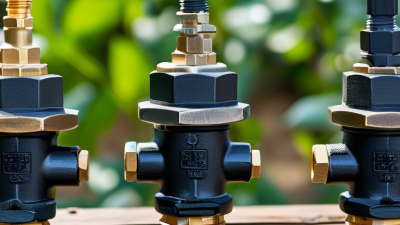
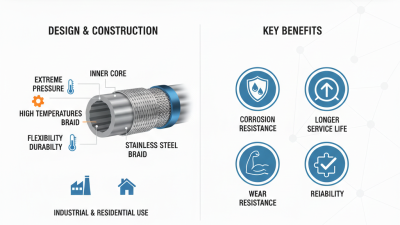
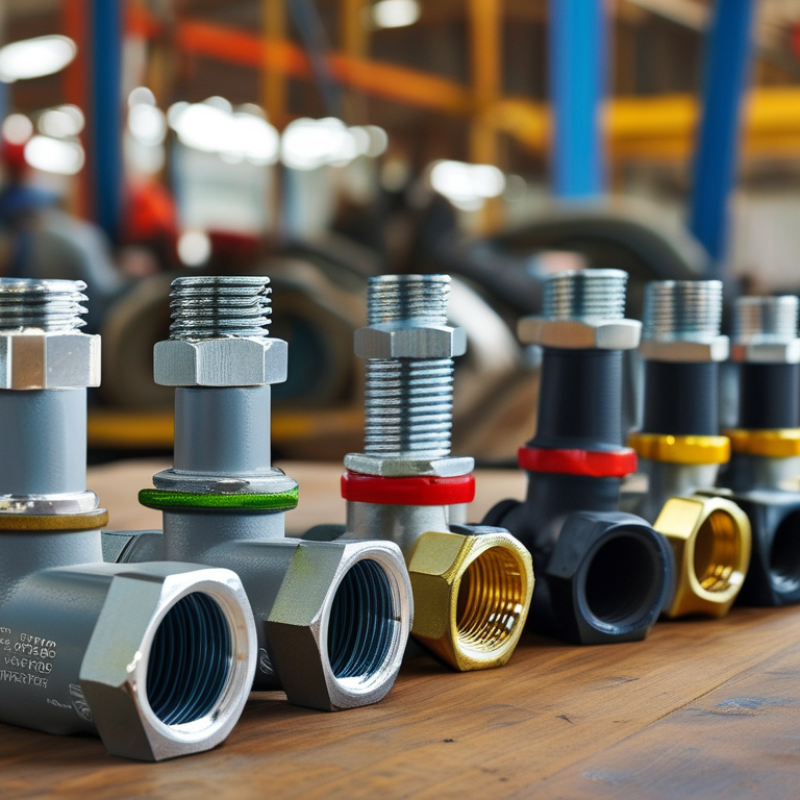
When delving into wholesale hose fittings, it's crucial to grasp the fundamentals. These fittings are essential components in various industries, from agriculture to construction. They connect hoses, allowing for efficient fluid transfer. Buyers should prioritize understanding the materials used in making these fittings. Common materials include brass, stainless steel, and plastic. Each material has its unique benefits and limitations.
Buyers also need to pay attention to standards and certifications. Quality assurance is vital in this sector. Some fittings may lack the durability needed for high-pressure applications. Researching suppliers for their credibility is essential. A reliable supplier typically has a track record of providing consistent quality.
Moreover, potential buyers should consider the nuances of size and compatibility. Not all fittings are universally applicable. Incorrect sizing can lead to leaks or system failures. It's worth reflecting on previous purchases to recognize patterns or issues in your selection process. Engaging with industry forums can bring additional insights and help avoid common pitfalls. These conversations can enhance knowledge and make informed decisions easier.
Types of Hose Fittings: A Guide for Global Buyers
When it comes to hose fittings, understanding the various types available is crucial for global buyers. Hose fittings come in many styles, including camlock, quick disconnect, and threaded types. Each type serves specific purposes and is designed for different applications. A report from IBISWorld indicates that the global market for hose fittings continues to grow, driven by demand in industries like agriculture, construction, and manufacturing.
A detailed analysis reveals that camlock fittings are particularly popular for fluid transfer. Their ease of use makes them favored among many operators. Quick disconnect fittings offer convenience for applications that require frequent assembly and disassembly. Data shows that the versatility of these fittings can increase operational efficiency by up to 30%. However, incorrect selection can lead to leaks or system failures, which is a significant concern.
It is also important to consider material choices. Metal and plastic fittings offer different strengths and weaknesses. While metal fittings provide durability, plastic options weigh less and resist corrosion. Reports suggest that nearly 35% of buyers overlook these details, leading to potential headaches in maintenance. Understanding these details empowers global buyers to make informed decisions, ultimately improving performance and longevity in their operations.
Key Considerations When Sourcing Hose Fittings Internationally
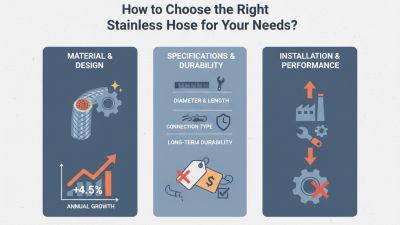
Sourcing hose fittings globally requires careful consideration. Different countries have varying standards for materials and manufacturing processes. Familiarizing yourself with these standards is essential. Research the types of materials used in fittings. Common materials include brass, stainless steel, and plastic. Understanding their pros and cons can greatly affect the performance of the final product.
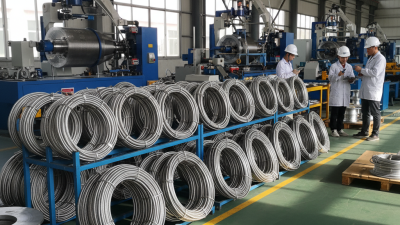
Quality control processes should not be overlooked. Many manufacturers claim to meet international standards but may lack proper certification. It's advisable to request samples before placing bulk orders. This allows you to inspect the fittings for durability and reliability. Building strong relationships with suppliers can also enhance sourcing experiences.
Logistics is another critical factor. Shipping costs can significantly impact the overall price of hose fittings. Be prepared for potential delays in transit or customs clearance. Evaluating the total landed cost, including tariffs, can help ensure you stay within budget. Don't shy away from discussing these aspects with your supplier. Open communication can clarify expectations and foster trust in the partnership.
Quality Standards and Certifications for Hose Fittings
In the global market, understanding quality standards for hose fittings is essential for buyers. Hose fittings must comply with international standards to ensure safety and performance. Organizations like the International Organization for Standardization (ISO) and the American Society for Testing and Materials (ASTM) set benchmarks for materials and performance. For instance, ISO 8434 defines the requirements for metallic fittings. Buyers can benefit from familiarizing themselves with these standards.
Certifications play a crucial role in determining product quality. Many manufacturers seek certifications such as ISO 9001, which signals that processes meet international quality management standards. A 2022 industry report stated that products with recognized certifications tend to have 25% higher acceptance rates in global markets. However, not every manufacturer follows through on these standards. There are instances where compliance may be stated but not verified, raising concerns about reliability.
Ensuring a reliable supply chain involves careful vetting of suppliers. Buyers should consider requesting sample products and reviewing their test results. This approach helps in understanding whether a supplier genuinely adheres to quality standards. Industry trends reveal that buyers increasingly rely on third-party audits to ensure compliance. Nevertheless, challenges remain. Some suppliers may have outdated practices, leading to inconsistency in product quality. This underlines the importance of continuous evaluation in the purchasing process.
Best Practices for Negotiating with Wholesale Suppliers
Negotiating with wholesale hose fittings suppliers requires a keen understanding of market dynamics. Recent data indicates that the global hose fittings market is projected to grow by 5.2% annually, reaching 5.4 billion USD by 2027. This growth presents opportunities, but buyers must strategize effectively. Knowing the average cost of materials can help in reaching fair agreements.
Buyers should analyze supplier performance and reliability. Reports show that 75% of suppliers with steady communication channels yield better results. It's crucial to ask for client references and case studies. This practice builds trust and informs decision-making. Confident negotiation often hinges on well-prepared data and insights.
Flexibility in negotiations can lead to mutually beneficial terms. While some parameters may be fixed, others can be adjusted to accommodate both parties. A study found that 60% of successful negotiations involved compromises on delivery timelines or payment terms. Understanding the supplier's perspective can foster collaboration, ultimately driving a smoother purchasing experience.