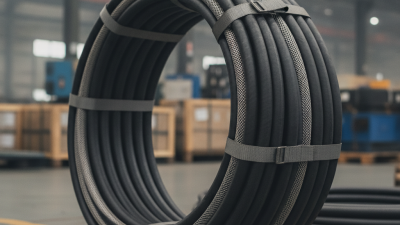
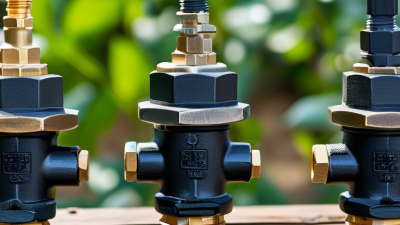
Choosing the best China hose and fittings suppliers requires more than comparing prices. It requires evidence.
Industry data shows why this market deserves careful evaluation. Grand View Research identifies industrial hose demand as closely linked to construction, manufacturing, mining, agriculture, and energy investment. MarketsandMarkets also reports continued growth in hydraulic hose applications, driven by mobile equipment and industrial automation. These trends create opportunities for Chinese manufacturers, but they also increase quality expectations.
Quality is measurable.
A reliable supplier should demonstrate material traceability, pressure testing, dimensional control, and consistent batch records. Buyers should examine certificates, inspection reports, production photos, and export experience. ISO 9001 certification can support process reliability, although certification alone does not guarantee product performance. ISO 18752 and related standards may also help buyers compare hydraulic hose performance, including pressure classes and impulse resistance.
Small details matter. A fitting that looks polished may still fail under vibration, heat, or chemical exposure. Correct thread standards, reinforcement layers, temperature ratings, and sealing materials must match the application. Technical drawings and sample testing are useful before placing larger orders.
This guide evaluates China hose and fittings suppliers through manufacturing capability, compliance, customization, delivery reliability, and after-sales support. It also considers findings from established industrial market reports and recognized technical standards. No supplier ranking is flawless. Supplier websites can exaggerate strengths, while public data may be incomplete. Practical verification remains essential.
The best choice is not always the cheapest factory. It is the supplier that can repeatedly deliver safe, compatible, and traceable products.
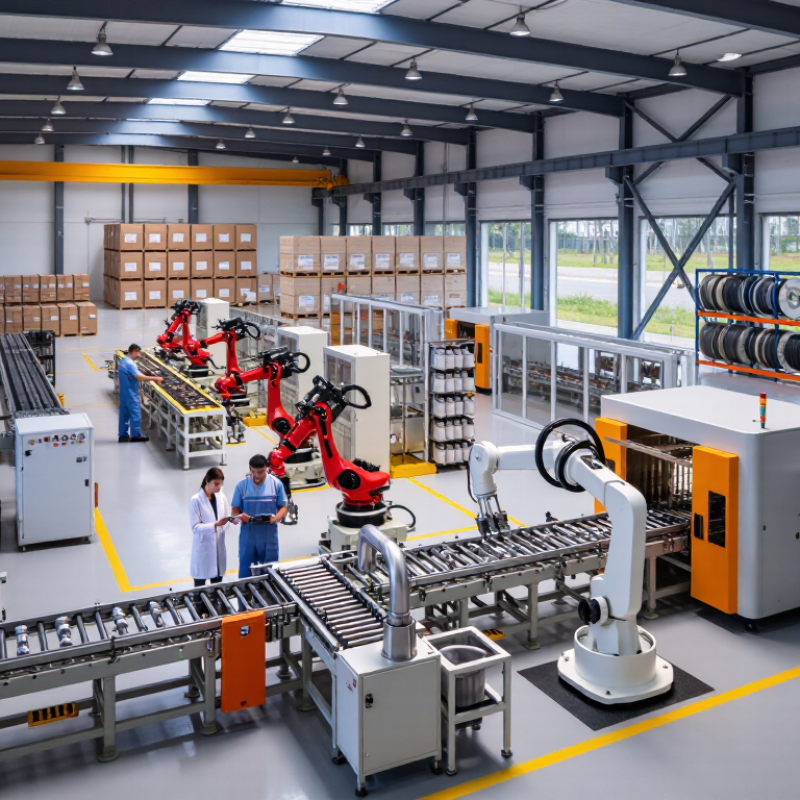
The best China hose and fittings suppliers depend on product type, pressure, temperature, and application. Hydraulic hoses serve excavators, agricultural machinery, and factory equipment. Industrial rubber hoses handle air, water, oil, and abrasive materials. PTFE and thermoplastic hoses suit chemical transfer, instrumentation, and high-purity systems. Not just price.
Grand View Research reported that the global industrial hose market exceeded USD 13 billion in 2023. Its forecast indicates continued growth through 2030, supported by construction, manufacturing, and energy demand. MarketsandMarkets also projects steady expansion in the hydraulic hose market before 2029. These figures matter because supplier capability must match application growth, not only current order volume.
For buyers, strong suppliers should provide pressure-test records, material certificates, dimensional inspection, and batch traceability. ISO 9001 helps, but it does not replace product-level evidence. EN, SAE, DIN, and other applicable standards should match the target market and equipment design.
Suppliers serving mining need abrasion-resistant covers and reinforced couplings. Food and pharmaceutical applications require controlled materials and clean production areas. Offshore and chemical users need verified compatibility, temperature data, and corrosion-resistant fittings.
A catalog can mislead. The weak point is consistency.
Request samples, inspect crimp dimensions, and review burst-test results before approving mass production. Factory audits should examine storage, rubber aging control, fitting machining, and final inspection. Experienced sourcing teams often compare several factories because one supplier may excel in hydraulic assemblies but perform poorly with sanitary or PTFE products.
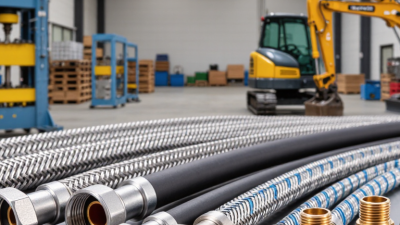
When comparing China hose and fittings suppliers, pressure ratings deserve more attention than catalog appearance. SAE 100R specifications describe hose construction, reinforcement, and performance requirements. ISO 18752 uses pressure classes to compare hose performance more consistently across sizes and applications. These systems are related, but they are not interchangeable labels.
A hose marked SAE 100R2 may suit demanding hydraulic circuits, yet its actual working pressure depends on size, temperature, and assembly quality. ISO 18752 Class C or D products can offer constant-pressure performance across several dimensions and applications.
Check working pressure, impulse testing, minimum bend radius, and temperature limits. Small details matter. A hose may pass a laboratory test but fail after poor routing or excessive vibration.
In supplier evaluations, request current technical sheets, batch traceability, coupling compatibility, and test documentation. Confirm whether pressure values describe working pressure or burst pressure. That mistake is more common than it should be.
Inspect crimp dimensions with calibrated tools, not visual judgment alone. I would also compare aging resistance and cover performance when oil, sunlight, or abrasion is present.
No standard removes every installation risk. The best choice balances ISO or SAE compliance with verified manufacturing control, accurate documentation, and the real conditions inside the machine.
China hose and fittings suppliers should be evaluated through measurable standards, not catalogue variety. ISO 8434 provides a useful framework for hydraulic tube connections, including 24-degree cone, 37-degree flare, and O-ring face-seal designs. Ask suppliers to identify the exact ISO 8434 section. “ISO compliant” alone is too vague.
Material selection needs equal attention. Carbon steel fittings suit many general systems, while 316L stainless steel offers better resistance in humid, marine, and chemical environments. Confirm the material grade through mill certificates and independent laboratory testing. According to Grand View Research’s 2024 hydraulic hose market report, the global market was valued at over USD 1.8 billion in 2023. That scale increases competition, but also creates inconsistent quality. Supplier audits should check burst pressure, impulse testing, dimensional accuracy, and batch traceability. A polished certificate is not proof of stable production.
Tips: Match the connection standard before comparing prices. Check BSP, NPT, metric, and JIC threads with calibrated gauges. Never force mismatched threads. ISO 8434 does not automatically make every connection interchangeable. The International Organization for Standardization also stresses correct design, installation, and inspection within its hydraulic connector standards. In practice, I would request sample parts, inspection records, and salt-spray results before approving a supplier. One weakness remains: many buyers test only one sample batch. That may hide later production variation.
The strongest suppliers should be ranked by evidence, not catalogue size or polished websites. ISO 9001 certification indicates controlled processes, but buyers must verify its scope, issuing body, and expiry date. For automotive applications, IATF 16949 carries greater weight because it addresses defect prevention and process discipline. A supplier without this certification may still perform well, but the risk requires closer inspection.
Testing records reveal practical manufacturing ability. Ask for burst-pressure, impulse, leakage, tensile, and dimensional reports linked to specific production lots. Good reports show test dates, equipment numbers, acceptance limits, and responsible inspectors. Traceability should connect the finished hose to compound batches, reinforcement materials, fitting lots, and operator records. A QR code alone proves little. The underlying data matters more.
During supplier audits, request random samples from warehouse stock and compare their markings with inspection files. Check whether nonconforming products receive documented corrective action. This is where rankings become more realistic. A supplier may hold ISO 9001 and IATF 16949 certificates, yet provide incomplete test records. Another may lack IATF certification but maintain unusually clear batch control and responsive technical support. Neither certificate nor paperwork replaces physical verification. I would rank suppliers highest when certification, repeatable testing, and traceability agree across several orders. Mistakes still happen. Reliable suppliers show how they detect and correct them.
What Are the Best China Hose and Fittings Suppliers?
The best supplier is not always the largest factory. Check whether its capacity matches your forecast and seasonal demand. Ask for monthly output, equipment details, and recent production records. A capable supplier should explain how it handles urgent orders without weakening inspection standards. Factory visits or live video audits can reveal storage conditions, testing areas, and workflow gaps.
Lead time needs written evidence. Request standard and peak-season schedules for your exact hose and fitting specifications. A supplier promising seven days may still need longer for special materials, tooling, or export documentation. MOQ also matters. A low MOQ reduces inventory pressure, but it may increase unit costs or limit customization. I have seen buyers focus on price and miss packaging, testing, and replacement costs.
Tips: Compare at least three suppliers using the same inquiry sheet. Record capacity, quoted lead time, MOQ, payment terms, inspection steps, and shipment history. Check export performance through redacted shipping records, customer references, and on-time delivery data. Confirm whether the supplier regularly serves your destination market. Customs experience can prevent avoidable delays. Ask how it manages failed tests and late shipments. The answer may be more valuable than a polished sales presentation. Not every supplier will provide perfect evidence, and that deserves careful reflection.
Anonymized supplier benchmark profiles for comparing manufacturing capability, purchasing flexibility, delivery reliability, and export readiness.
| Supplier Profile | Main Product Coverage | Annual Capacity | Standard Lead Time | Custom/OEM Lead Time | Typical MOQ per SKU | On-Time Export Shipment Rate | Export Experience | Quality and Compliance Capability | Best Fit | Overall Score |
|---|---|---|---|---|---|---|---|---|---|---|
| Profile A | Hydraulic hoses, industrial hoses, hose assemblies, adapters, and forged fittings | 8–12 million hose assemblies or fitting sets per year | 20–30 days | 35–45 days | 100–300 pieces | 97%–99% | Regular container and LCL exports to more than 40 markets | Traceability by batch; pressure, impulse, leakage, and dimensional testing available | Best overall balance for distributors and industrial buyers | 92/100 |
| Profile B | High-pressure hydraulic hose, metric fittings, adapters, and heavy-duty assemblies | 12–18 million hose assemblies or fitting sets per year | 25–35 days | 40–55 days | 500–1,000 pieces | 96%–98% | Strong repeat-export capability with consolidated container programs | Advanced pressure testing, material certificates, and production inspection records | Best for high-volume orders and standardized product ranges | 90/100 |
| Profile C | Rubber water hose, air hose, fuel hose, clamps, and general-purpose connectors | 15–25 million meters of hose and 5–8 million fittings per year | 18–28 days | 30–40 days | 300–800 pieces | 95%–98% | Broad experience in private-label packaging and mixed-container shipments | Routine dimensional and burst testing; compliance documents available by order | Best for cost-sensitive wholesale and retail distribution | 87/100 |
| Profile D | Stainless-steel braided hose, PTFE hose, sanitary fittings, and chemical hose | 2–5 million assemblies or fitting sets per year | 30–45 days | 45–65 days | 50–150 pieces | 93%–97% | Export-focused production for specialized industrial and process applications | Material traceability, surface inspection, pressure testing, and certificate support | Best for specialized products and lower-volume technical projects | 84/100 |
| Profile E | Automotive hoses, air-conditioning hoses, fuel lines, and molded rubber components | 4–8 million assemblies per year | 35–50 days | 55–75 days | 1,000–3,000 pieces | 92%–96% | Long-term OEM and aftermarket export programs with scheduled production | Tooling control, sample approval, batch inspection, and application-specific testing | Best for stable automotive programs with forecast-based purchasing | 82/100 |
| Profile F | Low-volume custom hose assemblies, replacement fittings, and mixed product kits | 0.8–2 million assemblies or fitting sets per year | 15–25 days | 25–40 days | 20–100 pieces | 90%–95% | Flexible small-batch export service with courier, LCL, and trial-order support | Basic pressure, leakage, and dimensional inspection; documentation varies by product | Best for prototypes, samples, urgent replacements, and market testing | 80/100 |