Aluminum pipe fittings are the connectors that help a piping system change direction, branch into separate lines, or join sections of pipe. Elbows, tees, reducers, and couplings each solve a different layout problem. Small parts. Big consequences. A poorly matched fitting can create leaks, restrict flow, or complicate maintenance.
Materials scientist William D. Callister Jr. explains materials and their behavior in his widely used textbook, Materials Science and Engineering: An Introduction. A concise paraphrase of that principle is: “Material structure shapes performance.” It is a useful reminder, not a verified verbatim quotation. For aluminum pipe fittings, performance depends on more than the fitting’s shape. Alloy, wall thickness, pressure, temperature, fluid, and connection method all matter. A fitting suited to a low-pressure air line may not suit another service. Check the manufacturer’s specifications.
In practice, installers use threaded, welded, or mechanical connections, depending on the system design and fitting type. Aluminum’s light weight can make handling easier, while its corrosion behavior depends on the environment and contact with other materials. Compatibility deserves attention. One detail is easy to overlook: a fitting can appear to fit while still being unsuitable for the system’s operating conditions. This guide explains what aluminum pipe fittings are, how common types work, and what to check before selecting or installing them. Real installations are less tidy than diagrams. That is worth remembering.
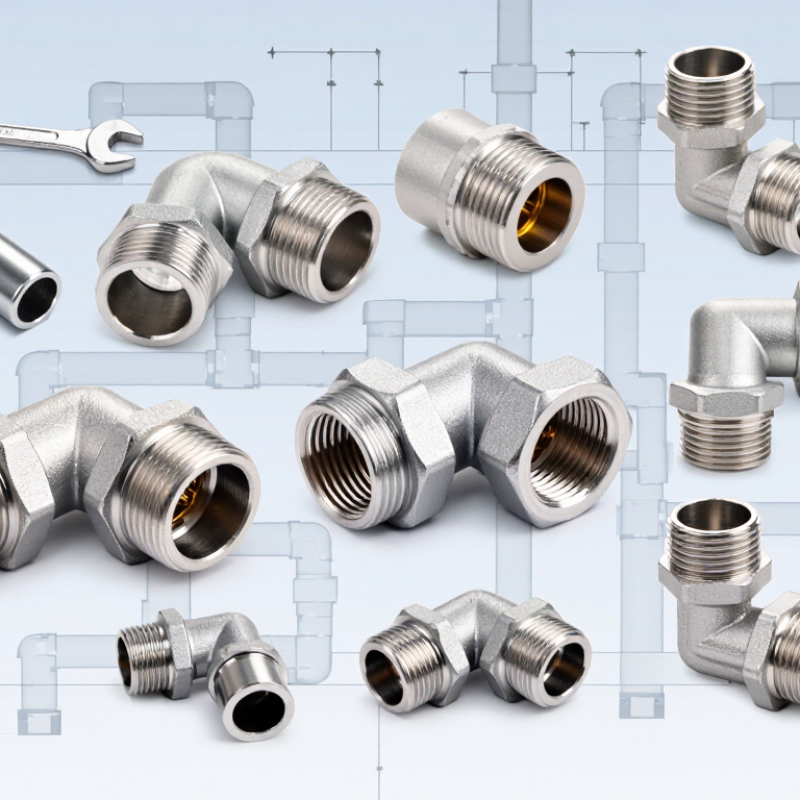
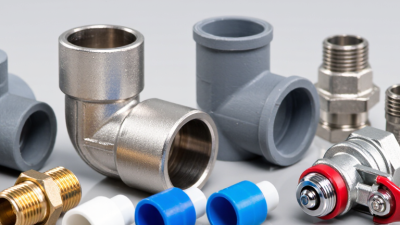
Aluminum pipe fittings are shaped connectors used to redirect, branch, reduce, or terminate a piping system. Common types include 45° and 90° elbows, equal tees, reducers, and caps. An elbow turns flow around a tank corner. A reducer connects a 3-inch line to a 2-inch line. Small details matter.
ASTM B361 focuses on factory-made wrought aluminum and aluminum-alloy welding fittings. Its scope covers fittings designed for butt-welding, including elbows, tees, reducers, and related configurations. The specification addresses alloy requirements, dimensions, mechanical properties, and manufacturing quality. Engineers still need to verify wall thickness, weld procedure, pressure rating, and service temperature separately. ASTM B361 is not a complete piping design code.
The material offers a practical weight advantage. The U.S. Department of Energy lists aluminum density at about 2.7 g/cm³, roughly one-third that of steel. This can simplify installation around elevated platforms or mobile equipment. The International Aluminium Institute reported approximately 70.6 million metric tonnes of primary aluminum production in 2023, showing the material’s broad industrial scale. Yet aluminum fittings are not automatically suitable for every fluid. Galvanic contact with copper or carbon steel may accelerate corrosion. I have also seen designers overlook thermal expansion near long pipe runs. That mistake deserves review. Proper isolation, compatible filler metal, and documented inspection remain essential.
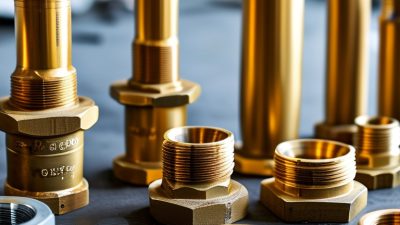
Elbows redirect flow, while a tee creates a branch connection. The angles shown are typical fitting geometries. ASTM B361 covers wrought aluminum and aluminum-alloy butt-welding pipe fittings; it does not describe every aluminum fitting or connection method.
Aluminum pipe fittings shape a line to suit the space around it. Elbows turn flow around a frame or wall; common angles include 45 and 90 degrees. Tees create a branch, such as a smaller line feeding a gauge or another circuit. Reducers connect pipes of different diameters, helping avoid an abrupt size mismatch. Small changes matter.
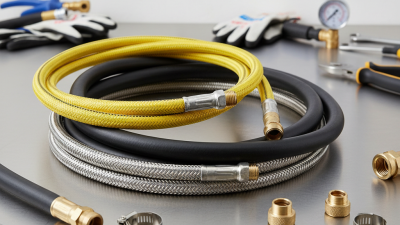
Couplings join two straight pipe ends, either as a fixed connection or, in some designs, a serviceable one. Flanges make larger joints easier to inspect or dismantle. A gasket sits between the facing surfaces, while bolts hold the joint together. Uneven tightening can distort the seal, so a crosswise tightening pattern is often used.
The right shape depends on layout, flow needs, and the fitting’s rated pressure. Check the actual dimensions and joining method; similar-looking parts may not fit together. Aluminum is light and resists corrosion in many settings, but contact with dissimilar metals can create problems in damp conditions. A tidy run is not always a reliable one. Inspect joints after assembly, and follow the fitting maker’s specifications.
Aluminum pipe fittings join straight pipe or tubing at bends, branches, and transitions. Their alloy matters because a fitting must carry loads, resist corrosion, and suit the joining method. 6061-T6 is heat-treated for strength and is common where a compact fitting faces mechanical stress. It machines cleanly, though welding can reduce strength near the joint. Details matter.
6063-T6 is also heat-treated, but it is valued for extrusion and a smooth surface. That makes it useful for shaped profiles and fittings where finish and corrosion resistance count. It generally offers less strength than 6061-T6, so swapping alloys without checking design data is a poor shortcut. Both alloys have a density near 2.70 g/cm³, making aluminum parts roughly one-third the weight of comparable steel parts. Light, but not weightless.
That density helps on frames, mobile equipment, and overhead pipe runs, where fittings add to supported mass. Yet density does not determine pressure capacity. Wall thickness, fitting geometry, thread quality, temperature, and installation all matter. A small threaded elbow may feel sturdy in the hand and still be unsuitable for a demanding line. Check the alloy temper and rated service conditions, not just the material name. Measurements and application details can be messy; an alloy comparison cannot replace engineering review.
| Data Dimension | 6061-T6 Aluminum | 6063-T6 Aluminum | Meaning and Typical Fitting Use |
|---|---|---|---|
| What is an aluminum pipe fitting? | A connector or directional component machined, cast, forged, or formed from aluminum alloy. | A lightweight connector commonly produced from an extrusion-friendly aluminum alloy. | Fittings join, redirect, branch, terminate, or transition aluminum pipe and tube systems. |
| Nominal density | Approximately 2.70 g/cm³ (2,700 kg/m³) | Approximately 2.69–2.70 g/cm³ (2,690–2,700 kg/m³) | About one-third the density of carbon steel, helping reduce handling weight. Exact density varies slightly with composition and product form. |
| Primary alloying elements | Magnesium and silicon, with smaller controlled additions of other elements. | Magnesium and silicon, generally optimized for extrusion and surface finish. | The alloy chemistry affects strength, corrosion resistance, machinability, and ease of fabrication. |
| T6 temper | Solution heat-treated and artificially aged. | Solution heat-treated and artificially aged. | T6 increases strength compared with the annealed condition, but may reduce formability. |
| Typical minimum yield strength | About 240 MPa for many wrought product forms | About 214 MPa for common extruded product forms | Yield strength is the approximate stress at which permanent deformation begins. Actual values depend on product form, thickness, and applicable specification. |
| Typical minimum tensile strength | About 260 MPa for many wrought product forms | About 241 MPa for common extruded product forms | Tensile strength is the approximate maximum stress measured in a standard tensile test before fracture. |
| Elastic modulus | Approximately 69 GPa | Approximately 69 GPa | Both alloys have similar stiffness; geometry, wall thickness, and support spacing strongly affect pipe deflection. |
| Thermal conductivity | Approximately 167 W/m·K at room temperature | Approximately 200 W/m·K at room temperature | Aluminum transfers heat efficiently; temperature control and thermal expansion should be considered in system design. |
| Corrosion behavior | Good general atmospheric corrosion resistance. | Good general atmospheric corrosion resistance, with a surface finish that is well suited to architectural applications. | A natural oxide film protects aluminum, but galvanic corrosion can occur when aluminum contacts dissimilar metals in an electrolyte. |
| Machinability and fabrication | Good machinability and suitable for many precision-machined fittings. | Excellent extrusion capability and good finishing characteristics. | 6061-T6 is often selected for machined or higher-strength parts; 6063-T6 is often selected for extruded shapes and smooth appearance. |
| Common fitting types | Elbows, tees, reducers, couplings, unions, adapters, flanges, and threaded fittings. | Elbows, tees, connectors, brackets, sleeves, and profile-based joining components. | The fitting type is chosen according to the required direction change, branch connection, diameter transition, or removable joint. |
| Connection methods | Threaded, bolted, clamped, flanged, brazed, or welded, subject to design requirements. | Threaded, bolted, clamped, or mechanically joined; welding may be used when the design and procedure are suitable. | Thread engagement, sealing method, joint strength, and compatibility with the conveyed medium must be checked. |
| Typical applications | Compressed-air lines, instrumentation, vehicle systems, structural tubing, marine components, and industrial piping. | Light-duty fluid or air routing, architectural tubing, display structures, frames, and extrusion-based assemblies. | Applications should be evaluated for pressure, temperature, vibration, corrosion exposure, and applicable piping codes. |
| Pressure-system consideration | Often preferred when higher mechanical strength is important. | Often preferred when extrusion efficiency, appearance, and moderate structural performance are important. | Working pressure must be calculated from outside diameter, wall thickness, temperature, joint efficiency, material condition, and the governing standard. |
| Key design cautions | Avoid assuming that nominal alloy strength alone determines allowable pressure or fatigue life. | Avoid using extrusion-friendly properties as a substitute for a verified pressure rating. | Check chemical compatibility, sealing materials, galvanic isolation, thermal expansion, fatigue, and regulatory requirements before installation. |
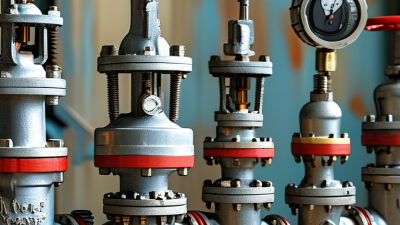
Aluminum pipe fittings join straight pipe sections and direct compressed air, water, or process gas. Common types include elbows, tees, reducers, couplers, and threaded adapters. A 90-degree elbow changes direction, while a tee divides flow between two branches. Reducers connect different pipe diameters and influence velocity and pressure loss. Valves add deliberate control.
Connection quality affects the entire industrial system. Fittings must match the pipe size, pressure rating, temperature range, and sealing method. A fitting can look tight and still leak. The U.S. Department of Energy reports that compressed-air leaks may waste 20–30% of compressor output. Even a small hiss near a coupling deserves investigation. Technicians usually check alignment, cut the pipe squarely, remove burrs, and tighten connections to the specified torque. Over-tightening can damage threads or deform seals.
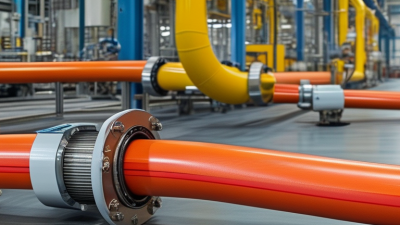
Flow control also depends on layout. Shorter runs and smoother bends reduce turbulence and unnecessary pressure drop. ASME B31.3 provides process-piping requirements for design, fabrication, examination, and testing, while ISO 4414 addresses pneumatic-system safety. These standards support disciplined installation, but they cannot replace site judgment. Dust, vibration, moisture, and thermal movement may change performance over time. One overlooked issue is maintenance access. A perfectly selected fitting becomes a practical failure when workers cannot inspect or replace it safely. The best design leaves room for testing, isolation, and honest reconsideration.
Aluminum pipe fittings connect straight runs, valves, and equipment, but selection starts with the service conditions. Check operating pressure and temperature together; a fitting’s rating can fall as temperature rises. ASME B31.3, the Process Piping Code, provides rules for pressure design and material suitability, but the applicable edition and project specifications matter. Do not treat a catalog pressure rating as universal. Verify the alloy, wall thickness, fitting geometry, and joining method against the actual system design.
Corrosion deserves equal attention. Aluminum forms a protective oxide, yet chloride-rich water, harsh chemicals, and contact with dissimilar metals can accelerate damage. The Aluminum Association’s Aluminum Design Manual reports a typical thermal expansion coefficient near 23.2 micrometers per meter per degree Celsius for aluminum alloys. That movement adds up across long, warm pipe runs. Leave room for expansion. Choose threaded, flanged, or welded joints based on access, vibration, maintenance, and temperature cycling. Welding can weaken heat-treated alloys near the joint, so check the design basis and qualified procedure. One overlooked support can shift loads onto a fitting. It happens. Inspect mating surfaces, use compatible sealing materials, and pressure-test the assembled line to the project’s specified procedure before service.