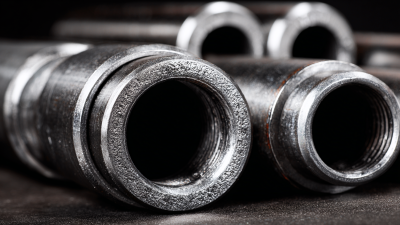
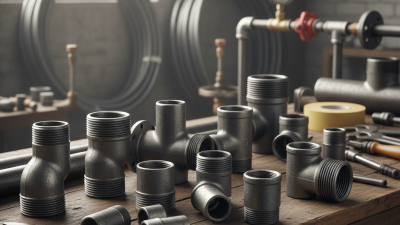
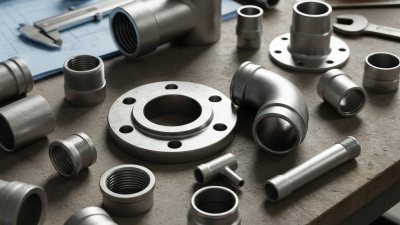
A pipe fitting is a small component with a major responsibility. It connects, redirects, reduces, supports, or closes a piping system. Elbows change direction. Tees divide flow. Couplings join straight sections. Reducers connect different diameters. Valves control movement, although they are often discussed separately from pipe fittings.
Piping engineer and author Mohinder L. Nayyar offers a useful principle: “Choose the fitting for the service, not merely the pipe size.” That advice matters in real installations. A stainless-steel elbow carrying hot water faces different demands from a plastic fitting handling compressed air. Pressure, temperature, corrosion, vibration, fluid compatibility, and joining method must all be considered.
The details are physical and easy to overlook. A poorly matched thread may leak beside a pump. An incorrect reducer can disturb flow. A sharp elbow may create unnecessary turbulence. Small mistakes become expensive when walls are closed or production stops.
This guide explains the main types of pipe fittings, their common materials, connection methods, and practical uses. It also considers threaded, socket-weld, butt-weld, press-fit, and flanged connections. Standards such as ASME, ASTM, ISO, and local plumbing codes provide essential direction, but field conditions still matter.
There is no universal “best” fitting. That assumption deserves caution. The right choice depends on the system, not appearance alone. Readers should verify specifications, pressure ratings, and applicable codes before installation. Experienced technicians know that drawings can miss awkward access, thermal movement, or maintenance space. A reliable fitting system is designed carefully, installed correctly, and inspected before service.
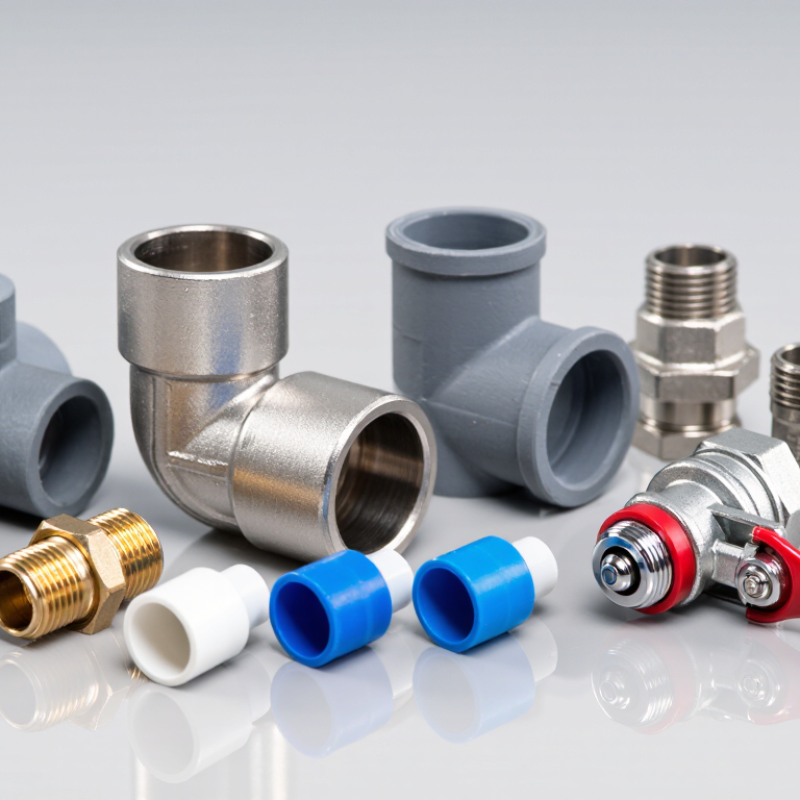
A pipe fitting is a component that connects, redirects, controls, or terminates piping. Its basic function is practical: it helps fluids move safely through a designed route. Fittings also support changes in pipe size, pressure, and direction. An elbow turns the line, while a tee creates a branch. A reducer joins different diameters. Couplings connect straight sections, and caps close unused ends. Flanges provide detachable connections for inspection and maintenance. Small parts matter.
The WHO/UNICEF Joint Monitoring Programme reported that 2.2 billion people lacked safely managed drinking water in 2022. Reliable connections are therefore more than a mechanical detail. They influence leakage, contamination risk, and maintenance time. In industrial systems, engineers select fittings by material, temperature, pressure rating, and fluid compatibility. ASME B16.9, for example, specifies dimensions and tolerances for factory-made butt-welding fittings. Standards reduce uncertainty, but they do not replace careful installation.
Field conditions can expose weak decisions quickly. A slightly misaligned elbow may increase stress at a weld. Poor thread engagement can create a slow leak behind insulation. I have seen specifications treated as complete answers, although installation quality still decides performance. That is an uncomfortable limitation. The U.S. EPA’s 2023 Drinking Water Infrastructure Needs Survey estimated $625 billion in drinking-water infrastructure needs over 20 years. Correct fitting selection, inspection, and documentation remain basic safeguards.
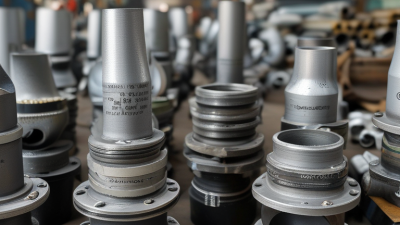
A pipe fitting connects, redirects, or controls sections of piping. Its material strongly affects service life, safety, and installation cost. Carbon steel remains common in industrial systems because it handles pressure and heat well. However, exposed moisture can cause rust, so protective coatings or careful drainage may be necessary. Stainless steel resists corrosion and suits clean water, food processing, and chemical environments. Chloride-rich fluids still require caution because pitting can develop unexpectedly. Copper fittings are valued in plumbing and HVAC work. They conduct heat efficiently and are relatively easy to join. Clean surfaces matter. Dirt can weaken soldered connections.
Ductile iron fittings provide strength for buried water networks and large diameters. Their exterior coating and soil conditions deserve close inspection. PVC and CPVC fittings are lightweight, corrosion-resistant, and practical for many water applications. CPVC tolerates higher temperatures than standard PVC, but neither material should face unsuitable heat or pressure. Alloy steel and specialized alloys serve demanding temperature or chemical conditions. They usually require stricter welding control and higher purchasing costs. Material selection should consider fluid chemistry, pressure, temperature, joining method, gasket compatibility, and local standards. A material chart helps, but it is never enough. I have seen a fitting appear correct while its seal material was wrong. The connection leaked later. Small details decide reliability.
A pipe fitting joins, redirects, controls, or terminates a piping system. Common types include elbows, tees, reducers, couplings, unions, caps, and valves. An elbow changes flow direction, often by 45 or 90 degrees. A tee divides one line into two branches. Reducers connect pipes with different diameters, while couplings repair or extend straight runs. Caps close unused ends and protect internal threads from dust or moisture.
Material selection depends on pressure, temperature, fluid chemistry, and installation conditions. Carbon steel fittings suit many industrial water and process systems. Stainless steel resists corrosion in hygienic or chemically aggressive environments. Plastic fittings can reduce weight and resist certain chemicals, but heat exposure may limit their service life. In the field, a small mismatch in thread type can cause leakage. It happens.
ASME B16.9 covers many factory-made butt-welding fittings, while ASME B16.11 addresses forged socket-welding and threaded fittings. These standards help engineers verify dimensions, pressure classes, and testing requirements. Grand View Research reported that the global pipe fittings market was valued at about USD 12 billion in 2023, with continued growth expected through 2030. Other industry reports give different figures because they define fittings and regional demand differently. That difference deserves attention. A fitting is not merely a connector; its geometry, joining method, and installation quality can influence flow loss, vibration, maintenance time, and system safety.
| Pipe Fitting Type | Primary Function | Typical Connection | Common Materials | Flow or Direction Effect | Typical Uses | Key Selection Considerations |
|---|---|---|---|---|---|---|
| Elbow | Changes the direction of a pipe run. | Threaded, socket-weld, butt-weld, press-fit, or grooved | Carbon steel, stainless steel, copper, brass, PVC, CPVC, and ductile iron | Usually changes flow by 45° or 90°; 180° return elbows are also available. | Water distribution Process piping Drainage systems | Angle, bend radius, pressure rating, material compatibility, and resistance to pressure loss |
| Tee | Creates a branch from a main pipe or combines flow from two lines. | Threaded, welded, soldered, solvent-cemented, press-fit, or grooved | Carbon steel, stainless steel, copper, brass, PVC, CPVC, and polyethylene | Divides flow into two paths or merges branch flow into the main line. | Branch connections Irrigation Heating systems | Equal or reducing outlet size, branch flow requirements, pressure rating, and installation method |
| Reducer | Connects pipes with different nominal diameters. | Concentric or eccentric; welded, threaded, solvent-cemented, or grooved | Carbon steel, stainless steel, copper, PVC, CPVC, and ductile iron | Increases or decreases pipe size and changes flow velocity and pressure loss. | Pump connections Water treatment Industrial piping | Required diameter change, orientation, flow direction, cavitation risk, and system pressure |
| Coupling | Joins two pipes in a straight line. | Threaded, socket, press-fit, compression, solvent-cemented, or grooved | Steel, stainless steel, copper, brass, PVC, CPVC, and polyethylene | Maintains the same pipe direction and normally the same internal diameter. | Pipe extensions Repairs General plumbing | Pipe material, joining method, service temperature, pressure rating, and available installation space |
| Union | Connects two pipes while allowing a joint to be disconnected without rotating the pipes. | Threaded, soldered, press-fit, or plastic union connection | Brass, stainless steel, steel, PVC, and CPVC | Provides a straight-through connection with a removable central nut or joining section. | Equipment connections Water heaters Maintenance points | Seal design, material compatibility, temperature, pressure rating, and frequency of disassembly |
| Cross | Connects four pipe sections at a single intersection. | Threaded, welded, solvent-cemented, press-fit, or grooved | Steel, stainless steel, brass, PVC, CPVC, and ductile iron | Splits or combines flow in four directions and may create more turbulence than a tee. | Manifolds Fire protection Specialized layouts | Flow balancing, pressure loss, branch sizes, structural support, and code requirements |
| Cap | Closes the end of a pipe. | Threaded, welded, soldered, solvent-cemented, press-fit, or grooved | Steel, stainless steel, copper, brass, PVC, CPVC, and polyethylene | Stops flow at a pipe termination and can provide a temporary or permanent closure. | Dead-end lines Pressure testing Future extensions | End condition, pressure rating, corrosion resistance, accessibility, and whether removal is required |
| Plug | Closes an opening or fitting outlet, generally from the inside or through a threaded port. | Usually male-threaded; socket or welded designs are also used | Brass, stainless steel, carbon steel, PVC, and CPVC | Stops flow through a branch, drain, or service opening. | Drain points Inspection openings Temporary closures | Thread standard, sealing method, pressure rating, corrosion resistance, and ease of removal |
| Adapter | Connects different pipe materials, connection standards, or fitting types. | Threaded-to-socket, threaded-to-flange, compression, press-fit, or transition coupling | Brass, stainless steel, steel, PVC, CPVC, and polyethylene | Usually preserves the flow path while changing the connection interface. | Metal-to-plastic transitions Equipment connections Retrofits | Material transition, galvanic corrosion risk, thermal expansion, connection standards, and sealing method |
| Flange | Creates a bolted connection for joining pipes, valves, pumps, and other equipment. | Bolted face-to-face connection with a gasket | Carbon steel, stainless steel, ductile iron, copper alloys, and plastic-lined materials | Provides a straight-through or directional connection depending on the attached fitting or equipment. | Industrial piping Pump systems Large-diameter pipelines | Flange facing, pressure class, bolt pattern, gasket type, alignment, and temperature range |
| Nipple | Provides a short pipe section for connecting two fittings or extending a threaded outlet. | Commonly male-threaded on one or both ends | Galvanized steel, stainless steel, brass, copper, and PVC | Maintains the pipe direction and transfers flow between connected components. | Valve connections Tank outlets Plumbing assemblies | Length, thread type, wall thickness, material compatibility, and pressure or temperature rating |
| Bushing | Reduces a threaded opening to accept a smaller threaded pipe or fitting. | Typically female-threaded outside and male-threaded inside | Brass, stainless steel, steel, PVC, and CPVC | Reduces the passage size and may increase local flow velocity and pressure loss. | Instrument connections Small branch outlets Plumbing transitions | Thread compatibility, flow restriction, pressure rating, material strength, and corrosion resistance |
| Wye | Creates an angled branch connection, commonly in drainage and wastewater piping. | Solvent-cemented, gasketed, push-fit, or welded | PVC, ABS, clay, cast iron, and ductile iron | Diverts flow at an angle, typically producing smoother drainage flow than a sharp 90° branch. | Drainage Sewer systems Wastewater piping | Pipe slope, branch angle, flow direction, pipe material, and applicable plumbing codes |
| Cleanout | Provides removable access to the inside of a drainage or waste pipe for inspection and clearing blockages. | Threaded plug, screw cap, or removable access cover | PVC, ABS, cast iron, stainless steel, and brass | Normally does not redirect flow; it provides access at a strategic point in the system. | Drain maintenance Sewer lines Waste piping | Accessibility, watertight sealing, pipe size, cleaning equipment clearance, and code requirements |
Note: The appropriate pipe fitting depends on pipe material, nominal size, connection method, operating pressure, temperature, fluid compatibility, installation conditions, and applicable local codes.
Pipe fittings connect, redirect, reduce, or divide piping systems. An elbow changes flow direction, while a tee creates a branch line. Reducers join pipes with different diameters, and unions allow easier maintenance. Flanges provide bolted connections for larger equipment. Valves are not always classified as fittings, but they control pressure, flow, and isolation.
Connection quality depends on more than thread size. Material compatibility, pressure rating, temperature, and sealing method all matter. ASME B16.9 covers factory-made wrought butt-welding fittings, while ASME B16.5 addresses pipe flanges and flanged fittings. These standards help engineers select dimensions and pressure classes safely. In field inspections, poor alignment often creates stress near elbows and joints. The drawing may look perfect. The installation may not.
Fittings also influence operating efficiency. The U.S. Department of Energy reports that compressed-air leaks can waste 20–30% of compressor output in poorly maintained systems. A loose connector or damaged seal can become a constant loss point. Selecting fewer unnecessary bends can reduce turbulence and pressure drop. However, the shortest route is not always the best route. Access for inspection matters too. A compact system can become difficult to repair, and that weakness is easy to overlook. Regular leak testing, torque checks, and visual inspections support more reliable piping performance.
What Is a Pipe Fitting and What Are the Types?
Key Factors for Selecting the Right Pipe Fitting
A pipe fitting joins, redirects, reduces, or controls a piping system. Common types include elbows, tees, reducers, couplings, unions, and flanges. Selection should begin with the service fluid, not the fitting shape. Water, steam, chemicals, and compressed gas create different risks. Check pressure and temperature together. A fitting rated for pressure at room temperature may perform differently when heated.
Material compatibility is critical. The IMPACT study estimated global corrosion costs at about $2.5 trillion annually, equal to nearly 3.4% of global economic output. That figure makes corrosion prevention more than a maintenance preference. Stainless steel, carbon steel, copper, plastics, and alloys each suit different environments. Consider chloride exposure, acidity, oxygen content, and galvanic contact. A small material mismatch can cause a large failure.
Connection method also affects reliability. Threaded fittings suit many smaller lines, while welded or flanged joints may support demanding industrial service. Confirm dimensions, wall thickness, flow direction, and applicable standards, such as ASME B16.5 or ASME B16.9. Internal geometry matters too. The U.S. Department of Energy’s Pump Life Cycle Costs guide notes that energy can represent 40% or more of pumping-system life-cycle cost. Poorly selected fittings increase turbulence and pressure loss. That shortcut fails. I would not select from a catalog image alone. Field temperature, installation space, maintenance access, and future inspection needs deserve equal attention.
Pipe fittings connect, redirect, control, or terminate piping systems. Common types include elbows, tees, reducers, couplings, unions, and caps. The chart shows standard outside diameters for selected nominal pipe sizes based on ASME B36.10M dimensions. When selecting a fitting, match the nominal size first, then verify the fitting type, connection method, material compatibility, pressure rating, temperature range, and applicable standard.
Reference basis: Standard steel pipe outside diameters; actual fitting dimensions may vary by fitting standard and design.