Top Quality Pipe Fittings from China What Buyers Need to Know?
When it comes to sourcing pipe fittings, quality is paramount. China's manufacturing industry offers a vast array of pipe fittings, catering to diverse needs. However, buyers must navigate complexities to ensure they select the right products.
Understanding specifications is crucial. Different applications require unique fittings, including materials and sizes. Buyers often face challenges in assessing quality. They must carefully evaluate suppliers to find reliable partners. Not all manufacturers have the same standards or practices.
Furthermore, misleading certifications can complicate decisions. Some suppliers may claim quality they cannot deliver. It is essential to conduct thorough research and seek verified sources. Engaging with experienced professionals can significantly enhance decision-making. In this context, being informed will lead to better purchases and long-term satisfaction.
Understanding Pipe Fittings: Types and Applications
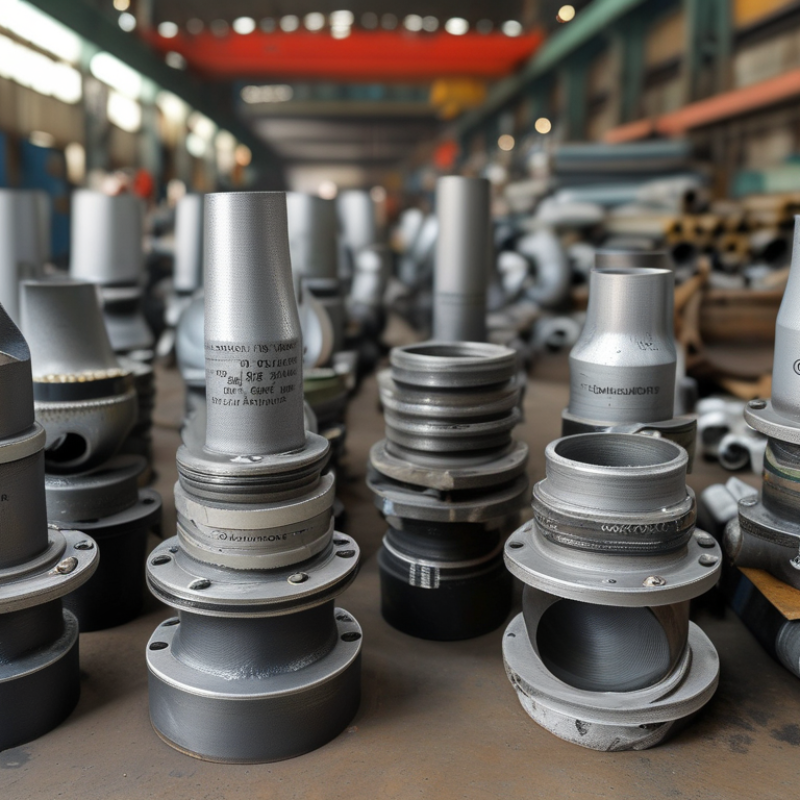
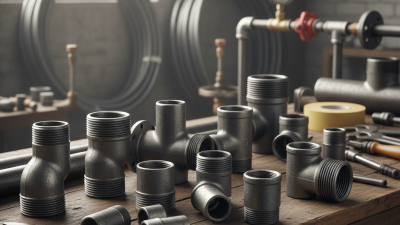
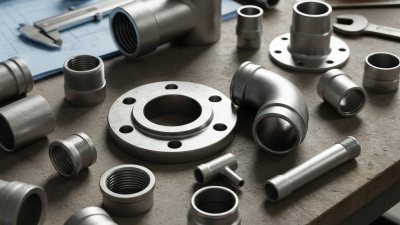
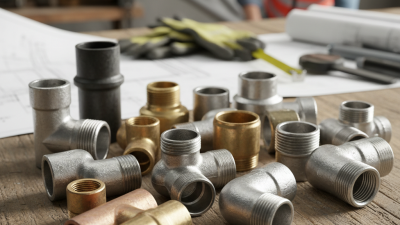
Pipe fittings play a crucial role in various plumbing and construction applications. They are designed to connect, control, or change the direction of piping systems. There are many types of pipe fittings available, including elbows, tees, reducers, and cross fittings. Each type serves a specific function, impacting the overall efficiency of a system.
For instance, according to industry reports, the global market for pipe fittings is projected to reach $112 billion by 2025, reflecting a compound annual growth rate of 5%. This growth is primarily driven by increasing infrastructure development and urbanization. In particular, the demand for durable and corrosion-resistant materials is rising. Many buyers are opting for stainless steel and PVC fittings due to their longevity and lower maintenance needs.
Still, it's important to assess the suitability of pipe fittings for various applications. Not all materials are compatible with every medium. Mismatched fittings can lead to leaks and system failures. Industry experts emphasize that assessments should consider pressure ratings and temperature tolerances. Buyers should engage with suppliers who adhere to international quality standards and provide reliable product certifications. This ensures that the fittings will perform as expected in demanding environments.
Key Manufacturing Standards in the Chinese Pipe Fitting Industry
The Chinese pipe fitting industry adheres to several key manufacturing standards to ensure quality and reliability. The two most widely recognized standards are the American Society for Testing and Materials (ASTM) and the International Organization for Standardization (ISO). These standards demand rigorous testing and quality assurance protocols. According to the China National Standard (GB), pipe fittings must withstand pressure and temperature variations. Products meeting these standards often demonstrate a lower failure rate in challenging environments.
Buyers looking for quality pipe fittings should pay attention to certifications. Certified manufacturers typically follow strict production guidelines. Reports indicate that around 60% of non-compliant pipe fittings fail to meet basic performance requirements. Ensuring that suppliers provide necessary documentation helps mitigate risks. That said, not all manufacturers maintain compliance consistently. Conducting regular audits can uncover potential lapses in quality control.
Understanding the importance of raw materials is crucial. The choice between stainless steel, carbon steel, and other materials affects durability and performance. Market data shows that 70% of pipe fitting failures result from the use of inferior quality materials. Buyers should prioritize suppliers who are transparent about their material sourcing. Regularly reviewing and assessing supplier performance is advisable. This proactive approach will lead to better decision-making in procurement.
Evaluating the Quality of Pipe Fittings from China
When evaluating pipe fittings from China, it's essential to assess several key aspects. Quality control is paramount. Buyers should look for manufacturers that implement strict testing procedures. This includes inspections during production and testing for durability, pressure sustainability, and material composition. Requesting certification documents can also validate compliance with international standards.
The selection of materials used in pipe fittings plays a crucial role in their overall quality. Common materials include stainless steel, copper, and PVC. Understanding the advantages and limitations of each material can aid in making informed decisions. Buyers may discover that some manufacturers do not disclose full material specifications, raising concerns about transparency and reliability.
Pricing can also be deceptive. Low prices may suggest lower quality, but not always. Some manufacturers optimize production costs without compromising quality. It’s important to analyze whether the price reflects the quality of the product. Engaging with suppliers and asking tough questions can reveal valuable insights into their production processes and quality assurance practices. Buyers should be willing to invest time in research to ensure they select fittings that meet their needs.
Guidelines for Selecting Reliable Suppliers in China
When selecting pipe fittings from China, it’s crucial to choose reliable suppliers. The global market for pipe fittings is projected to reach $85 billion by 2025, reflecting the high demand for quality products. A reliable supplier will provide consistent quality and adherence to international standards. Look for suppliers with certifications such as ISO 9001, which indicates quality management practices.
Assessing a supplier's experience is essential. A study showed that 70% of successful buyers prioritize suppliers with over five years of industry experience. These established suppliers are more likely to offer a robust selection of fittings that meet various engineering specifications. Additionally, request samples to verify product quality before committing to large orders.
Transparency is another critical aspect. Trustworthy suppliers should be open about their manufacturing processes and supply chain logistics. Regular communication can help identify potential issues early. Keep in mind that not all suppliers will meet your expectations. Some may promise high quality but fail to deliver, highlighting the need for thorough due diligence and portfolio reviews.
Navigating Import Regulations and Compliance for Pipe Fittings
When importing pipe fittings from China, understanding regulations is crucial. Compliance with local standards can seem daunting. In 2021, over 70% of manufacturers faced compliance issues, costing them significantly. Therefore, it’s vital for buyers to stay informed about import regulations.
Key regulatory bodies, such as ASTM and ISO, set standards for quality and safety. Many fittings must pass specific tests before entering your country. This includes pressure testing and material certifications. Failure to comply can lead to increased tariffs and delays. According to a recent market study, improper compliance can raise costs by as much as 25%. Thus, buyers should verify that suppliers have the necessary certifications.
Awareness of documentation is essential as well. Importers need to handle customs declarations and certificates of origin correctly. Upsetting this balance can lead to unexpected challenges. Recent data indicates that about 30% of shipments face customs inquiries, which can disrupt supply chains. Understanding these aspects helps mitigate risks associated with importing from China. This preparation aids in making informed decisions, ultimately improving the procurement process.
Top Quality Pipe Fittings from China: What Buyers Need to Know?
| Dimension |
Material |
Standard |
Application |
Compliance Certification |
| 1/2 inch |
Stainless Steel |
ANSI B16.9 |
Hydraulic Systems |
ISO 9001 |
| 3/4 inch |
Carbon Steel |
ASTM A234 |
Oil & Gas |
CE Marking |
| 1 inch |
PVC |
ASTM D2466 |
Water Supply |
NSF Certification |
| 2 inch |
Brass |
ASTM B16.22 |
Plumbing |
RoHS Compliance |
| 3 inch |
Cast Iron |
AASHTO M 306 |
Sewage Systems |
ISO 14001 |