How to Choose the Right Relief Valve for Your Needs?
In industrial applications, the choice of a relief valve is crucial. These valves play a vital role in protecting equipment and ensuring safety. According to a report from the Fluid Control Institute, improper selection of relief valves can lead to 30% of equipment failures, resulting in significant downtime and financial loss.
When evaluating options, it’s important to consider specific factors such as pressure ratings, size, and material compatibility. The American Society of Mechanical Engineers (ASME) recommends regular audits of relief valves to ensure compliance and efficiency. Many facilities, however, overlook this step. Neglecting maintenance can compromise system integrity.
In addition, the variety of relief valves on the market can be overwhelming. Users must assess their unique requirements carefully. While common choices include spring-loaded and load-sensed relief valves, each has distinct pros and cons. A customized approach often leads to better outcomes, but it requires expertise and knowledge. Understanding these nuances is essential for making informed decisions.
Understanding the Purpose of Relief Valves in Industrial Applications
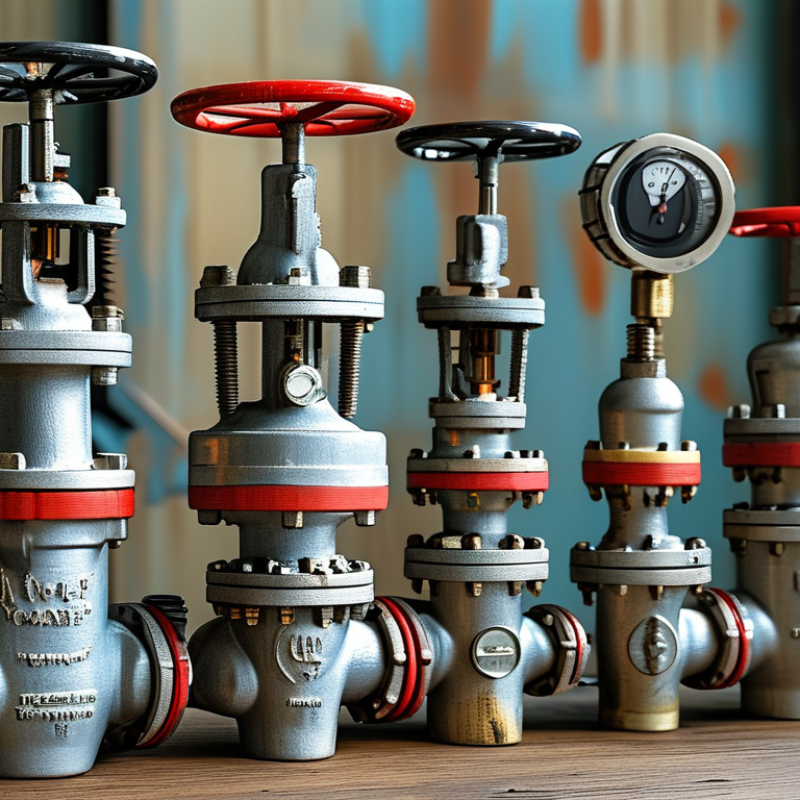
Relief valves play a crucial role in industrial applications. They are designed to prevent pressure buildup that could lead to equipment failure. Understanding their purpose is essential for maintaining safety and efficiency. A relief valve automatically opens to release excess pressure, minimizing the risk of explosions and damage. Proper selection of these valves is vital; the wrong type can lead to catastrophic failures.
In various industries, relief valves come in different styles. Spring-loaded valves and pilot-operated valves each serve specific functions. Spring-loaded valves are typically fast and reliable. Pilot-operated valves, on the other hand, are more complex but offer greater control and precision. Knowing which type suits your system can be challenging. An operator may overlook certain specifications or assume one size fits all. Each application has unique needs that must be carefully evaluated.
Selecting a relief valve involves more than just knowing the pressure range. Factors like flow rate, temperature, and medium must be considered. It's easy to default to what is commonly used in the industry. However, decisions made without thorough analysis can lead to issues. Regular maintenance and testing are necessary, as wear and tear can impact valve performance. Being proactive can help avoid downtime and increase overall reliability.
How to Choose the Right Relief Valve for Your Needs?
| Type of Relief Valve |
Application |
Set Pressure (psi) |
Flow Capacity (CV) |
Material of Construction |
| Spring Loaded |
Steam Boiler |
150 |
3.5 |
Steel |
| Pilot Operated |
Water System |
300 |
10.0 |
Brass |
| Vacuum Relief |
Chemical Storage |
-5 |
2.0 |
Polypropylene |
| Relief Valve with Blow Off |
Oil and Gas |
2500 |
25.0 |
Stainless Steel |
| Safety Relief Valve |
Pressure Vessels |
400 |
5.0 |
Carbon Steel |
Types of Relief Valves and Their Specific Uses in Different Systems
When selecting a relief valve, understanding the different types is crucial. Pressure relief valves (PRVs) are commonly used in various systems. They open to release excess pressure, protecting equipment from damage. These valves are essential in steam, gas, and hydraulic applications. Each environment has unique characteristics that influence valve performance.
Another type is the thermal relief valve (TRV). TRVs are invaluable in scenarios where fluid temperature can rise rapidly. They release fluid to prevent overheating. In storage tanks and pipelines, these valves help maintain safety. However, proper sizing and installation are vital for effectiveness. A poorly chosen valve could lead to system failures.
Lastly, vacuum relief valves (VRVs) ensure that vacuum conditions do not create dangerous situations. They allow air to enter systems when needed. These are crucial in storage tanks and chemical processing industries. Each relief valve type has specific use cases. Consideration of system parameters like temperature, pressure, and fluid characteristics helps ensure reliability. A thoughtful approach is needed to avoid pitfalls in valve selection. Properly applied relief valves enhance safety and operational efficiency in various applications.
Factors to Consider When Selecting a Relief Valve for Your System
Choosing the right relief valve involves understanding several critical factors. One crucial aspect is pressure rating. The valve must handle the system's maximum pressure without failing. Knowing the working conditions helps here.
Another factor is the medium type. Different fluids or gases can affect valve materials and design. Compatibility is key in avoiding corrosion or other issues.
Flow capacity is also important. A valve should allow adequate flow to prevent overpressure situations. Calculating the expected flow rate can guide you in making an appropriate choice. Often, underestimating flow needs can lead to system failure.
It’s worth considering installation space as well. Some systems allow only specific valve sizes or orientations, impacting your options.
Feedback from existing users can provide valuable insights. However, relying solely on experiences can be problematic. Each application is unique. It's essential to assess your system's specific requirements critically. Small oversights can lead to costly repairs or operational downtime.
Balancing all these factors requires careful consideration and, at times, a bit of trial and error.
Sizing and Capacity Calculations for Effective Relief Valve Selection
Selecting the right relief valve requires careful consideration of sizing and capacity. The relief valve must handle the system's maximum flow under pressure without fail. Start by calculating the maximum anticipated flow rates. This step is vital to ensure the valve opens when needed. Consider factors like fluid type, temperature, and pressure. Each factor influences the valve's performance.
Another crucial aspect is determining the allowable back pressure. Too much back pressure can prevent proper valve function. It's essential to maintain a balance in your calculations. Check the manufacturer's specifications regularly. This ensures your selected valve meets the current operational requirements.
Also, think about the installation environment. Corrosive substances may require a different valve material. This choice impacts longevity and reliability. Understand your system's dynamics; the relationship between pressure and flow is complex. Regularly revisiting calculations can reveal oversight in valve selection. Adjustment may be necessary as system conditions change over time.
Maintenance and Testing Tips for Ensuring Relief Valve Performance
Regular maintenance is essential for the reliable performance of relief valves. A thorough inspection should be conducted at least once a year. Look for signs of corrosion or wear. Regularly check the valve for leaks. If your relief valve is old, it might not function properly. If it sticks or fails to open, it can compromise your entire system.
Routine functional testing is another critical aspect. Ensure the valve opens at the set pressure. Use calibration tools for accuracy and document the results. This record can help track performance over time. If any discrepancies appear, take immediate action. A malfunctioning valve can lead to significant safety and financial risks.
Pay attention to installation guidelines. Proper placement can affect the valve's efficiency. Ensure it is not subject to vibration or extreme temperatures. Positioning can often be overlooked, yet it is crucial for optimal operation. Remember, a well-maintained relief valve is vital for system integrity. Prioritizing these efforts can save you from larger issues down the line.