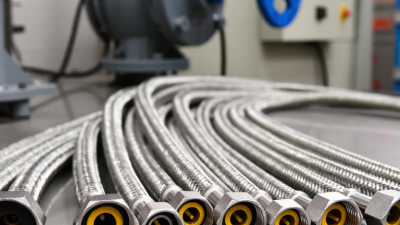
A stainless steel hose is more than a flexible pipe. It is a pressure-rated assembly designed to carry fluids or gases while absorbing vibration, movement, and thermal expansion. You may find one connecting a pump to a fixed line, feeding hot process water, or routing compressed air around machinery. That short, corrugated section can prevent rigid piping from transmitting vibration into nearby equipment. Details matter.
ISO 10380:2012 sets requirements for corrugated metal hose and hose assemblies, including design, manufacture, and testing. It is a useful technical reference, but it does not make every hose suitable for every service. Temperature, pressure, media compatibility, bend radius, and end fittings must all match the actual operating conditions. A market report is useful for understanding industrial demand, but it cannot replace a manufacturer’s specifications or application review.
As materials scientist Michael F. Ashby’s selection approach suggests, engineering choices depend on matching material properties to service conditions. In hose selection, that means checking the whole assembly—not just the stainless-steel braid or corrugated tube. One overlooked fitting can become the weak point. This guide explains what a stainless steel hose is used for, where it performs well, and what to verify before installation. A flexible connection is not a cure-all. It can also fail early when incorrectly sized, sharply bent, or exposed to incompatible media.
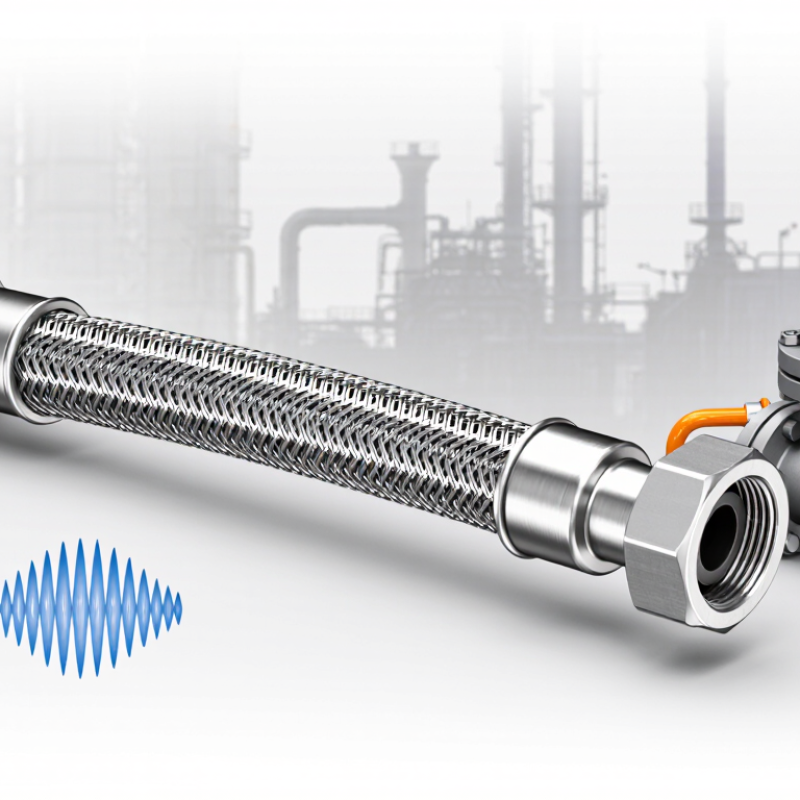
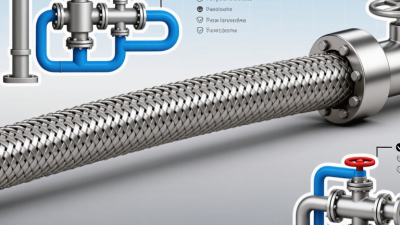
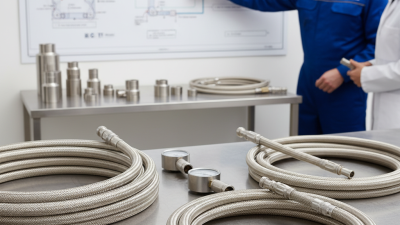
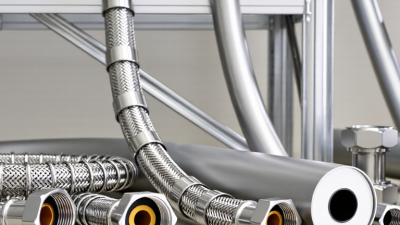
A stainless steel hose is a flexible metal assembly, commonly made with a corrugated stainless steel inner tube and an outer wire braid. The corrugations let it bend and absorb vibration; the braid helps restrain pressure. End fittings connect it to pipes, pumps, or equipment. Construction varies, so “stainless steel” alone does not define its pressure or temperature limits. Not one-size-fits-all.
These hoses carry fluids or gases in equipment where rigid pipe would transmit vibration or be difficult to align. Typical settings include factories, heating systems, and process equipment. The Stainless Steel in Figures 2024 report from the International Stainless Steel Forum records 58.4 million tonnes of global stainless steel production in 2023. That indicates broad material use, but it does not measure hose production or prove suitability for a particular service. Grade, lining, braid, fittings, and operating conditions still matter.
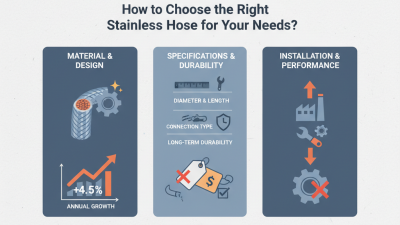
Tip: Check the hose assembly’s stated pressure and temperature ratings, plus fluid compatibility. Avoid twisting it during installation; a tight bend near a fitting can damage the assembly. Inspection matters, too. Look for broken braid, corrosion, or leakage, and follow the supplier’s maintenance guidance.
| Application | Typical Use | How the Hose Helps | Important Considerations |
|---|---|---|---|
| Industrial fluid and gas transfer | Connecting equipment and pipework that carry compatible liquids or gases. | Provides a flexible connection where a rigid pipe would be difficult to install or maintain. | Confirm that the hose material, fittings, pressure rating, and temperature rating suit the specific medium and operating conditions. |
| Vibration isolation | Connections near pumps, compressors, engines, and other vibrating equipment. | Helps reduce the transmission of equipment movement and vibration into connected piping. | Use the correct hose length and routing; the hose should not be twisted, stretched, or bent below its minimum bend radius. |
| Thermal expansion and movement | Piping systems that experience temperature-related expansion, contraction, or limited movement. | Accommodates some movement between connected sections of a system. | Hose assemblies are not a substitute for properly designed expansion joints or supports where larger movement must be managed. |
| High-temperature service | Selected hot-fluid, gas, and process connections in industrial systems. | Stainless steel construction can be suitable for elevated temperatures when the complete assembly is properly specified. | Temperature capability depends on the alloy, braid, fittings, pressure, and medium; verify the assembly rating before use. |
| Exhaust connections | Flexible sections in some engine, generator, and industrial exhaust systems. | Helps accommodate engine movement and reduce stress on rigid exhaust piping. | Choose a hose designed for exhaust service and account for exhaust temperature, pressure, vibration, and installation conditions. |
| Food and beverage processing | Transfer connections in systems that require cleanable, corrosion-resistant components. | Stainless steel hose assemblies can be used for process transfer when designed for the required hygiene conditions. | Verify material compatibility, internal finish, fitting design, cleaning method, and applicable sanitary requirements. |
| Chemical processing | Transfer of selected chemicals between process equipment and pipelines. | Can provide a flexible connection in applications where the chosen stainless steel alloy is compatible with the chemical. | Stainless steel is not resistant to every chemical. Check corrosion compatibility, concentration, temperature, and exposure time. |
| Marine and outdoor installations | Selected utility and process connections exposed to outdoor or marine environments. | Offers a flexible metal connection that may be suitable when the alloy and fittings match the environment. | Saltwater and marine atmospheres can cause corrosion; select an appropriate alloy and inspect the assembly regularly. |
General note: A stainless steel hose is commonly made with a corrugated metal tube and may include a stainless steel braid for added strength. Performance depends on the complete hose assembly, including its alloy, construction, fittings, pressure, temperature, and installation. Always check the manufacturer’s technical specifications for the intended service.