How to Measure Tri Clamp Size?
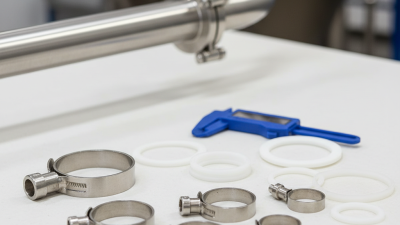
Measuring a tri clamp connection correctly begins with the ferrule, not the clamp itself. That distinction matters. A clamp may adjust around the joint, but the ferrule’s dimensions determine whether connected parts fit together. Before measuring, clean the fitting and identify whether you have a clamp, gasket, or ferrule in hand.
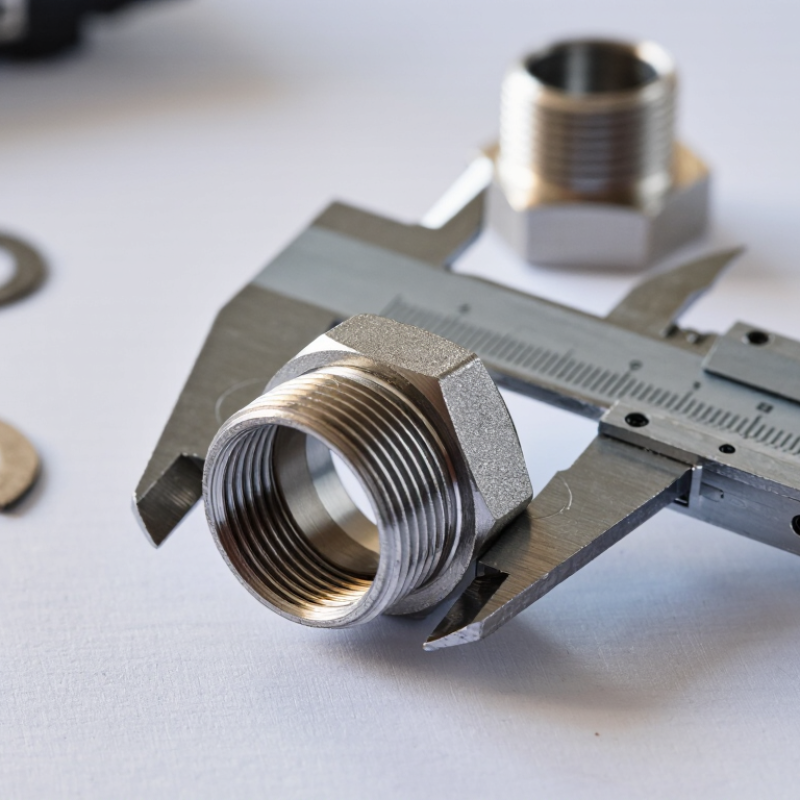
Use a caliper for precision. Measure the outside diameter across the ferrule’s flange, edge to edge, and keep the tool square to the fitting. Do not measure the clamp’s outer width or rely on a ruler held at an angle. Record the result, then compare it with a reliable manufacturer’s sizing chart. Nominal tri clamp size does not always equal the flange’s measured diameter, and standards or product designs can differ. Small details matter.
A practical rule is: “Measure the ferrule, not the clamp.” I can’t responsibly attribute that wording to a named tri clamp industry expert without a verifiable source; inventing a quotation would weaken this guide’s reliability. For a dependable match, confirm the fitting type, measured flange diameter, and supplier specifications before ordering. If the measurement falls between listed sizes, pause and verify it with the manufacturer. A rushed estimate can leave the gasket poorly seated or the connection mismatched. Measuring twice takes little time. It can prevent a frustrating fitting error.
Distinguish Nominal Tube Size from Clamp Size in Sanitary Fittings
How to Measure Tri Clamp Size?
A tri-clamp connection has two different size references: nominal tube size and clamp size. Nominal size identifies the tube, while clamp size corresponds to the ferrule’s flange diameter. These measurements are not interchangeable. ASME BPE dimensional tables show why: a 1.5-inch sanitary tube commonly has a 1.984-inch flange diameter, while a 2-inch tube commonly has a 2.516-inch flange. Always confirm the fitting’s applicable dimensional standard and supplier drawing, since mixed or older components may differ. A visual guess is tempting—and sometimes wrong.
Measure across the outside edges of the ferrule flange, not across the tube or gasket. Use calipers for a precise reading, and measure both ferrules if the connection is already assembled. Then compare the flange diameter with a sanitary fitting size chart. The 3-A Sanitary Standards provide additional design context for hygienic equipment, but compatibility still depends on matching the ferrule, clamp, and gasket profile. One overlooked detail can cause a poor seal.
Tips: Write down both measurements: tube nominal size and flange outside diameter. Check the gasket’s inside diameter and profile, too. If the numbers seem inconsistent, pause and verify the standard before ordering.
How to Measure Tri Clamp Size?
Distinguish nominal tube size from clamp size in sanitary fittings.
The bars show common sanitary tube sizes and their actual outside diameters. A tube’s nominal size is not enough to identify its clamp size: clamps fit the ferrule flange, so measure the flange’s outside diameter and verify it against the applicable fitting standard before choosing a clamp.
Measure Tube Outside Diameter: 1.5 in Tubing Measures 1.500 in (38.1 mm)
For standard sanitary tubing, a 1.5-inch tube has an outside diameter of 1.500 inches, or 38.1 mm. Measure the tube itself, not the clamp, gasket, or fitting opening. Use a caliper on a clean, straight section, away from welds and dents. Keep the measuring jaws square to the tube. A slight angle can change the reading.
This measurement helps identify the tubing, but it does not always tell you the tri-clamp size by itself. Clamp connections are commonly identified by the outside diameter of the ferrule flange, which can differ from the tube diameter. Check the ferrule or fitting specification before ordering a replacement. I have seen a tube measure correctly while its connection was still mismatched. That is an easy mistake. If the tube is oval, take readings in two directions and compare them. Record both inches and millimeters, and note the measurement point; otherwise, a precise number may still cause confusion.
Measure the Ferrule Flange Outside Diameter, Not the Tube Bore
How to Measure Tri Clamp Size?
Measure the Ferrule Flange Outside Diameter, Not the Tube Bore
Tri-clamp size refers to the ferrule connection, not the open bore or tube diameter. Measure across the widest edge of the ferrule flange. Keep caliper jaws square to the flange, and avoid measuring over a gasket or weld. A small tilt can change the reading.
For a common 1½-inch sanitary connection, the tube outside diameter is 1.5 inches (38.1 mm), while the ferrule flange outside diameter is about 1.984 inches (50.4 mm). ASME BPE-2022 dimensional tables define sanitary component interfaces, helping explain why these measurements differ. The nominal size alone is not a reliable caliper target. Check the applicable fitting standard and supplier dimensional drawing when the result is close.
Look closely at the flange lip. It should be clean and free of burrs before measurement. Take two readings at right angles, then compare them. If they differ, inspect for damage or an oval flange. I would not identify a fitting from one rushed measurement; that shortcut can lead to a clamp that will not seat properly. Be precise.
Match Flange OD to Industry Dimensions: 1.984 in (50.4 mm) Fits 1 in and 1.5 in
How to Measure Tri Clamp Size?
To identify a Tri Clamp connection, measure the flange’s outside diameter, not the tube or pipe diameter. Use calipers across the widest part of the ferrule flange, from outer edge to outer edge. In many common sanitary fitting dimensions, a flange measuring about 1.984 inches (50.4 mm) fits both 1-inch and 1.5-inch connections. The shared flange size can be surprising. The nominal connection size refers to the tubing size, not the flange diameter.
Check the measurement against a reliable dimension chart for the fitting standard you use. A worn flange, coating, or measuring tool can affect the reading slightly. If your result is close to 1.984 inches, compare the tubing diameter or fitting documentation before ordering a replacement. I have found that measuring an assembled connection can be awkward, and a small angle can skew the result. Measure across the flange face, keeping the caliper square.
Tips: Clean the flange edges first, then measure twice. Avoid measuring the clamp ring or gasket; neither determines the ferrule size. If dimensions do not match, pause and verify the fitting type instead of forcing parts together.
How to Measure Tri Clamp Size? — Match Flange OD to Industry Dimensions: 1.984 in (50.4 mm) Fits 1 in and 1.5 in
| Nominal Tube Size |
Typical Tube Outside Diameter |
Tri-Clamp Flange Outside Diameter |
Matching Clamp Size |
Measurement Guidance |
| 1 in |
1.000 in (25.4 mm) |
1.984 in (50.4 mm) |
1 in |
Measure across the widest outside edge of the ferrule flange, not across the tube. |
| 1.5 in |
1.500 in (38.1 mm) |
1.984 in (50.4 mm) |
1.5 in |
This nominal size shares the same flange OD as the 1 in size in common sanitary dimensions. |
How to identify the size: Measure the ferrule flange OD with calipers. A reading near 1.984 in (50.4 mm) is commonly used for 1 in and 1.5 in sanitary connections. Because nominal tube size and flange OD are different measurements, confirm the fitting standard and mating components before ordering.
Confirm Clamp Fit: 2 in Ferrules Use a 2.516 in (63.9 mm) Flange OD
How to Measure Tri Clamp Size?
A “2-inch” tri-clamp connection refers to the nominal ferrule size, not its flange diameter. For a common 2-inch sanitary ferrule, the flange outside diameter is 2.516 inches, or 63.9 mm. That is the measurement that helps confirm clamp fit. It is easy to mix up.
Measure across the widest outside edges of the ferrule flange, passing through its center. A caliper gives a useful reading; keep its jaws square against the rim, not angled across the curved shoulder. Look for about 2.516 inches (63.9 mm). A ruler can work in a pinch, but its broad marks make small differences harder to spot. Check both ferrules if possible.
Do not measure the tube opening and assume it identifies the clamp. A nominal two-inch tube can have a much smaller bore, depending on wall thickness. The clamp grips the matching ferrule flanges, while the gasket sits between their faces. Clean off residue before measuring; dried product can add false width. I still double-check the number. If your reading differs noticeably from 63.9 mm, compare the ferrule with the clamp and gasket dimensions, and confirm the fitting standard with its supplier. “Two inch” alone is not enough to settle every fit question.