Best Butterfly Valve Selection Tips for Importers Worldwide?
When selecting butterfly valves, importers face critical decisions impacting performance and safety. The global butterfly valve market was valued at approximately USD 4.3 billion in 2022, with expectations of growth driven by industrial and infrastructural advancements. This demand emphasizes the necessity for importers to choose the right products tailored to specific applications.
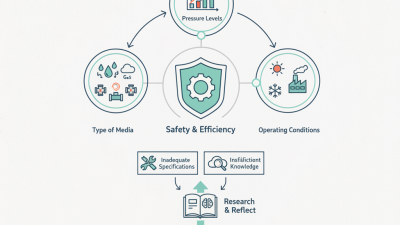
Butterfly valves play a central role in controlling flow and pressure within pipelines. Their compact design and low maintenance requirements make them appealing, but one must also consider factors like material compatibility and pressure ratings. Reports indicate that up to 30% of valve failures stem from improper selection, highlighting the crucial need for informed decision-making.
Understanding industry standards and certifications is essential. Importers should align their choices with ISO and API standards. This not only enhances reliability but also guarantees compliance with international best practices. However, focusing solely on price is a pitfall; quality and supplier reputation are equally vital. Recognizing these complexities can help in making well-informed selections in the butterfly valve market.
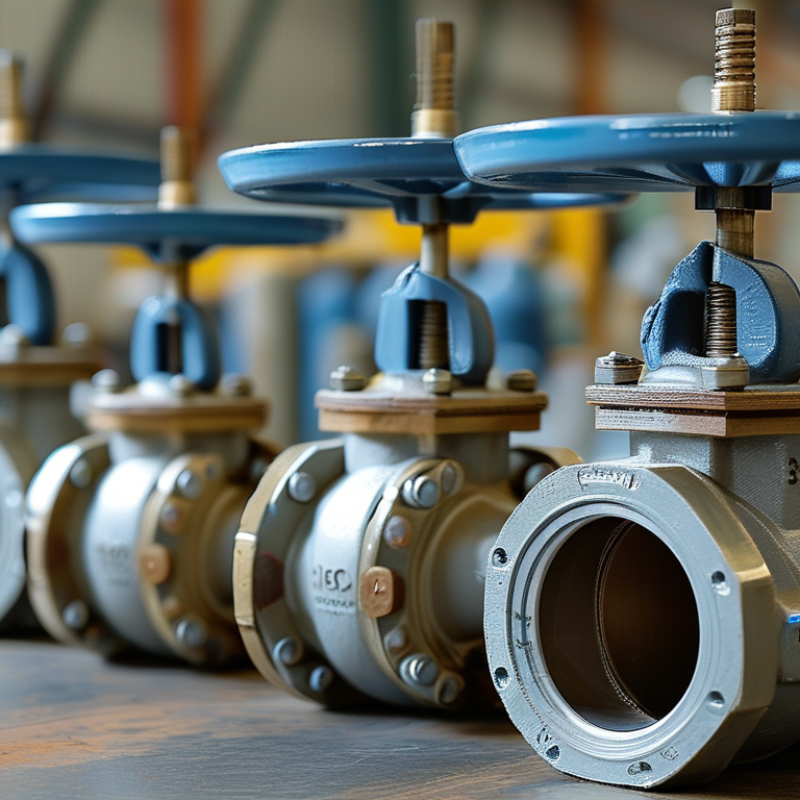
Common Types of Butterfly Valves and Their Applications
Butterfly valves are pivotal in fluid control systems. Their design allows for quick operation and precise flow regulation. Importers must consider various factors when selecting them. Understanding the types of butterfly valves is key.
There are several common types of butterfly valves. Resilient-seated valves seal well in low-pressure applications. They are ideal for water and wastewater services. Similarly, metal-seated butterfly valves handle higher temperatures and pressures. These are often used in industries like oil and gas.
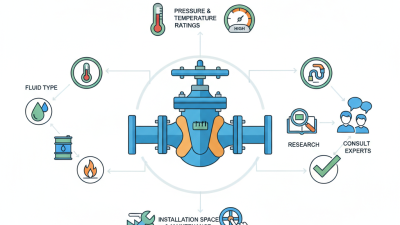
When selecting butterfly valves, consider these tips. Evaluate your specific application needs carefully. Research the material options available, as they greatly affect performance. Also, review dimensions and pressure ratings. Ensuring compatibility can save time and costs later. Don't hesitate to consult with engineers or industry experts. Their insights can guide you through complex choices.
Key Factors to Consider When Selecting a Butterfly Valve
When selecting a butterfly valve, several key factors must be considered to ensure optimal performance. Understanding the application is essential. The fluid type, temperature, and pressure all influence the valve's design and materials. Valve bodies made from different materials, like stainless steel or PVC, cater to various conditions. Importers should carefully examine these aspects to avoid costly mistakes.
Another critical aspect is the valve size and rating. It is vital to choose a valve that matches the pipeline specifications. An improperly sized valve can lead to inefficiencies or system failures. Generally, a valve must withstand the pressure rating of the system. Additionally, understanding flow characteristics can significantly impact the selection process. Often, balancing performance needs with budget constraints becomes challenging.
Moreover, the actuator choice plays a pivotal role in functionality. Electric, pneumatic, or hydraulic actuators all have distinct advantages. Importers should analyze the operational environment to determine the best fit. Feature compatibility is also a consideration. A valve that fits one application's needs may not suit another, prompting reflection on the selection process. Ultimately, informed decisions lead to effective solutions in diverse industries.
Understanding Butterfly Valve Materials and Their Benefits
When selecting butterfly valves, understanding material properties is essential. Common materials include cast iron, stainless steel, and PVC. Each material has distinct benefits. For instance, stainless steel offers corrosion resistance, making it ideal for harsh environments. According to a 2022 industry report by Global Market Insights, the demand for stainless steel butterfly valves is projected to grow by over 6% annually.
Cast iron valves, known for their durability, are popular in water treatment applications. They can withstand high pressure but may require more maintenance than other materials. Conversely, PVC butterfly valves are lightweight and cost-effective, suitable for low-pressure systems. A recent study from Research and Markets indicates that the plastic valve market is expected to expand by 8% through 2026, driven by the rising demand for efficient piping systems.
However, material selection is not always straightforward. Environmental factors, temperature limits, and pressure requirements must be considered. A valve made of the wrong material can lead to leaks, costly repairs, and operational downtime. Importers should evaluate their specific applications and consult material compatibility charts to avoid unexpected failures.
Quality Standards and Certifications for Butterfly Valves
When selecting butterfly valves, quality standards and certifications are crucial for importers. Data from the Global Butterfly Valve Market report indicates that quality issues account for over 30% of returns. Ensuring compliance with international standards, like ISO 9001, is vital to bypass potential setbacks. These certifications reflect the manufacturer's commitment to maintaining quality and consistency.
Understanding the certifications is key. For example, valves with API 609 certification guarantee reliability in critical applications. Additionally, third-party testing can validate performance claims. However, some importers overlook these details and choose based solely on price. This approach often leads to unexpected failures, costing time and money.
Valves should also meet industry-specific standards, such as those from ASME or ASTM. Each application can have differing requirements that impact performance and safety. Importers must be diligent in their research. Many factors contribute to valve failure, including poor design, subpar materials, or lack of maintenance. Attention to quality starts with informed selection based on credible standards.
Best Butterfly Valve Selection Tips for Importers Worldwide
| Dimension |
Material |
Pressure Rating |
Certification |
Standard Compliance |
| 2 inch |
Ductile Iron |
150 PSI |
ISO 9001 |
API 609 |
| 4 inch |
Cast Iron |
200 PSI |
CE Mark |
ASME B16.34 |
| 6 inch |
Stainless Steel |
300 PSI |
API 6D |
ANSI/ISA 75.02 |
| 8 inch |
PVC |
150 PSI |
NSF International |
AWWA C504 |
| 10 inch |
Aluminum |
150 PSI |
UL Listed |
BRS 2000 |
Best Practices for Sourcing Butterfly Valves from Suppliers
When sourcing butterfly valves, importers should prioritize working with experienced suppliers. Understanding the technical specifications of valves is crucial. Knowledge about materials, sizes, and pressure ratings helps in making informed decisions. Suppliers must demonstrate expertise in valve technology. Look for certifications that reflect quality standards.
Communication plays a vital role during the sourcing process. Engaging with suppliers directly can clarify product details and delivery timelines. Misunderstandings can lead to costly mistakes. A few questions can reveal a supplier’s reliability. Ask about their manufacturing process and past projects. This will build trust and confidence.
Monitoring industry trends is also essential. Technologies evolve, and new materials emerge. Regularly updating your knowledge helps maintain a competitive edge. It’s easy to overlook changes in regulations or standards; remaining vigilant can prevent issues. Adapting to these trends ensures that your valve sourcing aligns with market needs.
Best Butterfly Valve Selection Tips for Importers Worldwide