How to Choose the Right Pressure Relief Valve for Your Needs?
Choosing the right pressure relief valve is crucial for ensuring safety and efficiency in various applications. These devices prevent excessive pressure buildup, which can lead to system failures. However, selecting the most suitable valve can be challenging. Understanding your specific needs is key.
Different factors influence the choice of a pressure relief valve. Consider the type of media being handled, the pressure levels involved, and the operating conditions. Each application may require a different valve design or size. This makes it essential to have a clear understanding of how each valve functions.
Many users overlook some common pitfalls when selecting these valves. Inadequate specifications can result in equipment failure. Insufficient knowledge about the operational environment can lead to poor performance. Take the time to research and reflect on your unique requirements. This diligence will pay off in greater reliability and safety.

Understanding the Basics of Pressure Relief Valves
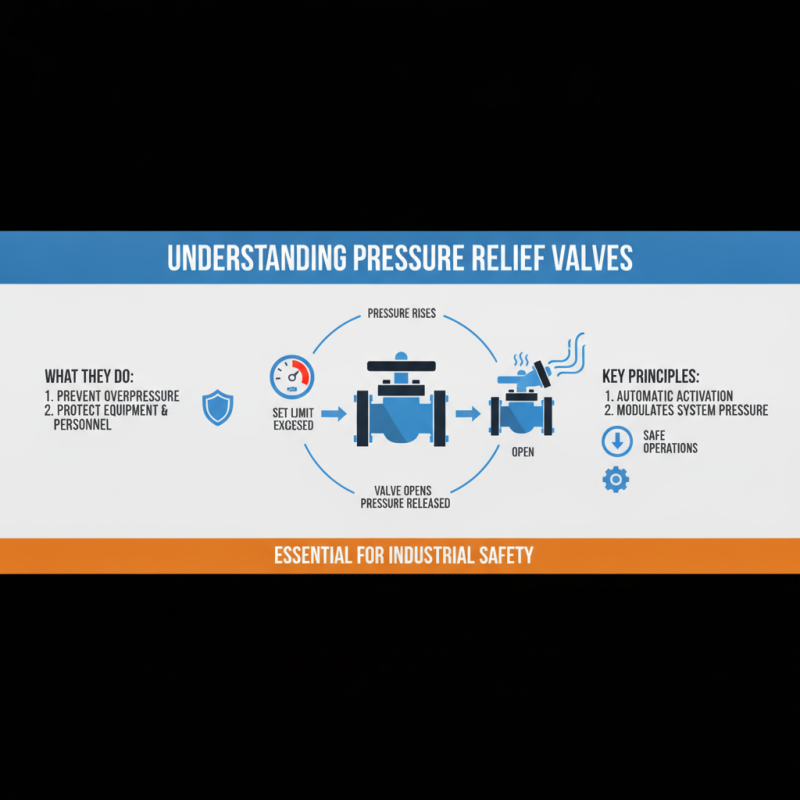
Understanding pressure relief valves is essential for safe operations in various industries. These devices prevent overpressure conditions that could lead to catastrophic failures. By engaging a valve to open when pressure exceeds a set limit, they effectively manage pressure fluctuations in systems. Knowing how these valves work helps users make informed decisions about their applications.
Different systems require different types of pressure relief valves. Some need spring-loaded models, while others may benefit from pilot-operated valves. It is crucial to assess the specific requirements of your system, including pressure range and flow rate. An incorrect selection could lead to inefficiencies or increased risks.
Consider the material compatibility with fluids as well. Not all valves withstand every fluid type. Choosing the wrong material may result in corrosion or mechanical failure. This highlights the importance of understanding both the operational environment and fluid characteristics. Pressure relief valves are integral, but choosing the right one can be complex. Make sure to reflect on all factors before making a decision.
Identifying Your System Requirements and Specifications
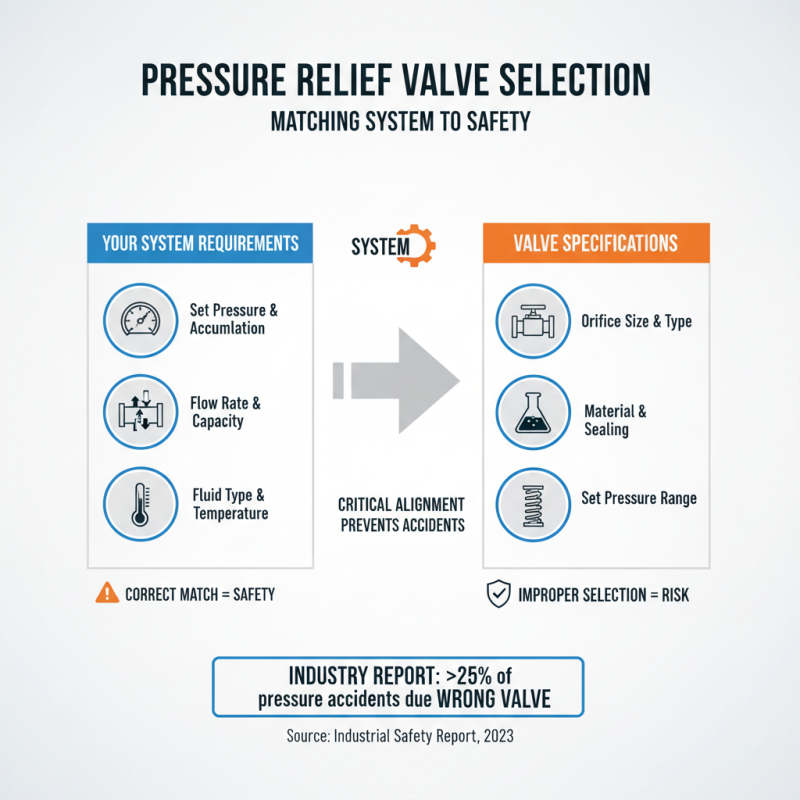
Choosing the right pressure relief valve (PRV) requires a deep understanding of your system's requirements and specifications. A recent industry report stated that over 25% of pressure-related accidents in industrial settings stemmed from improper valve selection. This highlights the need for accurate matching between valve capabilities and system needs.
Identifying the operating pressure range is crucial. Most valves are designed for specific pressure thresholds. Failure to align your valve’s set pressure with system needs can lead to catastrophic failures. For instance, a PRV set too high may not provide sufficient relief, while one set too low can cause frequent operational interruptions. Understanding the medium passing through the valve is also essential. Different materials offer varying levels of corrosion resistance and pressure tolerance.
Additionally, flow capacity is another significant aspect. Industry standards suggest evaluating flow requirements based on potential overpressure scenarios. For larger systems, a valve's orifice size must account for the maximum expected flow rate. Evaluating your technical specifications against these guidelines can help mitigate risks. Consider consulting relevant industry standards, such as those from the American Society of Mechanical Engineers (ASME), to ensure compliance and safety.
Evaluating Different Types of Pressure Relief Valves
When evaluating different types of pressure relief valves, it's important to consider their specific applications. A common type is the spring-loaded valve. This valve uses a spring to control the opening and closing. It can be efficient for many industrial applications, but may not suit extremely precise needs. Always assess your system's pressure range and flow rate.
Another option is the pilot-operated valve. This type uses system pressure to assist in operation, making it suitable for high-capacity systems. However, its complexity can sometimes lead to reliability issues. Understanding how each type responds under various conditions is crucial to ensuring a sound choice. If a pilot-operated valve fails, the results can be severe.
Lastly, diaphragm valves are popular in applications involving corrosive materials. They offer a clean sealing surface. Yet, they may require more frequent maintenance. Each type has its strengths and weaknesses. The choice often depends on specific operational requirements. Always reflect on the long-term implications of your decision.
Pressure Relief Valve Types and Their Applications
Key Factors to Consider in Selection Process
Selecting the right pressure relief valve is crucial for safety and efficiency. Start by assessing your system's pressure and temperature requirements. Each application has unique demands. Identify the maximum operating pressure and the set pressure needed for the valve. This knowledge is essential for making an informed choice.
Material compatibility is another key factor. The valve's materials should withstand your specific operating environment. Consider fluids' corrosiveness and temperatures. This prevents premature failures. Additionally, evaluate the flow rate and required capacity. If the valve cannot handle the needed flow, it may fail to protect your system effectively.
Don't forget to think about installation and maintenance. Some valves are easier to install than others. Choose designs that allow for seamless integration. Regular maintenance is also vital. If a valve is hard to access, it may get neglected. Think about these aspects carefully to ensure reliable operation.
Installation and Maintenance Considerations for Longevity
When you choose a pressure relief valve, installation and maintenance are critical for longevity. Correct installation is essential. Follow guidelines specific to the valve type. Ensure all connections are tight. Leaks can lead to failures. Positioning matters too. The valve should be in a location that allows easy access for maintenance.
Regular maintenance checks extend the life of the valve. Inspect for signs of wear or corrosion. Clean the valve to prevent buildup. Sometimes, you may find issues that seem minor at first. Don’t ignore them. They can escalate into larger problems. Be cautious here; you want long-term reliability, not a quick fix.
Remember that every system is unique. What works for one may not work for another. Adapting maintenance routines reflects your system's condition. Assess performance regularly. It can reveal hidden challenges and help improve reliability. This proactive approach fosters a deeper understanding of your needs.
How to Choose the Right Pressure Relief Valve for Your Needs? - Installation and Maintenance Considerations for Longevity
| Dimension |
Description |
Considerations |
| Size & Capacity |
Select a valve size based on the system's flow rate and pipe size. |
Oversized or undersized valves can cause inefficiency. |
| Set Pressure |
Choose the appropriate pressure setting for your application. |
Too high or too low can lead to risks. |
| Material |
Consider valve body material based on the fluid type and operating conditions. |
Corrosion resistance is crucial for longevity. |
| Installation Type |
Decide between direct-mounted or remote-mounted installation. |
Installation affects valve performance and maintenance access. |
| Maintenance Schedule |
Regularly check and test the valve to ensure functionality. |
Preventive maintenance increases lifespan and reliability. |