10 Best Clear PVC Sheet Suppliers for Global Buyers
Finding dependable clear pvc sheet suppliers can be harder than comparing product photos. Global buyers need more than bright images and attractive prices. They need stable quality, accurate specifications, responsive communication, and practical export support.
This guide introduces 10 suppliers selected for their product range, manufacturing experience, documentation, and suitability for international orders. The evaluation considers sheet thickness, transparency, surface finish, roll or panel sizes, packaging, minimum order quantities, and customization options. It also looks at technical data, sample availability, quality-control procedures, and evidence of relevant product testing. Small details matter. A poorly protected roll can arrive with scratches, creases, or cloudy areas after a long shipment.
Real sourcing work is rarely perfect. Some suppliers may offer strong pricing but limited customization. Others may provide excellent technical support while requiring higher minimum quantities. Buyers should request current samples, confirm tolerances in writing, and review certificates before placing a commercial order. A supplier’s website alone is not enough evidence. Direct conversations, factory information, customer references, and transparent inspection arrangements provide stronger reassurance.
The selected companies serve different needs, including packaging, construction, industrial protection, agriculture, retail displays, and workshop applications. Their strengths are not identical. That is useful, because the best supplier depends on climate, application, budget, shipping route, and required service life. Use this overview as a practical starting point, then verify every critical detail before purchasing. Clear specifications prevent expensive misunderstandings later.
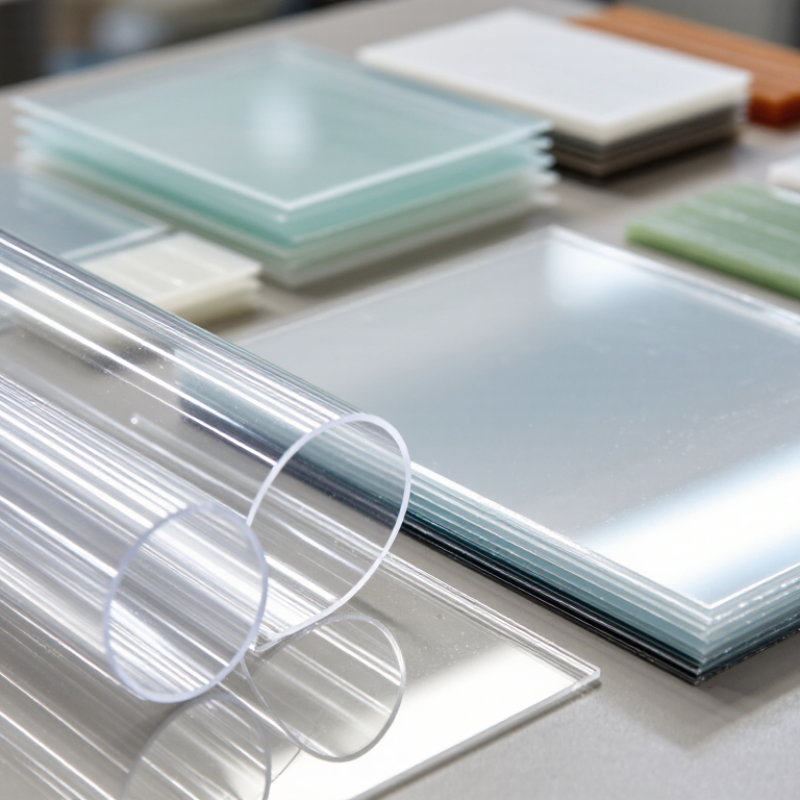
What Clear PVC Sheets Are and Why Global Buyers Use Them
Clear PVC sheets are transparent or translucent panels made from polyvinyl chloride resin, stabilizers, and, in flexible grades, plasticizers. They may feel like firm glass or bend like a heavy curtain. Buyers select them for visibility, moisture resistance, low maintenance, and easy fabrication.
Common uses include machine guards, warehouse dividers, greenhouse panels, protective covers, signage, and temporary partitions.
Market data explains their continued relevance. Grand View Research valued the global PVC market at about USD 45 billion in 2023, with steady growth expected through 2030. PlasticsEurope reported that PVC represented approximately 9.6% of European plastics demand in 2022. These figures cover PVC broadly, not clear sheets alone. Still, they indicate a substantial supply base for international sourcing.
Clear PVC is practical. It is not perfect.
A clear sheet can yellow under prolonged ultraviolet exposure, become brittle in cold conditions, or lose transparency after repeated cleaning. Global buyers should check thickness tolerance, haze, light transmission, surface hardness, and operating temperature.
ASTM D1003 is commonly used to assess haze and luminous transmittance, while ISO 4892 methods help evaluate weathering resistance.
Requesting test reports matters more than trusting a polished sample. A sample may look excellent for one week. Real performance needs longer evidence. Suppliers should also confirm plasticizer type, batch consistency, packaging protection, and documentation for the destination market.
How to Evaluate Clear PVC Sheet Suppliers and Product Quality
Choosing among clear PVC sheet suppliers requires more than comparing prices. A dependable supplier should explain resin type, thickness tolerance, surface finish, and intended applications. Ask for recent test reports, production photos, and a sample from current stock. Ask for evidence. A polished catalog proves little if the delivered sheet differs from the approved sample.
During inspection, place the sheet under strong, even light. Check haze, bubbles, scratches, edge cracks, and inconsistent thickness. Measure several points with a calibrated micrometer, not just the center. Clear PVC should remain flexible without feeling unusually soft or brittle. Smell can also reveal poor ventilation or unsuitable additives, although it is not a laboratory test. Looks matter, but numbers matter more.
Evaluate the supplier’s process, not only the product. Confirm whether they control color, thickness, packing, and moisture protection before shipment. Request a written specification with acceptance limits and replacement procedures. A responsive technical team should answer clearly and admit limitations. I have learned that small defects often appear after cutting or folding. My inspection methods are not perfect, either; handheld tools can miss internal stress. For critical orders, independent testing and a pre-shipment inspection provide stronger confidence. Reliable suppliers welcome these checks instead of treating them as distrust.
Top 10 Clear PVC Sheet Suppliers for International Procurement
Top 10 Clear PVC Sheet Suppliers for International Procurement
International buyers need more than a low quotation when sourcing clear PVC sheets.
A reliable supplier should provide stable thickness, consistent transparency, and documented material specifications. In practical purchasing, I check sample rolls, carton protection, production capacity, and response speed before approving a vendor. Small details matter. A scratched surface can make an entire shipment difficult to use.
The top ten supplier choices usually include manufacturers with extrusion lines, export-oriented converters, custom cutting specialists, and distributors serving regional warehouses. Some focus on flexible clear PVC film, while others produce rigid sheets for partitions, packaging, machine guards, or interior applications. Strong suppliers can discuss thickness tolerance, width options, hardness, surface finish, and temperature performance without vague promises. They should also explain how they control bubbles, haze, edge damage, and color variation during production.
International procurement requires careful verification.
Ask for recent test reports, packing photographs, loading records, and a pre-shipment inspection plan. Confirm Incoterms, lead time, minimum order quantity, and replacement procedures in writing. Destination-market requirements may differ, so compliance documents must match the actual application and shipping country. I have found that polished catalogs can hide weak quality control. No shortlist is perfect. A supplier may pass sampling yet struggle with urgent repeat orders. Buyers should compare at least three samples, measure them independently, and record every deviation before signing a purchase agreement.
Comparing Supplier Capabilities, Certifications, Pricing, and Delivery
Choosing among the 10 best clear PVC sheet suppliers requires more than comparing catalog photographs. I review thickness tolerance, surface clarity, roll width, cutting accuracy, and packaging quality. A reliable supplier should provide production samples before volume orders. Samples expose weaknesses.
Certification claims deserve careful checking. Ask for current documents, issuing bodies, test methods, and applicable product scopes. ISO-based quality systems can indicate controlled processes, but they do not guarantee every shipment. For specialized use, request data on light transmission, chemical resistance, temperature range, and tensile performance. Technical teams should answer clearly, not hide behind general certificates.
Pricing is easier to judge when suppliers quote the same specification. Compare resin grade, thickness, minimum order quantity, tooling fees, inspection costs, and export packaging. The lowest price may reflect thinner material or weaker protection. Delivery depends on production capacity, port access, stock levels, and seasonal congestion. Request a written lead time and a realistic shipping schedule. Delivery changes everything.
I also examine how suppliers manage defects, replacement claims, and communication across time zones. A documented inspection plan should identify roll length, edge condition, scratches, bubbles, and color variation. Payment terms matter, but control over quality matters more. My own comparison process is not perfect; laboratory results can differ from field performance. Buyers should test sheets in their actual climate and application before committing to large quantities.
How Global Buyers Can Select and Order the Right PVC Sheets
Choosing clear PVC sheets starts with the application, not the supplier’s sales pitch. Define thickness, width, length, hardness, transparency, and surface finish before requesting prices. A sheet for machine guards needs different impact performance than one for packaging displays. Ask for technical data, production tolerances, and the material grade in writing. Small details matter.
If clarity is critical, request a sample and inspect it under actual lighting. Look for haze, bubbles, scratches, uneven edges, and color changes across the sheet. I have seen attractive samples hide weak consistency in larger production runs. That experience makes batch evidence more valuable than polished photographs. Ask for destination-market compliance documents when required.
Compare suppliers using the same specification sheet. Check manufacturing experience, quality controls, export records, and response speed. Reliable suppliers can explain how they control thickness and protect surfaces during cutting. Request recent inspection reports, but verify what was tested and when. A certificate without test conditions tells you very little. Clarify minimum order quantities, lead times, payment terms, and replacement procedures. Confirm whether prices include cutting, packing, documentation, or freight. For international orders, check pallet dimensions and moisture-resistant packaging. These details affect damage risk and landed cost.
Before ordering a full container, purchase a trial batch when possible. Measure thickness at several points and test fit, flexibility, and transparency. Keep signed samples and approved drawings with the purchase order. I once overlooked edge protection, and several sheets arrived with chipped corners. It was preventable. A pre-shipment inspection may reveal packing or labeling errors early. Record actual defects, delivery time, and sheet performance.