Call Us

(905) 670-0113

How to Choose the Right Carbon Steel Pipe?

Choosing a carbon steel pipe is not a matter of picking the thickest wall or the lowest price. The right choice depends on what the pipe must carry, its operating pressure and temperature, and the environment around it. A line beneath a damp factory floor faces different risks from a pipe carrying hot water through a plant. Small details matter.

Metallurgist H. K. D. H. Bhadeshia’s published work explains how steel composition and processing influence material properties. That perspective is useful, but it does not replace application-specific engineering or a verified product specification. A practical selection principle for this guide is: “Match the pipe’s grade, dimensions, and manufacturing route to its actual service conditions.” This is an editorial summary, not a verbatim quotation from Bhadeshia.

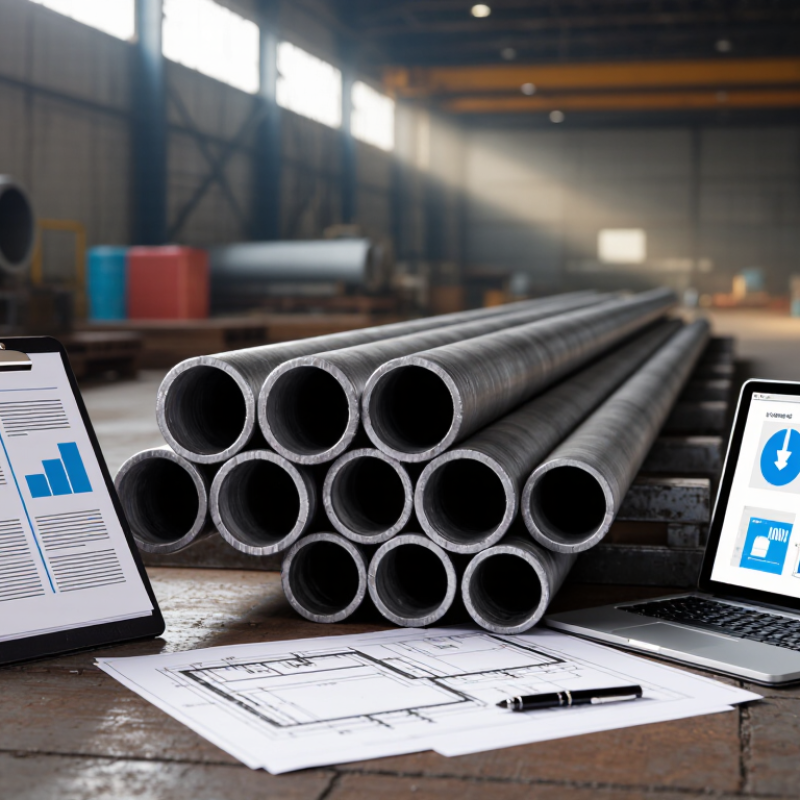
Start with the service conditions. Confirm the required grade, outside diameter, wall thickness, and connection method against the design documents. Then consider corrosion exposure, fabrication needs, inspection requirements, and traceability. A pipe that looks substantial on a warehouse rack may still be unsuitable for a particular system. Check the mill test certificate and product markings; do not rely on appearance alone. Verify the relevant standards with the project engineer or qualified supplier, since specifications and local requirements can differ.

There is no universal best option. A sensible decision records the assumptions, checks the documents, and leaves room to revisit uncertain details before ordering. That pause can prevent costly rework.
How to Choose the Right Carbon Steel Pipe?

Define Service Conditions: Design Pressure, Temperature, Fluid, and Code

Before selecting carbon steel pipe, write down the actual service conditions. Record design pressure, operating pressure, and credible pressure surges, not just the usual gauge reading. Temperature matters too: higher temperatures can reduce material strength, while cold service may require attention to impact toughness. Details matter.

Describe the fluid clearly. Water, wet gas, and a mildly corrosive process stream can affect corrosion allowance, wall thickness, and inspection planning differently. Note chemical composition, moisture, solids, and expected flow conditions where known. If those details are uncertain, say so; an assumed fluid profile can make a sound calculation misleading. Pipe size and schedule should follow the required design basis, not a visual guess.

Identify the governing construction code and any project specifications before comparing pipe grades. Applicable requirements can shape material selection, dimensions, welding procedures, testing, and documentation. Check that the selected grade is permitted for the service and temperature, then have a qualified piping engineer verify pressure design and corrosion assumptions. A calculation may look complete while overlooking a start-up surge or a change in fluid composition. Keep those open questions visible in the specification, rather than burying them in a general note.
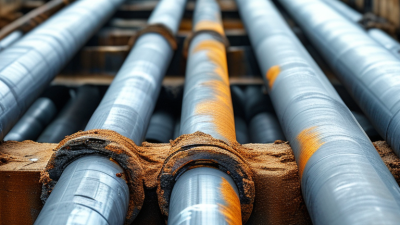
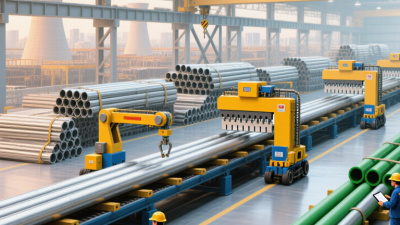
Compare Pipe Grades: ASTM A106 Grade B Requires 35 ksi Yield Strength

When comparing carbon steel pipe grades, check the specified minimum yield strength. ASTM A106 Grade B has a minimum yield strength of 35 ksi, or 35,000 psi. That is the stress level at which the pipe may begin to deform permanently. Under the same specification, Grade A has a 30 ksi minimum, while Grade C has a 40 ksi minimum. The numbers help narrow a choice, but they do not tell the whole story.

Look beyond the grade. A106 covers seamless carbon steel pipe intended for high-temperature service, and the required wall thickness depends on pressure, temperature, diameter, and design conditions. For example, a pipe carrying hot fluid through a plant may need a thicker wall than a line with the same diameter at lower pressure. Corrosion allowance and joining details matter, too. A strength figure cannot replace a proper design check.

Check the purchase specification and material test report against the applicable ASTM edition. Confirm the grade, dimensions, heat number, and reported test results before installation. A 35 ksi minimum is not a promise that every sample measures exactly 35 ksi; actual results can be higher. Still, I would not choose Grade B on yield strength alone. It is an easy detail to overvalue.

How to Choose the Right Carbon Steel Pipe? - Compare Pipe Grades: ASTM A106 Grade B Requires 35 ksi Yield Strength

Specification and Grade Minimum Yield Strength Minimum Tensile Strength Product Scope Selection Considerations
ASTM A106 Grade A 30 ksi (205 MPa) 48 ksi (330 MPa) Seamless carbon steel pipe for high-temperature service Consider when the specified design conditions permit its lower minimum strength. Confirm temperature, pressure, dimensions, and applicable code requirements.
ASTM A106 Grade B 35 ksi (240 MPa) 60 ksi (415 MPa) Seamless carbon steel pipe for high-temperature service A common choice for high-temperature piping. The 35 ksi value is the specified minimum yield strength, not a pipe-size or pressure rating.
ASTM A106 Grade C 40 ksi (275 MPa) 70 ksi (485 MPa) Seamless carbon steel pipe for high-temperature service Offers higher specified minimum tensile and yield strengths than A106 Grade B. Check design rules and availability for the required size and wall thickness.
ASTM A53 Grade B 35 ksi (240 MPa) 60 ksi (415 MPa) Welded or seamless steel pipe for general and mechanical applications, including certain pressure services Its minimum strength values match A106 Grade B, but the standards have different product scopes and requirements. Do not treat the grades as automatically interchangeable.
API 5L Grade X42 42 ksi (290 MPa) 60 ksi (415 MPa) minimum Line pipe for pipeline transportation systems Designed and specified under a pipeline standard. Compare the required product specification, manufacturing route, testing, and supplementary requirements—not strength alone.

Note: Strength values shown are specified minimums and are rounded to commonly used equivalent units. Select pipe using the governing design code, service temperature, pressure, corrosion conditions, manufacturing requirements, and material test documentation. Verify requirements against the applicable edition of each standard.

Check Tensile Requirements: ASTM A106 Grade B Requires 60 ksi Minimum

For carbon steel pipe, tensile strength is a practical check, not a box to tick blindly. ASTM A106/A106M, Table 2, specifies Grade B minimum tensile strength of 60 ksi (415 MPa) and minimum yield strength of 35 ksi (240 MPa). These values describe different properties. Tensile strength is the maximum stress measured before the test specimen breaks; yield strength marks when permanent deformation begins. The distinction matters. A pipe meeting 60 ksi tensile strength still needs to suit the design pressure, temperature, and service conditions.

Check the mill test report for the actual tensile result and match its heat number to the pipe markings. Look for the test method, units, and traceability details; a copied value without a matching heat number is not much reassurance. ASTM’s minimum is a baseline, not a prediction of every pipe’s measured strength. Small variations between heats are normal. It is tempting to choose a higher reported tensile value as “safer,” but that alone does not establish suitability. Confirm wall thickness, grade, and applicable design requirements with the project engineer, especially where low temperatures or cyclic loading are involved. The paperwork can look tidy and still leave questions.

Select NPS and Schedule: NPS 2 Has a 2.375-Inch OD per ASME B36.10M

When choosing a carbon steel pipe, treat NPS as a size label, not a direct measurement. Under ASME B36.10M, NPS 2 pipe has a nominal outside diameter of 2.375 inches (60.3 mm). That value stays the same across schedules. The wall changes. For example, NPS 2 Schedule 40 has a nominal wall thickness of 0.154 inch, while Schedule 80 is 0.218 inch. Their inside diameters differ, changing flow area and affecting fit-up. That distinction matters.

A practical selection starts with service conditions: design pressure and temperature, fluid chemistry, corrosion allowance, and mechanical loads. Compare the required wall thickness with the applicable design rules and available schedules. Do not choose by NPS alone. A thicker wall can reduce the bore and add weight; a thinner wall may not provide enough margin. Check the material grade, manufacturing method, dimensional tolerances, and end preparation in the purchase documents. If fit-up is critical, measure the outside diameter with a caliper. Coatings, ovality, or handling damage can complicate a quick check. ASME dimensions define nominal sizes, not a promise that every measured pipe is identical. This detail is easy to overlook.

Choose Manufacturing Route and Verify Testing, Corrosion Protection, and Compliance

The right carbon steel pipe begins with its manufacturing route. Seamless pipe is formed without a longitudinal weld and may suit demanding pressure or temperature conditions. Welded pipe can offer consistent dimensions and efficient production when its specification fits the service. Neither route is automatically better. Consider design pressure, temperature, dimensions, and applicable product standards before choosing.

Verify the inspection plan, not just the product description. Depending on the specification, checks may include dimensional inspection, chemical analysis, tensile testing, hydrostatic testing, or nondestructive examination of welds. Ask for traceable test records linked to the pipe heat or batch. At delivery, compare markings and documents with the purchase requirements. Small mismatches matter. A certificate is useful only when it identifies the supplied material and required tests.

Corrosion protection should reflect the actual environment. Moisture, soil conditions, chemicals, and operating temperature can change coating performance. Specify a suitable coating or lining, then check surface preparation, coverage, and damage during handling. Protection is not permanent. Inspect exposed ends and cut areas, where corrosion can start unnoticed. Confirm that the pipe, testing, marking, and protection meet the project specification and relevant standards. If requirements conflict, resolve them before fabrication; that step is easy to overlook.