China Top 10 Safety Valve Manufacturers in 2026
China’s safety valve industry is entering 2026 with stronger demand from energy, chemical processing, power generation, and hydrogen projects. Fortune Business Insights valued the global pressure relief valve market at approximately USD 4.92 billion in 2023. Its report also forecasts continued growth through 2032. Grand View Research identifies process industries, refining, and power generation as major demand sectors. These figures suggest opportunity, but they do not prove product quality.
Performance matters more than factory size. A dependable safety valve must open at the correct set pressure, control blowdown, and reseat without leakage. Materials also require careful evaluation. Stainless steel, alloy steel, and special trim may face corrosive media, high temperatures, or cyclic pressure. API 520, API 526, and ISO 4126 provide useful technical references for sizing, installation, and testing. Certification alone is not enough.
Trevor Kletz, a respected process-safety expert, said, “If you think safety is expensive, try an accident.” His warning remains relevant when comparing Chinese manufacturers. This review examines ten companies using practical criteria, including design capability, pressure testing, traceability, export experience, after-sales support, and documented quality systems. Factory visits and field records would strengthen any ranking, although publicly available evidence is sometimes incomplete. That is an important limitation.
The selected manufacturers are not presented as universally superior. Applications differ. A refinery may prioritize high-temperature alloy construction, while a food-processing plant may require hygienic materials and simple maintenance. Buyers should verify certificates, test records, sizing calculations, and local service capacity before purchasing a safety valve. Small details can prevent large failures.
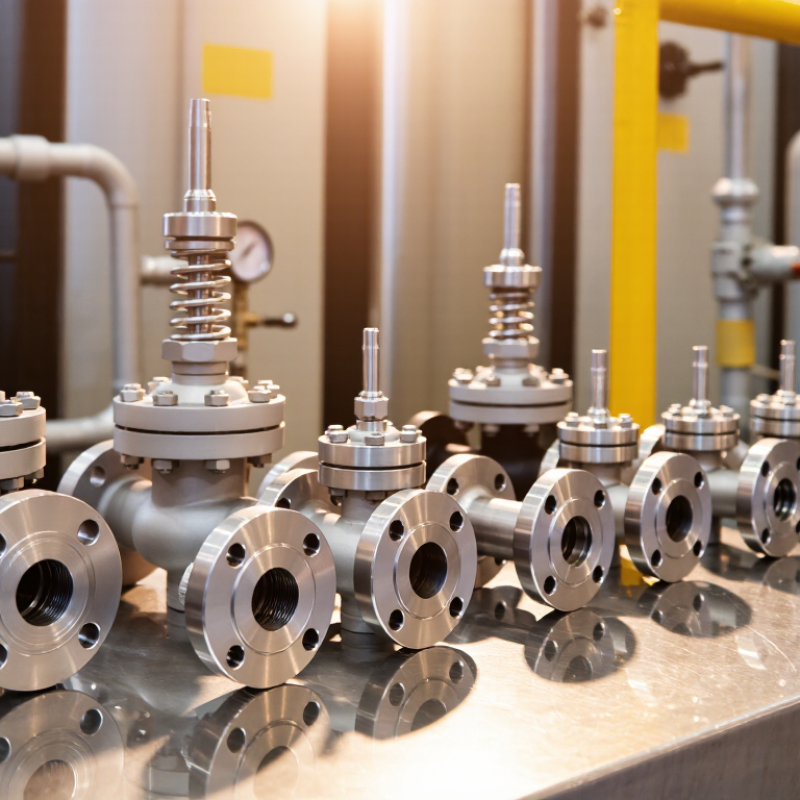
2026 Ranking Criteria: 10 Chinese Manufacturers, Certifications, and Output Data
China Top 10 Safety Valve Manufacturers in 2026
The 2026 ranking evaluates ten Chinese safety valve manufacturers through evidence, not advertising claims. Each company is reviewed against ISO 9001 quality systems, ISO 14001 environmental controls, and relevant API, ASME, or CE documentation. Certification scope matters. A certificate covering one facility cannot represent every production line.
Output data receives equal attention. We compare verified annual production, pressure-testing capacity, delivery records, and the number of valve sizes produced. Factory visits, equipment photographs, inspection reports, and batch traceability strengthen the assessment. A manufacturer producing 50,000 valves yearly may rank below a smaller supplier with stronger testing discipline and fewer field failures. That distinction is important.
Technical teams also examine material certificates, spring calibration, welding procedures, and final inspection records. Experience from project procurement shows that paperwork often looks complete until serial numbers are checked. Small gaps remain. Production figures may include outsourced components, while reported capacity may exceed practical output. Therefore, the ranking separates installed equipment from actual shipments and treats unsupported data cautiously. Customer service, replacement support, and response time are included because safety performance continues after delivery. Just a catalog is not enough.
China Top 10 Safety Valve Manufacturers in 2026
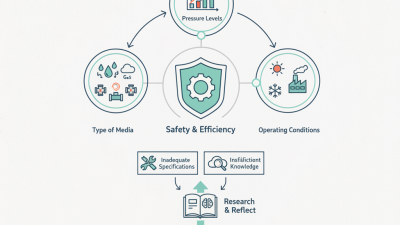
2026 Ranking Criteria: Certification, Manufacturing Capability, Product Coverage, Export Readiness, and Quality Testing
The chart presents the evaluation framework used to compare ten Chinese safety valve manufacturers. Certification and regulatory compliance receive the highest weighting, followed by disclosed manufacturing capacity and product coverage. No individual company or brand data is displayed.
API 526’s 14 Orifice Sizes and ISO 4126 Safety Valve Requirements
China’s safety-valve market deserves technical comparison, not a popularity list.
Grand View Research valued the global industrial valves market at approximately USD 78.7 billion in 2023. Its forecast also indicates steady growth through 2030, driven by energy, chemical, and water infrastructure projects. For a 2026 supplier review, production scale matters. Verification matters more.
API 526 defines 14 standardized orifice sizes, identified from D through T. These sizes support consistent flow-area selection across pressure-relief applications. Engineers should check set pressure, backpressure, temperature, inlet loss, and required relieving capacity. A larger orifice is not automatically safer. Incorrect sizing can cause unstable operation or excessive discharge. Practical audits should compare the certified effective area with the calculation sheet, nameplate, and test record.
ISO 4126 sets requirements for safety devices, including design, materials, performance, and testing. The ISO 4126 series also emphasizes capacity validation and suitable installation conditions. Manufacturers serving Chinese and export projects should provide material certificates, pressure-test results, set-pressure tolerances, and traceability records. A 2024 MarketsandMarkets analysis identified process safety and industrial expansion as important valve-market drivers, but market growth does not prove technical quality. A spreadsheet can still miss poor calibration. That gap matters. Witness testing, sample inspection, and review of failed-valve history remain valuable, even when documentation looks complete.
Top 10 Chinese Safety Valve Manufacturers: Products, Markets, and Capacity
China Top 10 Safety Valve Manufacturers in 2026
China’s leading safety valve manufacturers serve demanding industrial markets with varied product lines. Common products include spring-loaded valves, pilot-operated designs, thermal relief valves, and high-temperature units. Many suppliers produce valves for petrochemical plants, power stations, refining facilities, food processing, pharmaceuticals, and municipal water systems. Their export markets cover Asia, Europe, the Middle East, Africa, and the Americas. Market reach differs widely.
Manufacturing capacity is visible in the details. Larger factories often use CNC machining centers, automated welding equipment, pressure-testing benches, and digital inspection systems. They may handle stainless steel, carbon steel, alloy steel, and special corrosion-resistant materials. Some facilities maintain separate assembly areas for clean-service applications. Traceable heat numbers and calibrated test instruments matter. So does technical support after delivery.
A reliable comparison should examine more than annual output. Check pressure ranges, connection standards, material certificates, testing records, and production lead times. Factory audits can reveal practical weaknesses, such as crowded workshops or limited testing space. Published capacity figures are not always easy to compare. That deserves caution. Experienced buyers should review field performance, replacement-part access, and the manufacturer’s response to failed tests. A strong catalog helps, but documented process control builds greater confidence.
Technical Comparison: Set Pressure, Flow Rate, Materials, and API 527 Leakage Tests
Comparing China’s leading safety-valve manufacturers requires more than checking catalog pressure ratings. API 520 sizing equations use relieving pressure, temperature, compressibility, and certified flow coefficient. A larger outlet does not guarantee higher capacity. Engineers should compare kg/h or Nm³/h under identical test conditions. Set pressure is equally important. Under common ASME requirements, many valves are tested within approximately ±3% of the specified setting, although the exact tolerance depends on the service and code.
Material selection changes performance at the operating limit. Carbon steel suits many moderate-temperature applications, while stainless steel improves corrosion resistance. Duplex alloys may offer stronger resistance in chloride-rich environments, but they increase cost and demand careful welding control. API 527 specifies seat-leakage testing at defined pressures, commonly including 90% of set pressure. Acceptance depends on orifice size, test medium, and valve design. Bubble counts should therefore never be compared without the full test condition.
ISO 4126-1 also emphasizes certified relieving capacity and functional reliability. In practical audits, I would request the flow certificate, spring material, trim grade, temperature range, and test medium. Small documentation gaps matter. A polished certificate can still hide an unsuitable application. One weakness remains: laboratory leakage results may not represent vibration, back pressure, or dirty process gas. Buyers should repeat critical tests after adjustment and record the actual set pressure, flow rate, and API 527 result.
Buyer Checklist: ASME VIII, API 526, ISO 4126, and Factory Audit Metrics
China Top 10 Safety Valve Manufacturers in 2026: Buyer Checklist
When comparing China’s leading safety valve manufacturers, review compliance before price. ASME VIII should support the pressure vessel application and relief design. API 526 helps verify flanged valve dimensions, pressure classes, and face-to-face requirements. ISO 4126 covers essential safety device performance. Ask for current certificates, test procedures, and capacity evidence. Do not rely on scanned documents alone.
Factory audits should examine set-pressure accuracy, blowdown control, seat leakage, and repeatability. Check whether test benches are calibrated and traceable to recognized standards. Review material certificates, heat numbers, welding records, and final inspection reports. Measure nonconformity rates, corrective-action closure time, on-time delivery, and batch traceability. A clean workshop can still hide weak documentation. That is easy to miss.
Tips: Request one witnessed test on a production valve. Compare the nameplate with the test report. Confirm spring-range control and calibration intervals. Ask for three years of audit records, not only recent results. Inspect storage conditions for seals and springs. Also, challenge unclear answers. My own checklist would still be imperfect, because operating conditions often change after purchase. Share the actual medium, temperature, pressure, backpressure, and installation orientation before approval.