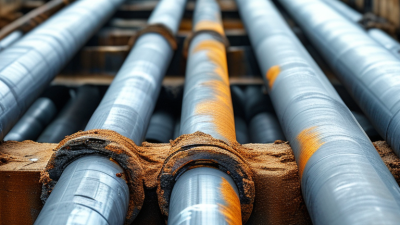
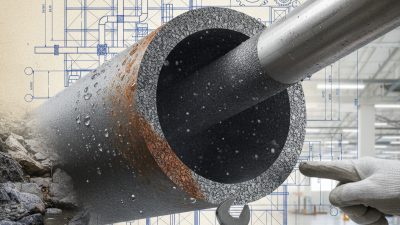
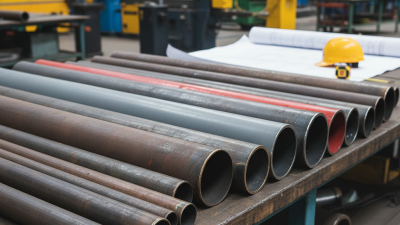
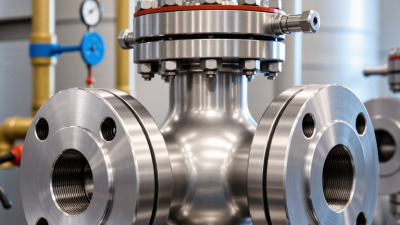
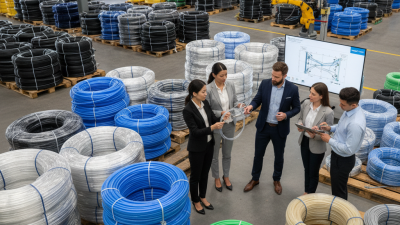
Who Are China Top 10 Carbon Steel Pipe Manufacturers?
China’s carbon steel pipe industry serves construction, energy, machinery, water systems, and many other applications. Its manufacturers differ in production scale, product range, testing practices, export experience, and ability to meet project specifications. A polished factory profile, however, does not tell the whole story. Buyers need to examine the details.
This introduction to ten leading Chinese manufacturers offers a starting point for research, not a universal ranking. “Top” can mean different things: broad manufacturing capacity, specialized products, consistent quality control, or dependable delivery. For each supplier, check the available pipe sizes, grades, manufacturing methods, inspection documents, and customization options. Ask whether the quoted product matches the required standard and intended service conditions. Small differences matter. A pipe’s dimensions, wall thickness, and test records can affect installation and performance.
Company information and product offerings can change, so confirm current details directly with each manufacturer. Request recent certificates and traceable test reports, then compare them with your project requirements. Trade references and factory audits may provide useful context, but they cannot guarantee every order will go smoothly. That uncertainty deserves attention. This guide helps readers build a focused shortlist of carbon steel pipe suppliers while encouraging careful, evidence-based evaluation before making a purchasing decision.
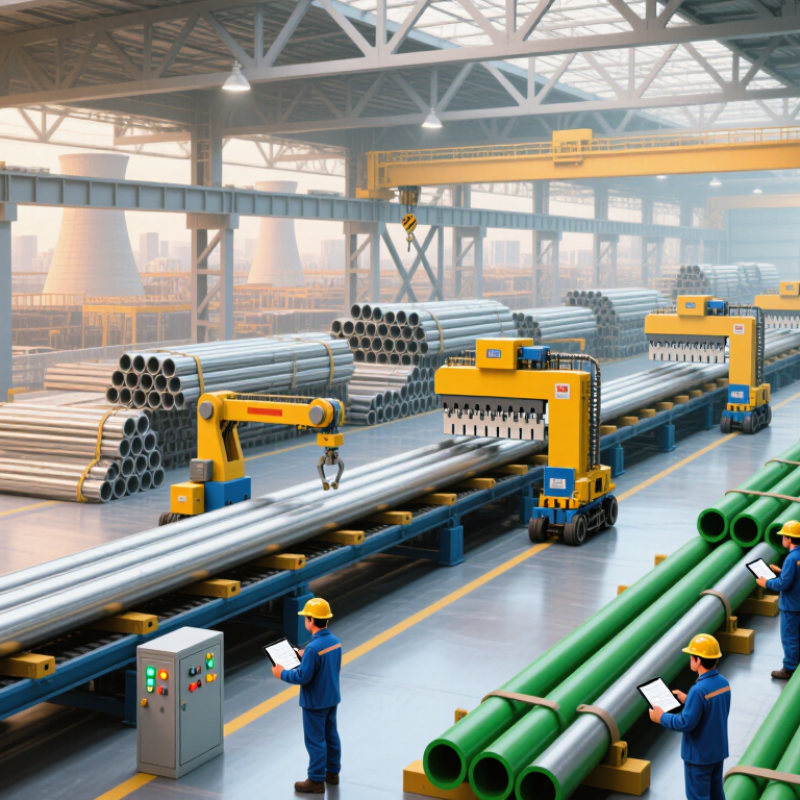
What Defines a Carbon Steel Pipe Manufacturer in China?
A carbon steel pipe manufacturer in China is defined by its ability to control the whole production process, not simply by a large catalogue. That starts with checking incoming billets or coils, then monitoring forming, welding, heat treatment, and final inspection. On a factory visit, practical details matter: calibrated gauges, clearly marked material batches, and test records that match the pipe being shipped. Small signs. They can reveal whether quality checks are routine or merely paperwork.
A reliable manufacturer should explain how its pipes meet the buyer’s specified grade, dimensions, and testing requirements. Depending on the application, this may involve chemical analysis, tensile testing, hydrostatic testing, or non-destructive examination. Ask how defects are recorded and resolved, not just whether testing is available. Traceability matters. So does consistent communication when specifications change. A polished quotation is useful, but it cannot replace clear technical answers.
Production capacity is another part of the definition, though impressive figures do not guarantee dependable delivery. Buyers should check realistic lead times, inspection procedures, packaging, and the manufacturer’s experience with similar orders. References and sample documents can help, but they deserve careful review. Even experienced buyers can overlook details when schedules are tight. A capable supplier makes those details easier to verify, while acknowledging where its process has limits.
How Should the Top 10 Be Compared by Capacity (t/y) and Export Share?
A credible top-ten comparison needs two separate measures: installed carbon-steel pipe capacity, in tonnes per year, and export share. Capacity should mean verified annual pipe-making capacity, not crude-steel output or a plant’s maximum theoretical rate. Record the product range, operating year, and whether figures cover seamless, welded, or both. Small differences matter. A mill making large-diameter pipe is not directly comparable with one focused on smaller welded sizes.
The World Steel Association’s World Steel in Figures 2024 reports China produced 1,019.1 million tonnes of crude steel in 2023. That scale provides context, not proof of any pipe maker’s capacity. For exports, UN Comtrade trade codes HS 7304, 7305, and 7306 can help track seamless and welded pipe flows. Calculate export share as verified exported tonnage divided by the manufacturer’s total pipe shipments for the same year. Customs data is not always linked cleanly to individual producers. That is a real limitation. Ask for audited capacity, shipment records, and the reporting period; treat unsupported figures as estimates, not rankings.
Which Grades and Specs Matter: API 5L PSL1/PSL2 and X42–X80?
When comparing carbon steel pipe manufacturers, start with the purchase specification, not the grade name alone. API Specification 5L distinguishes PSL1 and PSL2 requirements for line pipe. PSL2 generally calls for tighter controls on chemical composition, mechanical properties, testing, and traceability. Exact obligations depend on the edition, grade, dimensions, and order conditions. Check the mill test certificate against the specified requirements.
X42 and X80 refer to minimum yield strengths of 42,000 and 80,000 psi, respectively. Higher strength can reduce required wall thickness in some designs, but it does not automatically mean a better pipe. Toughness, weldability, diameter, wall thickness, and service conditions still matter. Small details matter. Confirm impact-test requirements, manufacturing route, inspection records, and whether PSL2 is explicitly stated.
The World Steel Association’s World Steel in Figures 2025 reports global crude steel production of about 1.88 billion tonnes in 2024. That scale shows why production volume alone is a weak measure of pipe qualification. Ask for grade-specific test records and verify heat numbers from pipe markings to certificates. One easy mistake is treating “X80” as a complete specification; it is only one part of the procurement decision.
Which Industries Specify Carbon Steel Pipe for High-Pressure Service?
Oil and gas operators specify carbon steel pipe for gathering lines, well-side flow, and transmission systems. These networks may face high pressure, vibration, and abrupt temperature changes. Engineers select grade, diameter, wall thickness, and joining method to match operating conditions. Small details matter. At a valve station, misaligned welds can complicate inspection and increase maintenance needs.
Power generation is another major user. Boiler feedwater and steam systems demand careful control of pressure and temperature. Chemical and petrochemical plants also rely on pressure-rated pipe to move process fluids between vessels, pumps, and heat exchangers. A fluid’s chemistry matters as much as its pressure. Carbon steel may need added corrosion controls, or a different material, when the service environment is aggressive.
Designers review applicable codes, pipe traceability, weld procedures, and inspection requirements before installation. Hydrostatic testing or nondestructive examination may be required by the project specification. Still, a mill certificate alone is not enough. Field handling, fit-up, and installation can affect performance too. It is easy to focus on the pressure rating and overlook how temperature cycles or corrosion could change service life.