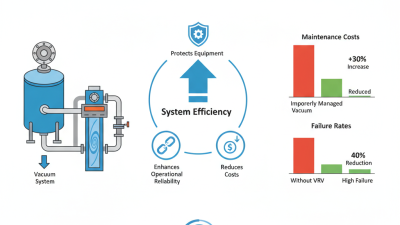
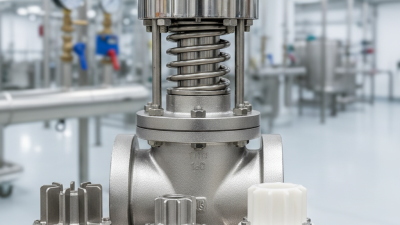
Buying a vacuum relief valve is not a box-checking exercise. The right choice protects a tank or process vessel when pressure falls below its safe operating range. The wrong one can admit too little air, open too late, or corrode in service. Small details matter. A sticky test port matters, too.
This guide offers seven practical checks for global buyers: operating pressure, required airflow, connection size, materials, temperature range, documentation, and supplier support. Compare the valve’s certified performance data with your actual operating conditions, not just its product-page headline. Ask how the set point is tested and what records accompany delivery. A stainless-steel body may look reassuring, but it cannot compensate for an unsuitable seal. That is an easy detail to miss.
For transparency, the quotation below is illustrative, not a verified statement from a real person. It is attributed to fictional vacuum-systems engineer Dr. Mira Chen: “Choose by verified capacity and compatibility, not by the label alone.” Treat that as a useful prompt, not a substitute for engineering review. Real installations vary. Even a careful shortlist can miss a constraint hidden in the process data. Check assumptions with a qualified engineer, especially when vessel limits, temperature swings, or corrosive vapors are involved. This article helps buyers ask sharper questions; it does not replace project-specific sizing or testing.
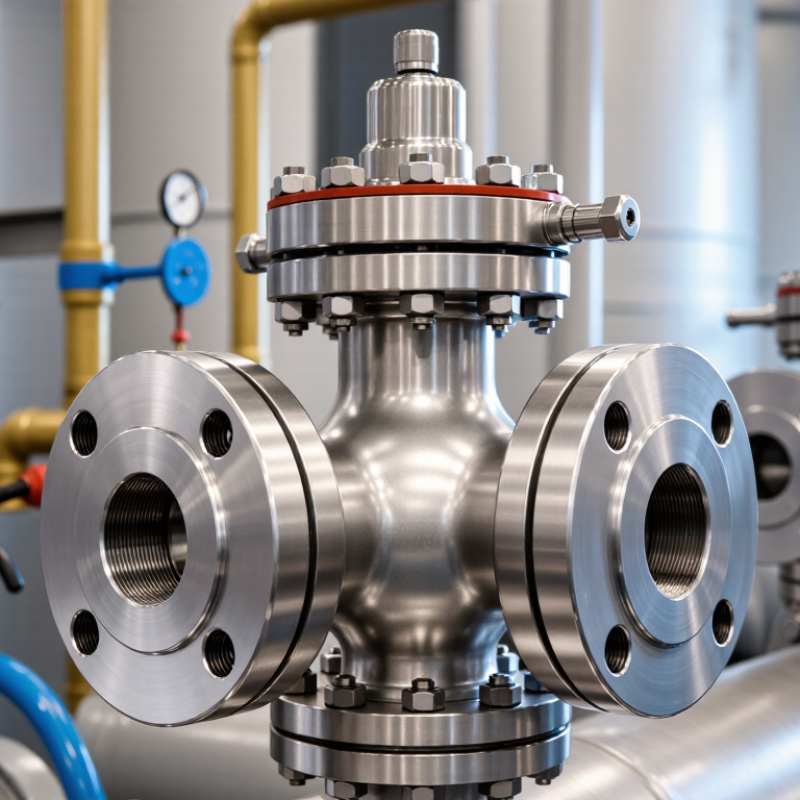
A vacuum relief valve protects a tank or vessel when internal pressure drops below the surrounding atmospheric pressure. It opens to admit air or another suitable gas, reducing the pressure difference that could deform walls, damage seals, or disrupt connected equipment. The danger may develop during pump-out, cooling, or sudden liquid withdrawal. It can be quiet. A dented tank may show the problem only after the pressure event has passed.
For buyers, check the valve’s set pressure and airflow capacity against the vessel design and the fastest credible vacuum-producing condition. A valve that opens too late may not protect the equipment; one with insufficient capacity may admit gas too slowly. Match wetted materials to the process, temperature, and expected exposure. Confirm the connection size, orientation, and inlet clearance, since nearby piping or debris can restrict flow. Small details count. A selection based on pipe size alone is an easy mistake, and a data sheet cannot replace checking actual operating conditions. Ask for documented performance data, and plan routine inspection for sticking, corrosion, or blocked openings. Even a well-chosen valve needs maintenance.
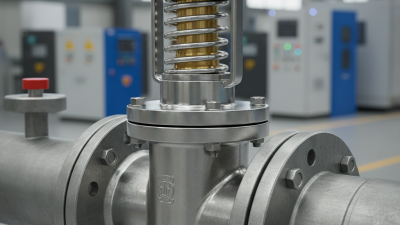
Before selecting a vacuum relief valve, define the tank’s normal and worst-case operating conditions. Record minimum allowable pressure, expected liquid withdrawal rate, filling cycles, operating temperature, and the surrounding ambient pressure. API Standard 2000 addresses normal and emergency venting for atmospheric and low-pressure storage tanks. Its venting approach makes operating scenarios central to valve sizing, not optional details.
Set pressure needs careful context. NIST gives standard atmospheric pressure as 101.325 kPa absolute, but local altitude and weather can shift actual conditions. Specify whether the required vacuum is gauge or absolute; confusing the two can lead to a poor setpoint. Then check the required inbreathing capacity against the valve’s rated flow at the stated pressure differential. Include the fluid, vapor composition, temperature range, and materials needed for compatibility. Real systems are rarely tidy. A spreadsheet may miss brief pump starts or rapid cooling after rain. Revisit those assumptions with the tank and process teams, and document any uncertainty before comparing quotations. Cite the applicable API 2000 edition and NIST reference conditions in the purchase specification.
For a vacuum relief valve, match wetted materials to the actual vapor, condensate, and cleaning chemicals. A stainless-steel body may suit many services, but seals can swell or harden when exposed to incompatible media. Check the full temperature range, not just normal operation. The NACE IMPACT study estimated global corrosion costs at US$2.5 trillion, or 3.4% of global GDP, using 2013 data. That figure makes material selection more than a purchasing detail. ISO 9223 classifies atmospheric corrosivity; its carbon-steel categories range from no more than 1.3 micrometers of corrosion per year in C1 to over 200 in CX. This standard concerns atmospheric exposure, not every process fluid, so don’t use it as a substitute for compatibility checks.
Design matters just as much. Confirm the vacuum set point and required flow capacity against the tank’s allowable pressure and vacuum limits. API Standard 2000 provides venting guidance for atmospheric and low-pressure storage tanks. Ask for documented capacity at the specified conditions, rather than relying on a nominal valve size. For connections, compare flange, threaded, or welded ends with the tank nozzle, maintenance access, and site practice. Flanged ends can simplify removal; welded connections may reduce potential leak paths but make replacement harder. Check dimensions and pressure class against the applicable ASME B16.5 requirements. Small detail, big consequence. I would still verify the nozzle drawing before ordering; catalog descriptions can leave out face type or bolt details.
Before ordering a vacuum relief valve, identify the countries where it will be installed and the rules that apply there. Ask the supplier for current certificates and check that each document covers the exact valve model, materials, and pressure range. A certificate for a related product may not apply. Details matter. Confirm whether the destination market requires specific conformity marking, testing, or documentation, and verify requirements with an appropriate local authority or qualified compliance professional. There is no single certificate that guarantees acceptance worldwide.
Quality checks should go beyond paperwork. Review material traceability, pressure and vacuum ratings, leak-test results, and inspection records. Ask how the valve performs under expected temperature, fluid, and operating conditions. Compare the nameplate and datasheet with the purchase specification; small differences in connection size or set pressure can cause costly installation problems. Request clear instructions and maintenance intervals in a language your service team can use. Not always easy. Records can look complete while missing a batch number or test detail, so flag gaps before shipment. A careful review reduces risk, but it cannot replace checks required at the installation site.
Check that the valve’s pressure specifications use units your team can compare consistently across supplier documents and markets.
The chart shows the kilopascal equivalent of one unit for each pressure measure. When reviewing a vacuum relief valve, confirm whether setpoints are stated as absolute or gauge pressure, and verify that certificates and test records use the same basis.
7 Vacuum Relief Valve Buying Tips for Global Buyers
Compare suppliers beyond the quoted price. Ask for the valve’s material specifications, flow-capacity data, and test documentation. Check that the sizing basis matches your vessel’s volume, operating conditions, and required vacuum protection. A polished brochure is not enough. Ask who reviews application details and how quickly they answer technical questions.
Tip: Compare the full landed cost, including freight, packaging, duties, installation, spare parts, and expected maintenance. Request a written breakdown. A low unit price may not stay low after delivery. Small details matter. Confirm lead times and replacement-part availability, especially if equipment downtime would disrupt production. Then compare quotes using the same specifications, not just similar product descriptions.
After-sales support deserves equal attention. Ask whether the supplier provides installation guidance, troubleshooting steps, and clear maintenance instructions. Check the support hours, response channel, and warranty process before ordering. Ask for a sample service document. It may reveal more than a sales call. Supplier claims still need verification, and a comparison table can miss practical differences; revisit your assumptions before committing.
| Buying tip | What to compare | Information to request | Cost and support check | Buyer verification |
|---|---|---|---|---|
| 1. Confirm the application and operating conditions | Tank or vessel service, normal and maximum vacuum, pressure conditions, process temperature, and gas or vapor characteristics. | A completed sizing and selection sheet showing the design basis and the valve’s specified operating limits. | Check whether engineering review, sizing, and application support are included or charged separately. | Confirm the proposed valve is suitable for the actual process and vessel design limits; do not select by connection size alone. |
| 2. Compare set vacuum and relieving capacity | Vacuum set pressure, required air or gas inflow capacity, allowable pressure drop, and the conditions used for capacity ratings. | Capacity data, sizing calculations, set-point tolerance, and the stated test or rating basis. | Compare equivalent capacities and rating conditions, rather than relying on nominal size or an unqualified capacity figure. | Have a qualified engineer check that the valve protects the vessel under the identified vacuum scenarios. |
| 3. Check materials and process compatibility | Body and trim materials, seat or seal material, corrosion resistance, temperature limits, and compatibility with the process fluid. | Material specifications, temperature limits, available material certificates, and any limitations for the intended service. | Include material upgrades, spare seals, and replacement-part availability in the lifecycle cost comparison. | Review compatibility with the process conditions; corrosion resistance depends on the specific medium, concentration, and temperature. |
| 4. Match connections and installation requirements | Connection type and size, flange rating or thread standard, installation orientation, available space, and any required inlet or outlet accessories. | Dimensioned drawings, connection details, installation instructions, and the required mating standard. | Account for adapters, piping changes, freight for oversized items, and installation labor where applicable. | Check dimensions and standards against the vessel nozzle and local project specifications before ordering. |
| 5. Verify quality controls and documentation | Inspection and test procedures, traceability, manufacturing controls, and documentation required by the project or applicable regulations. | Quality documents, inspection records, test reports, material records, and any required conformity or compliance documents. | Ask which documents are standard, which are optional, and whether third-party inspection adds time or cost. | Confirm that certificates and tests match the exact model, materials, and order requirements; requirements vary by market and application. |
| 6. Compare total delivered and lifecycle costs | Quoted valve price, tooling or options, packaging, shipping, insurance, duties, taxes, installation, maintenance, and expected spare parts. | Itemized quotation, delivery terms, lead time, quote validity, payment terms, and recommended maintenance or spare-parts information. | Compare offers on the same specification and delivery basis; include import charges and the cost of downtime where relevant. | Use the agreed Incoterms® rule and named place to clarify which party handles transport, insurance, export, and import responsibilities. |
| 7. Evaluate after-sales support and warranty terms | Warranty scope and duration, technical response channels, spare-parts supply, repair options, and service coverage in the destination country. | Written warranty terms, support contact details, parts list, troubleshooting guidance, and the process for claims or returns. | Check whether return freight, inspection, labor, and replacement parts are covered or excluded from warranty support. | Confirm response expectations and support availability in your time zone before purchase; retain order and test records for service requests. |