Choosing the best gas hose in 2026 is not just a question of price or flexibility. The right choice depends on the fuel, operating pressure, temperature, appliance, and connection type. A hose that looks sturdy may still be unsuitable for a particular setup. Small details matter.
UL consumer-safety expert John Drengenberg is a relevant voice on safe product use, but no verified quotation from him specifically about gas hoses is available for this introduction. Rather than invent one, this guide follows a practical principle: “Match the hose to the fuel, pressure, and intended application.” That means checking the manufacturer’s specifications and product markings, not relying on color or appearance alone. When uncertain, ask a qualified gas professional to confirm compatibility.
The sections ahead compare common hose materials, reinforcement, fittings, flexibility, and expected service life. They also explain how to spot wear, such as cracking near a connector, bulges, flattened areas, or a stiff section that resists bending. These clues deserve attention. They do not replace a professional inspection.
A longer hose is not automatically better, and a lower price may hide important differences in construction or certification. This guide will weigh those trade-offs carefully. The final choice should fit the equipment and installation—not simply the shopping list. One caveat remains: product standards and availability vary by region, so check current manufacturer guidance before buying.
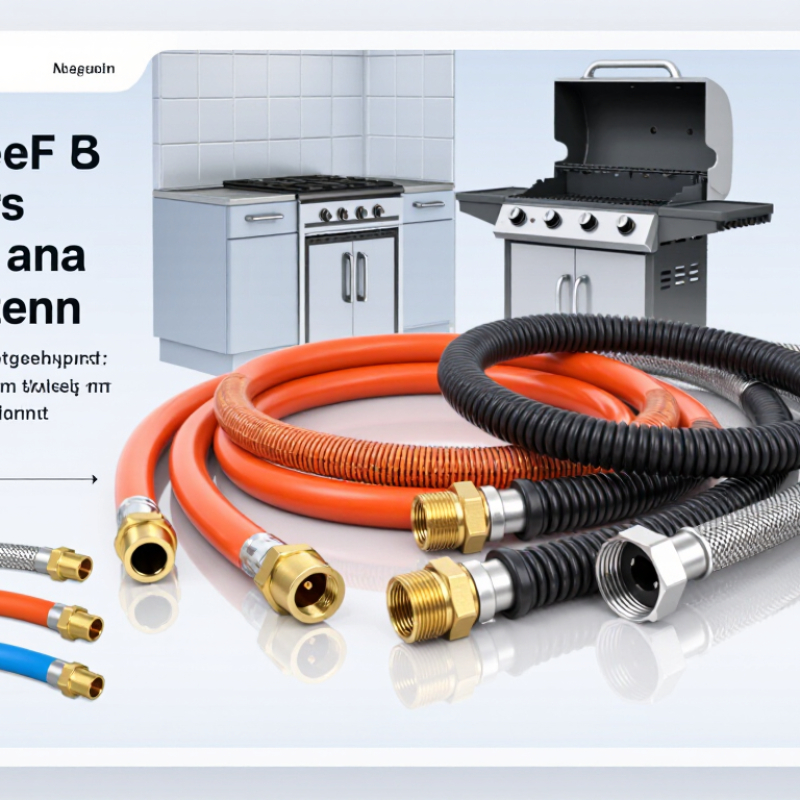
A gas hose is a flexible conduit that transfers fuel from a supply point to an appliance. It is not simply a rubber tube. Depending on its intended gas and working conditions, it may have an inner layer that resists fuel, reinforcing fibers or wire, and a protective outer cover. The reinforcement helps it withstand pressure and movement. End fittings form the sealed connections.
Small details matter.
Fuel moves through the hose because pressure pushes it toward the appliance’s inlet or burner. The hose must match the gas type, pressure, temperature range, and connection design specified for the equipment. A hose that fits physically may still be unsuitable.
Not always obvious.
Kinks, abrasion against a sharp cabinet edge, heat exposure, and loose fittings can weaken the assembly. Check for cracks, bulges, stiffness, or damaged ends, following the equipment’s inspection guidance.
Never patch or improvise a gas connection. If its condition or compatibility is uncertain, ask a qualified technician to select and install a replacement.
Even a tidy-looking hose deserves a closer look.
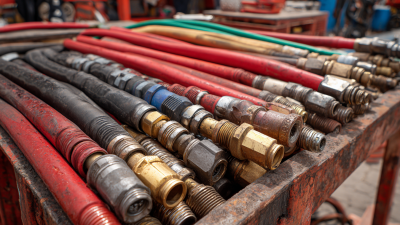
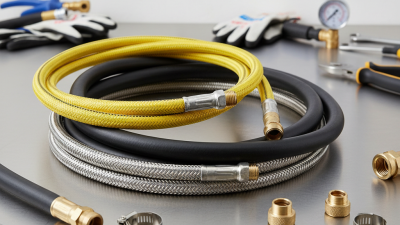
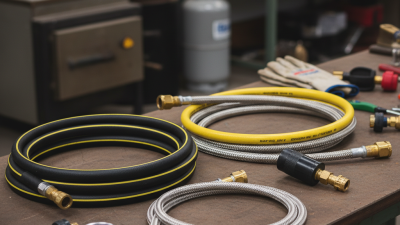
Gas hoses vary by construction, and the material affects flexibility, durability, and where a hose can be used. Stainless-steel corrugated hoses resist kinking and tolerate heat better than many soft hoses. Their braided outer layer can help protect the inner tube from abrasion. They are useful where an appliance needs a flexible connection, but sharp bends can still stress the metal. It is easy to overlook that detail.
Rubber or synthetic-elastomer hoses, often reinforced with textile or wire, are flexible and simple to route around corners. Their service life depends on the material, heat exposure, and contact with oils or cleaning products. Thermoplastic hoses can be lightweight and resistant to certain chemicals, but their temperature and pressure limits vary. A hose that looks sturdy may not suit every gas type. Check its markings.
Some installations use rigid copper tubing rather than a flexible hose. The right choice depends on the appliance, connection points, and local requirements. Match the hose to the specified gas, pressure, and temperature range; do not judge by diameter alone. Inspect for cracks, bulges, corrosion, or loose fittings. If the markings are unclear, pause and ask a qualified gas professional rather than guessing.
| Hose Type | Typical Materials and Construction | Common Uses | Key Advantages | Limitations and Selection Notes |
|---|---|---|---|---|
| Reinforced rubber gas hose | Usually a gas-resistant synthetic-rubber inner tube, textile reinforcement, and a protective rubber outer cover. Exact compounds vary by product. | Suitable, certified models are commonly used for connecting LPG cylinders to compatible appliances, such as outdoor cookers or heaters. | Flexible, relatively easy to route, and available in practical lengths for portable or movable equipment. | Can age or suffer damage from heat, sunlight, abrasion, oil, or kinking. Check the hose’s gas type, pressure rating, service conditions, certification, and replacement guidance. |
| Thermoplastic gas hose | Made from one or more polymer layers, sometimes with textile reinforcement and a protective outer layer. The polymer formulation depends on the intended gas and service conditions. | Used in some purpose-designed LPG or natural-gas assemblies and equipment connections where the product is approved for that application. | Can be lightweight and flexible; some designs offer resistance to weathering or abrasion. | “Thermoplastic” alone does not establish gas compatibility. Confirm the exact fuel, pressure, temperature range, installation location, and applicable local approval. |
| Corrugated stainless-steel hose assembly | Flexible corrugated stainless-steel tubing, often supplied as a complete assembly with end fittings; some products include a protective coating or covering. | Used in approved gas installations and appliance connections where local rules and the product’s instructions permit it. | Metal construction can provide good resistance to heat and corrosion when correctly specified and installed; the corrugated form allows flexibility. | Must be selected and installed as an approved assembly. Avoid twisting, crushing, sharp bends, or contact with incompatible materials; follow bonding and protection requirements where applicable. |
| Flexible metal appliance connector | Typically a corrugated stainless-steel or other approved metal tube with factory-fitted end connectors and, on some models, a protective coating. | Connecting certain fixed household appliances to a gas supply, where the connector is approved for that appliance and installation. | Factory-made fittings can simplify connection, and the flexible construction can help accommodate appliance positioning. | Not interchangeable with every gas hose. Use the specified connector type and length; do not conceal or reuse a connector unless its instructions and local rules allow it. |
How to choose: There is no single best gas hose for every installation. Match the hose assembly to the gas (such as LPG or natural gas), operating pressure, appliance, environment, fittings, and local regulations. Use a product approved for the intended service, follow the manufacturer’s instructions, and have fixed gas connections installed or checked by a qualified professional.
How Hose Design Affects Safety and Performance
The best gas hose is the one designed for its fuel, pressure, temperature, and surroundings—not simply the thickest one. A flexible, gas-rated hose with suitable reinforcement resists pressure and everyday movement. Its inner layer must also limit gas permeation. Check that the hose and fittings are specified as a compatible assembly. Small details matter.
Hose length and bend radius affect performance, too. A line pulled tight can strain its connections; a sharp bend can restrict flow or damage reinforcement. EIA’s Natural Gas Annual reports U.S. residential natural-gas consumption of roughly 4.6 trillion cubic feet in 2023. That figure describes widespread use, not hose failures, but it underscores why dependable connections matter in ordinary homes.
Choose a hose rated for the exact gas and operating conditions, and follow its stated service life and inspection guidance. Look for cracking, bulges, abrasion, corrosion at fittings, or a persistent gas odor. Never treat appearance alone as proof of safety. Even a correctly specified hose can be installed with a twist or routed against a hot surface—easy mistakes to overlook. Use a qualified installer when the connection or requirements are unclear.
The best gas hose depends on the fuel, appliance, and conditions around the connection. Natural gas and propane systems can require different hose specifications, so check the appliance manual and hose markings before buying. Match the fuel, pressure rating, connector size, and fitting type. Fit matters.
For a cooker or dryer, use a connector rated for that appliance and its installation location. Outdoor exposure calls for materials and coverings rated for sunlight, moisture, and temperature changes. A hose that rubs against a sharp cabinet edge can wear even when its surface looks sound. I remain wary of “universal” claims; the manual is a better guide. Never force mismatched threads or adaptors.
NFPA’s Fire Loss in the United States During 2023 estimated 1.39 million fires that year. That figure is not specific to gas hoses, but it shows why careful installation and maintenance matter. Check for cracking, corrosion, kinks, or loose fittings, and follow the manufacturer’s replacement schedule. If you smell gas, leave the area and contact the gas supplier or emergency services from a safe location.
What Is the Best Type of Gas Hose in 2026?
In 2026, the best gas hose is one approved for your appliance, fuel type, pressure, and installation location. Material alone does not prove safety. Check the hose label and documentation for the certification required in your region. Requirements can vary, so confirm them with the appliance instructions or a qualified gas professional. The hose should fit without stretching, tight bends, or contact with hot surfaces and sharp edges.
Inspect the full hose and its connections regularly, and follow the maker’s replacement schedule. Look for cracks, bulges, kinks, flattened sections, corrosion, or loose fittings. A clean outer surface is not proof that the hose is sound. Looks can deceive. If you notice damage or smell gas, stop using the appliance and seek qualified help. Never check for leaks with a flame; use an approved method or ask a professional.
A common oversight is checking only the visible middle of the hose. Examine the connection points too, without forcing or twisting them. Keep the inspection simple, but do not guess about age or compatibility. If the label is unreadable or the hose’s history is unknown, get expert advice before continued use.
Choose a hose approved for the gas, appliance, pressure and location. Material alone does not determine whether a hose is safe or suitable.
Checklist chart: each bar represents one item to verify, not a product rating. Check the hose markings and manufacturer instructions, and follow the standards and inspection rules applicable where it is installed. Replace a hose that is damaged or beyond its stated service life. After installation, check for leaks using an approved method—never a flame.