Choosing among the 10 Best Rubber Expansion Joint Suppliers in 2026 requires more than comparing prices. These components protect piping systems from vibration, thermal movement, pressure changes, and alignment errors. A reliable supplier should understand how rubber compounds perform in water, chemicals, steam, and outdoor environments. Material selection matters.
This guide examines manufacturers through practical purchasing criteria. These include product quality, engineering support, production capacity, testing procedures, certifications, delivery reliability, and after-sales service. We also consider whether suppliers provide clear technical drawings, pressure ratings, temperature limits, and installation guidance. Details matter. A flange hole pattern or rubber grade can determine whether a joint fits safely.
The evaluation reflects real project concerns rather than promotional claims. Strong suppliers should explain their testing methods and provide traceable documentation when requested. They should also help customers select the right rubber expansion joint for movement, media, and operating conditions. No ranking is flawless. Supplier performance can vary by region, order size, and application complexity. Some companies may excel in custom designs, while others offer faster standard production. Readers should verify current certifications, lead times, warranty terms, and references before placing an order. The final shortlist aims to support informed decisions, not replace professional engineering review. A careful choice today can reduce leakage, noise, maintenance interruptions, and costly replacement work later.
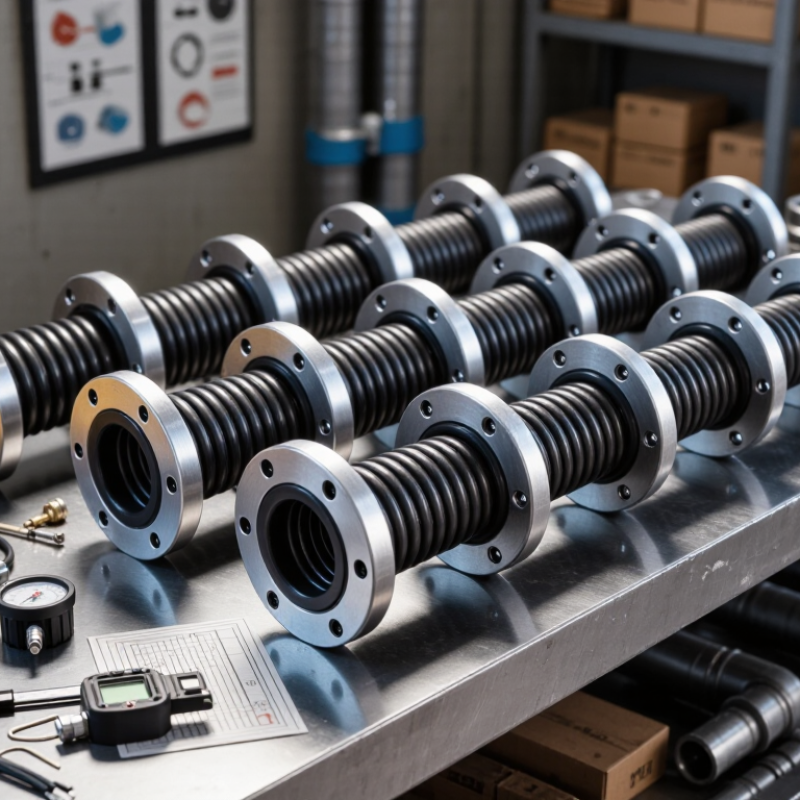
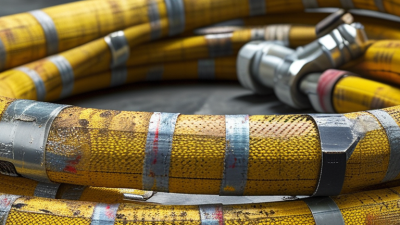
Rubber expansion joints are flexible connectors installed between pipes, pumps, valves, and equipment. They usually contain a rubber body, reinforced fabric layers, and flanged ends. The body bends, compresses, and stretches as connected equipment moves.
Their main job is to absorb vibration, thermal expansion, installation misalignment, and small pipe movements. Imagine a pump starting at 1,450 rpm. Without a flexible section, vibration can travel through rigid steel and loosen nearby supports. The joint interrupts that path. It also reduces noise and protects equipment from stress. However, it is not a cure for poor pipe design. Excessive pressure, twisting, or unsupported weight can cause early failure.
Selecting a supplier in 2026 requires more than comparing prices. Check pressure ratings, temperature limits, reinforcement details, testing records, and application experience. Reliable technical support matters when fluid chemistry changes. Field inspections often reveal specifications that omit movement limits. That small gap can become an expensive mistake.
Tips: Measure face-to-face length carefully. Confirm flange standards and bolt patterns. Match the rubber compound to the conveyed medium. Inspect for cracks, bulges, or exposed reinforcement during maintenance. Keep anchors and guides correctly positioned. Never let the joint carry pipe weight. When uncertain, request written calculations and installation instructions. A second review is worthwhile.

Rubber expansion joints absorb movement, vibration, and minor pipe misalignment in demanding industrial systems. Their flexible body also reduces noise transfer through connected equipment. The correct type depends on pressure, temperature, motion, and the conveyed medium.
Single-sphere joints suit pumps, fans, and water pipelines where vibration is the main concern. Twin-sphere designs provide greater movement capacity and help protect longer pipe runs. Flanged spool joints fit chemical processing and cooling-water systems, especially where installation space is limited. Hinged and tied joints control movement in larger pipelines, but they need accurate restraint design.
Different rubber compounds serve different conditions. EPDM performs well with water, steam, and weather exposure. Nitrile rubber handles many oils and fuels more effectively. Neoprene offers useful resistance to ozone and moderate chemicals. PTFE-lined joints are considered when aggressive media create compatibility concerns. Material charts help, but field conditions can still surprise engineers.
During inspections, I look for bulging, cracking, flange distortion, and unusual surface wear. A joint may appear sound while hidden reinforcement has weakened. Installation errors are common. Excessive stretching, poor alignment, and unsupported valves can shorten service life quickly. I once reviewed a system where vibration continued after replacement because the nearby pipe support remained loose. The joint was blamed first, unfairly. A reliable specification should state movement limits, test pressure, temperature range, face-to-face length, and inspection intervals. Some projects still omit these details. That omission deserves another review.
Evaluating rubber expansion joint suppliers in 2026 requires more than comparing catalog prices. Start with verified application experience. The supplier should explain movement, pressure, temperature, media, and pipe alignment using your actual operating conditions. Ask for test records, material traceability, and installation guidance. Rubber grade matters. A joint exposed to hot oil needs different resistance than one carrying chilled water.
Quality systems provide useful evidence, but certificates are not enough. The ISO Survey 2023 recorded more than 1.2 million ISO 9001 certificates worldwide, showing broad adoption but not guaranteed product performance. Check whether the certificate covers design, molding, testing, and corrective actions. Request batch-level inspection reports, including hydrostatic pressure, vacuum resistance, flange dimensions, and visual defects. Small details matter here.
Supplier reliability also includes engineering response and delivery control. McKinsey research commonly links predictive maintenance with 30–50% lower machine downtime, making condition-monitoring advice increasingly valuable. A capable supplier should recommend inspection intervals and failure indicators, not simply sell replacements. Review lead-time records, spare-part availability, and documented complaints. The cheapest quote may hide weak testing or inconsistent rubber compounds. I would still question my own scoring model: a polished audit can overlook field failures, while a smaller supplier may provide better technical attention. References from similar plants remain essential.
Supplier evaluation framework based on technical performance, compliance, service capability, and total cost of ownership.
| No. | Evaluation Criterion | Recommended Benchmark for 2026 | Evidence to Request | Weight | Score |
|---|---|---|---|---|---|
| 1 | Rubber Compound Quality | Compound selected for the actual medium, temperature, pressure, ozone, weather, and abrasion conditions; material certificates should identify elastomer type and batch. | Material datasheet, batch traceability record, hardness data, and independent test reports. | 15% | 0–10 |
| 2 | Pressure and Temperature Rating | Published working pressure, test pressure, vacuum rating, and temperature range must cover the application with an appropriate safety margin. | Pressure-temperature chart, hydrostatic test procedure, vacuum data, and design calculations. | 15% | 0–10 |
| 3 | Dimensional and Movement Capability | The joint should accommodate specified axial compression, axial extension, lateral movement, angular deflection, and piping misalignment without exceeding design limits. | Dimensional drawings, movement limits, spring-rate data, and installation guidelines. | 12% | 0–10 |
| 4 | Reinforcement and Flange Construction | Reinforcing layers, retaining rings, face-to-face dimensions, and flange drilling should match the project specification and applicable piping requirements. | Cross-sectional drawings, flange standards, dimensional inspection reports, and pressure-test records. | 10% | 0–10 |
| 5 | Standards and Certification | A documented quality system, commonly ISO 9001, plus product testing aligned with the project specification and relevant rubber or piping standards. | Current certificates, scope statements, audit summaries, declarations of conformity, and product test reports. | 12% | 0–10 |
| 6 | Testing and Quality Control | Routine inspection should cover dimensions, hardness, appearance, flange integrity, leakage, and pressure performance, with nonconformance control. | Inspection and test plan, sample reports, calibration records, corrective-action procedure, and final release documents. | 12% | 0–10 |
| 7 | Application Engineering Support | Technical support should address anchor points, guides, tie rods, allowable movement, installation alignment, and system loads before order confirmation. | Engineering calculations, selection questionnaire, application review process, drawings, and installation manual. | 10% | 0–10 |
| 8 | Lead Time and Supply Capacity | Quoted lead times should be realistic, with documented production capacity, raw-material planning, and contingency arrangements for critical projects. | Capacity statement, production schedule, on-time delivery history, inventory policy, and business-continuity plan. | 8% | 0–10 |
| 9 | Warranty and After-Sales Service | Warranty terms should define coverage, exclusions, service response times, failure investigation, replacement procedure, and technical support after installation. | Warranty document, service-level commitments, failure-analysis procedure, references, and spare-parts policy. | 3% | 0–10 |
| 10 | Total Cost of Ownership | Compare purchase price with freight, installation requirements, inspection, expected service life, replacement frequency, downtime risk, and disposal considerations. | Itemized quotation, freight terms, lifecycle assumptions, maintenance guidance, and cost-of-failure analysis. | 3% | 0–10 |
| Total Evaluation Weight | 100% | 100 | |||
Scoring method: Rate each criterion from 0 to 10, multiply the score by the assigned weight, and add the weighted results. A supplier should normally achieve at least 7.0 out of 10 overall and pass all mandatory safety, pressure, material, and dimensional requirements.
10 Best Rubber Expansion Joint Suppliers in 2026
Choosing among the 10 best rubber expansion joint suppliers in 2026 requires more than comparing prices. Reliable suppliers should provide tested materials, accurate dimensions, and clear technical documents. Their joints must handle vibration, thermal movement, pressure changes, and chemical exposure in real operating conditions.
Experienced buyers inspect reinforcement layers, flange quality, temperature ratings, and service-life data. A supplier with strong engineering support can help match the joint to pumps, pipelines, cooling systems, or industrial equipment. Certifications matter, but they should support practical evidence, not replace it. Ask for inspection records, pressure-test results, and installation guidance. Small documentation gaps can create expensive delays later.
Tips: Confirm media compatibility before ordering. Measure face-to-face length carefully. Check bolt patterns twice. Request samples when the application is unusual.
A dependable supplier also explains limitations honestly. Some rubber compounds perform well with water but weaken under oils, solvents, or high heat. This detail is easy to overlook. Delivery consistency, replacement support, and responsive communication also affect long-term value. In my experience, technical answers are often more useful than polished sales claims. Still, supplier evaluations can be imperfect because field conditions change. A joint that performs well in one plant may fail early elsewhere due to alignment, anchoring, or unexpected pressure surges. Inspect the full installation, not only the product.
Technical screening reference: typical continuous service-temperature limits for commonly used elastomers in rubber expansion joints. Actual performance depends on compound formulation, pressure, media, movement, and operating conditions.
EPDM is commonly selected for hot water, steam, and weathering resistance, while FKM and silicone are preferred for higher-temperature applications. NBR, neoprene, and butyl rubber remain widely used for more specific oil, weather, and chemical-resistance requirements. Always confirm the supplier’s certified operating range before specification.
Selecting the right rubber expansion joint supplier requires more than comparing prices. A reliable supplier should understand pipe movement, temperature changes, pressure, vibration, and installation limits. Ask for material specifications, dimensional drawings, pressure ratings, and test records. These documents reveal whether the supplier follows a controlled manufacturing process.
Practical experience matters. During project reviews, inspect how suppliers calculate movement and choose reinforcement layers. A suitable joint should fit the system, not merely match a catalog size. Request references from similar industries and examine service history. Clear answers are important. Vague promises are not enough. I have seen low-cost joints fail because the rubber compound suited water, but not hot chemicals. That mistake was avoidable.
Tips: Check the actual operating temperature and pressure. Confirm flange drilling, face-to-face length, and movement allowance. Ask how samples are tested before shipment. Review storage guidance, warranty terms, and replacement support. A supplier with technical engineers can help when site conditions change. However, do not accept every recommendation blindly. Independent inspection may be worthwhile for critical systems. Also, supplier rankings can change quickly, so a “best” list should support research rather than replace it. Reliability comes from evidence, communication, and consistent performance after installation.