Why Choose a Butterfly Valve for Your Application?
Choosing a butterfly valve is not merely a matter of saving space. It is a decision about flow, pressure, maintenance, and the cost of getting the details wrong. A quarter-turn handle or actuator moves a disc across the pipe, making operation quick and visually easy to understand. In a cramped pump room, that compact body can simplify installation. But a disc remains in the flow path, and that matters. Performance depends on the fluid, operating range, seat material, and installation.
The U.S. Department of Energy’s Improving Pumping System Performance: A Sourcebook for Industry reports that pumping systems use nearly 20% of global electricity demand, with some industrial systems consuming 25–50% of plant energy. That figure does not make a butterfly valve an energy-saving guarantee. It does show why sound system design matters. A poorly matched valve can create avoidable resistance or unstable control. Small choices add up.
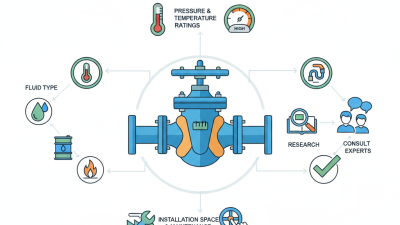
Valve author Philip L. Skousen’s Valve Handbook offers a practical selection principle: match valve design to the service conditions. Start with the basics. What is flowing? What pressure and temperature will the valve face? Will it isolate, regulate, or do both? A chilled-water line, a slurry pipe, and a chemical process need different considerations. Check the manufacturer’s pressure-temperature ratings, leakage class, and material compatibility before choosing. Then consider access for maintenance. The honest answer is that no valve suits every line. Butterfly valves can be a strong fit, but only when the application fits the valve.
How a Butterfly Valve Regulates Flow
Why Choose a Butterfly Valve for Your Application?
How a Butterfly Valve Regulates Flow
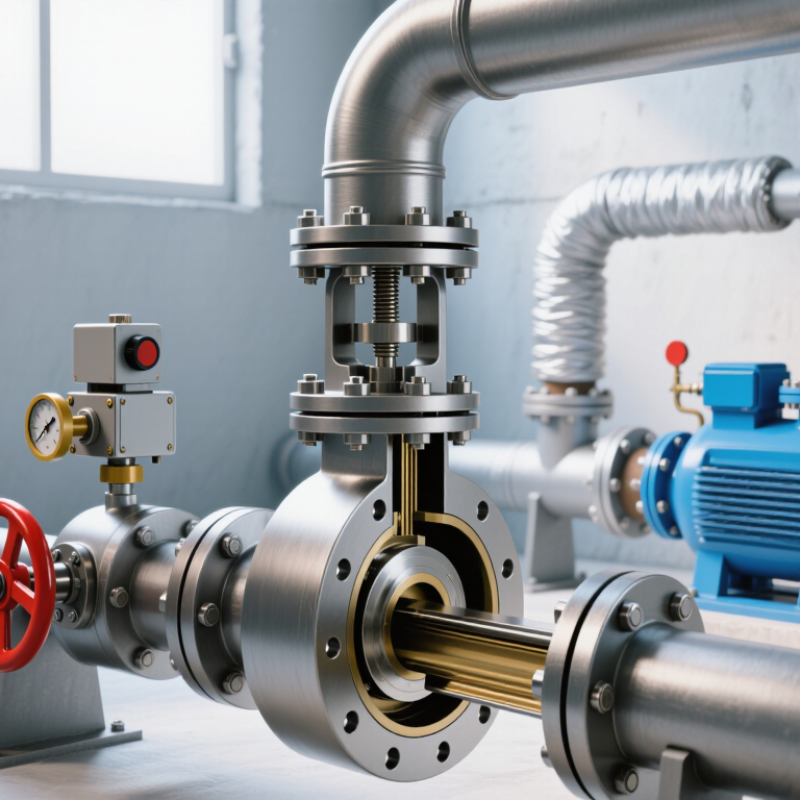
A butterfly valve regulates flow with a circular disc that turns inside the pipe. At full opening, the disc aligns with the flow; as it rotates, it blocks more of the passage and increases resistance. The motion is quick, but flow does not change in a perfectly straight line with disc angle. Pipe size, fluid speed, and pressure all affect the result. That detail matters.
The U.S. Department of Energy’s Improving Pumping System Performance: A Sourcebook for Industry reports that pumping systems use nearly 20% of global electricity and 25–50% of energy in some industrial operations. This is system-wide context, not a promise that a valve will deliver those savings. A poorly sized valve can create excess pressure loss. At small openings, turbulence, noise, and vibration may also develop. A tidy quarter-turn diagram can make real piping seem simpler than it is.
Tips: Check the valve’s flow coefficient and compare upstream and downstream pressure under actual operating conditions. Avoid choosing by pipe diameter alone. Leave room to review the selection; fluid properties or control needs may change the answer.
Key Components and Operating Principles
A butterfly valve looks simple from the outside, but its sealing depends on several parts working together. The body sits between pipe flanges, while a circular disc controls the flow. A stem connects the disc to a lever or actuator and transfers turning force. The seat, often made from an elastomer or metal, forms the sealing surface. Small details matter: a worn seat or misaligned stem can cause leakage even when the handle reaches its closed position.
Most designs open or close with a quarter-turn. As the stem rotates, the disc turns across the flow path; at intermediate angles, it can regulate flow, though the pressure drop and control response vary by design. The U.S. Department of Energy’s Improving Pumping System Performance sourcebook reports that pumping systems use nearly 20% of global electricity demand, and can account for 25–50% of energy use in some industrial operations. That figure describes entire pumping systems, not savings from one valve. Still, it highlights why valve sizing and pressure loss deserve attention. I would not assume a butterfly valve suits every service. Abrasive media, high temperatures, or demanding shutoff conditions may call for a different seat or valve type. Operators should check the service conditions and inspect the sealing surfaces over time.
Advantages of Butterfly Valves in Piping Systems
Why Choose a Butterfly Valve for Your Application?
Advantages of Butterfly Valves in Piping Systems
Butterfly valves suit many piping systems because they combine compact construction with quick operation. A quarter-turn moves the disc between open and closed positions, so operators can isolate a line without a long handwheel cycle. Their lighter body can also reduce support demands on larger pipes. In a crowded plant room, that smaller footprint may make installation and access easier.
The disc remains in the flow path when the valve is open, creating some resistance. For many water, air, and compatible process lines, this trade-off is acceptable. Performance still depends on the service conditions. Check pressure, temperature, fluid compatibility, and the required shutoff level before selecting seat and disc materials. Butterfly valves can regulate flow in some applications, but they may not provide precise control at every opening. I have seen selection become too focused on purchase price; that can overlook maintenance access and replacement needs.
Tips: Confirm the pipe alignment before tightening the flanges. Uneven loading can affect sealing. Check the actuator’s torque rating against operating conditions, especially if deposits may build up. Leave enough clearance for the handle or actuator, and verify the valve’s preferred installation direction in its technical documentation.
Why Choose a Butterfly Valve for Your Application?
Many butterfly valves use quarter-turn operation: the disc rotates about 90° between closed and open. This simple motion can support quick operation and a compact valve arrangement. Actual operating characteristics depend on valve design and actuator.
Applications Best Suited to Butterfly Valves
Butterfly valves are often a practical choice for large water lines where space, weight, and quick operation matter. Their quarter-turn action can open or close flow with a short handle movement or actuator cycle. In a treatment plant, for example, an operator may use one to isolate a filter line during maintenance. They also suit HVAC systems, irrigation networks, and general process piping that carries compatible liquids.
They are not ideal everywhere. For clean, low-pressure services, a properly selected valve can provide dependable shutoff without the bulk of some other valve types. But abrasive solids, high temperatures, or demanding pressure conditions call for closer review of the disc, seat, and body materials. Flow control matters, too: a butterfly valve may work for basic throttling, but it may not provide the fine adjustment a sensitive process needs. Check the pressure drop and operating range against actual system data. Small details count.
A specification sheet can look complete and still miss frequent cycling or grit in the flow. That trade-off matters. Selection should reflect the fluid, line size, pressure, temperature, and maintenance access—not just the purchase price.
Factors to Consider When Selecting a Butterfly Valve
Selecting a butterfly valve starts with the service conditions, not the pipe size alone. Record the fluid, operating temperature, pressure range, and expected flow rate. A valve handling clean water may need different seat materials from one exposed to abrasive particles or corrosive chemicals. Compatibility matters. Check the valve body, disc, and seat materials against the actual fluid, including any cleaning chemicals used in the line.
Consider how often the valve will operate and how precisely flow must be controlled. Quarter-turn operation can make a butterfly valve practical where space is tight or frequent shutoff is needed. But throttling performance varies by design and operating range. Ask for the valve’s flow characteristics and allowable pressure drop, especially if the valve will spend long periods partly open. Not always.
Connection style and face-to-face dimensions affect installation. Confirm the pipe standard, available clearance, and whether nearby elbows or pumps could disturb flow. Also check actuator type, power availability, and the consequences of losing power. Manual operation may suit occasional adjustment; automated service calls for appropriate controls and feedback. A detail that is easy to miss: leave enough room to remove the valve or actuator during maintenance. Compare the manufacturer’s published ratings with your real operating conditions, and have a qualified engineer review unusual temperatures, pressure surges, or solids in the flow.