China Top 10 Clear PVC Pipe Manufacturers in 2026?
Choosing a clear PVC pipe supplier in 2026 takes more than comparing catalog photos or quoted prices. Clarity matters, but so do wall thickness, outside diameter, pressure rating, temperature limits, and chemical compatibility. A pipe that looks crystal clear may still be unsuitable for a demanding installation. Details matter. Buyers should review current datasheets, dimensional tolerances, fitting options, production capacity, and sample availability. Ask how each manufacturer checks haze, scratches, and consistency between production batches. These checks can reveal more than polished marketing language.
This guide introduces ten manufacturers for buyers to compare, not as a substitute for technical evaluation. Product ranges, manufacturing capabilities, and export experience can vary by company and market. Some details may also change during the year. Verify specifications directly with each supplier before placing an order. Request recent test reports, confirm whether stated ratings apply to the exact pipe size, and check lead times in writing. A short sample run can help assess transparency, cut quality, and fit with existing connectors. Keep in mind that clear PVC pipe is not automatically suitable for every fluid, pressure, or operating environment. The best choice depends on the application, not just the brand. There is no perfect comparison; available public information can be uneven. Still, careful checks make this shortlist a practical starting point.
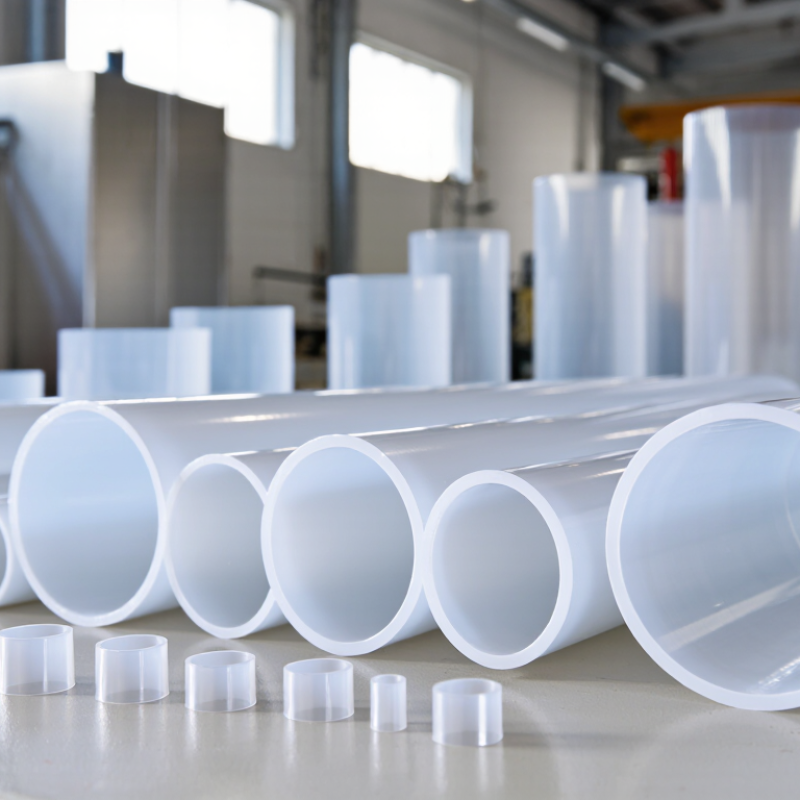
What Clear PVC Pipe Is and How It Is Used
Clear PVC pipe is a rigid, transparent form of polyvinyl chloride tubing. Unlike opaque pipe, it lets operators see what is moving inside. A glance may reveal trapped air, cloudy water, or particles collecting near a bend. That visual access can make routine checks faster.
It is commonly used in aquariums, water features, laboratory setups, and selected industrial process lines. In a small recirculating system, for example, a clear section can help confirm that water is flowing steadily. Installers also use it where a visible line helps with troubleshooting. That is useful. But clear pipe is not automatically suitable for every fluid or pressure.
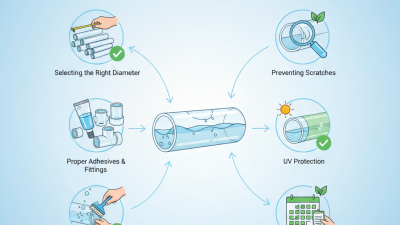
Check the pipe’s stated pressure and temperature limits before installation. Chemical compatibility matters, too, and outdoor sunlight may discolor some materials over time. Clear walls can also encourage assumptions: seeing liquid does not confirm its quality or safety. Not always. For drinking-water, food-contact, or other sensitive uses, verify that the specific pipe is rated for the application. A practical setup should include supported joints, room for inspection, and a replacement plan if the pipe clouds or cracks.
China’s Clear PVC Pipe Industry and Its 2026 Market Landscape
China’s clear PVC pipe industry in 2026 is shaped by a vast upstream plastics sector, but public data rarely isolates transparent pipe from other PVC products. The China Chlor-Alkali Industry Association reported roughly 28 million tonnes of PVC capacity and about 22.5 million tonnes of output in 2023. These figures indicate strong resin availability, not clear-pipe sales. Not the same thing.
The National Bureau of Statistics reported 74.89 million tonnes of plastic-product output in 2023, a broad measure that includes many product categories. For clear pipe, market prospects depend on practical factors: optical clarity, wall thickness, pressure rating, and resistance to yellowing. A sample may look clear under showroom lights yet reveal haze or uneven walls when held against a bright window. Buyers should request test data and check whether stated dimensions match measured samples. Resin supply supports production, but it does not guarantee consistent quality. In 2026, that gap remains worth watching.
How to Assess Clear PVC Pipe Manufacturers
Assessing clear PVC pipe manufacturers requires more than comparing photographs or quoted prices. Ask for the exact resin grade, pipe dimensions, wall-thickness tolerances, and intended pressure and temperature range. Clear PVC is not automatically suitable for every fluid or outdoor setting. Request batch-specific test reports for pressure, impact, and chemical compatibility, plus a certificate of analysis that matches the shipped lot. Check whether the tests follow relevant product standards, such as ASTM D1785 or ISO 1452, where applicable. Standards coverage can vary for transparent formulations, so verify the scope.
Manufacturing controls matter. Review extrusion-line checks, calibration records, and procedures for rejecting pipes with bubbles, haze, or uneven walls. Ask how the supplier traces resin batches and handles defects. A clear sample may look flawless while hiding weak quality controls. This is easy to overlook. If possible, inspect a production run or commission independent testing before a large order.
Industry context helps explain why material knowledge matters. Plastics Europe’s Plastics – the Fast Facts 2023 report estimates that PVC accounted for 12.6% of global plastics production in 2022. That figure does not certify any pipe, but it shows PVC is a substantial material category. Compare manufacturers on documented performance, consistent dimensions, lead times, packaging, and after-sales support—not claims alone. Some suppliers may lack complete records; treat that as a point to investigate, not a detail to wave away.
Profiles of 10 Clear PVC Pipe Manufacturers in China
China’s clear PVC pipe market includes manufacturers with different production strengths. One profile is the high-volume extruder, suited to repeat orders and standard sizes. Another focuses on small-diameter tubing for compact equipment. A third offers thicker walls for applications that need added rigidity. A fourth makes pipes to custom dimensions. Small runs matter, too.
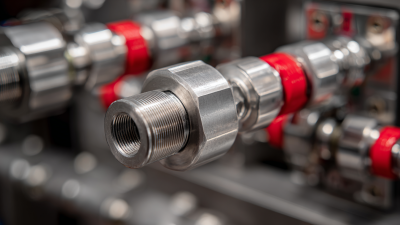
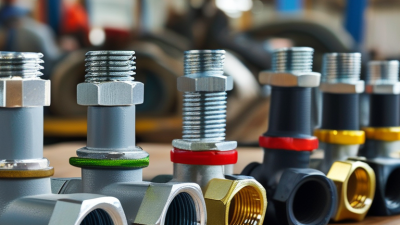
A fifth profile prioritizes visual clarity, where haze and surface marks can affect inspection. A sixth supplies compatible fittings alongside pipe. A seventh handles lower-volume or specialized orders, though lead times may vary. An eighth emphasizes protective packaging for long-distance shipping. These differences are practical, not proof of quality. Ask for actual samples.
The ninth manufacturer type highlights routine checks, such as outside diameter, wall thickness, and batch consistency. The tenth offers technical support for selecting dimensions and installation conditions. This grouping is imperfect; suppliers often cover several roles at once. Buyers should compare current data sheets, sample measurements, and written tolerances rather than relying on a “clear” appearance alone. Transparency is only one property.
Clear PVC Pipe: Typical Material Benchmarks for 2026
Representative properties of clear, rigid PVC can help buyers understand the material behind manufacturer specifications. Values vary by formulation and product; these are general benchmarks, not company-specific data.
Bars show representative midpoints of typical ranges. Units differ by property, so bar heights should not be compared directly. Always verify the exact grade, test method, pressure rating, and temperature limits with the supplier.