Call Us

(905) 670-0113

Top Stainless Steel Braided Hose Manufacturers Worldwide?

Choosing among the top stainless steel braided hose manufacturers worldwide requires more than comparing catalog prices. Industrial buyers must examine materials, production controls, testing methods, and field performance. A polished website proves very little.

Reliable manufacturers usually explain their stainless steel grade, braid construction, pressure ratings, temperature limits, and connection options. They should provide traceable certificates, dimensional records, and documented quality procedures. Experience also matters. A hose used beside a vibrating pump faces different stresses from one installed in a clean processing line.

Look closely at manufacturing details. Smooth braiding reduces snagging and may improve durability. Carefully formed end fittings help prevent leakage under repeated movement. Pressure testing, impulse testing, and visual inspection reveal how seriously a supplier manages risk. Still, published specifications can be incomplete. Ask practical questions about burst pressure, bending radius, corrosion exposure, and replacement support.

This guide compares leading manufacturers through technical capability, product consistency, customization, certifications, and customer service. It considers both established global suppliers and specialized regional producers. Some companies excel in high-volume production. Others offer stronger engineering support or faster custom development.

There is no perfect ranking.

Actual performance depends on installation, media, temperature, and maintenance. A reputable supplier should acknowledge those limits instead of promising universal suitability. Buyers should verify every critical claim against project requirements and applicable standards. That habit supports safer decisions and more dependable long-term operation. Manufacturers may look similar on paper. Their real differences often appear in documentation, communication, and how they respond when specifications become difficult.
Top Stainless Steel Braided Hose Manufacturers Worldwide?

What Is a Stainless Steel Braided Hose?

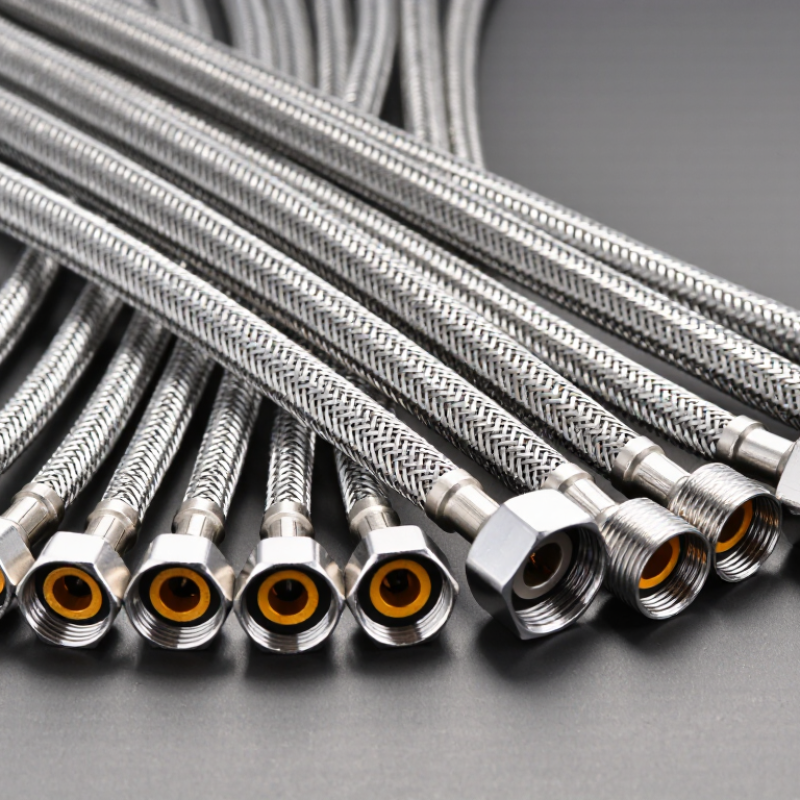
A stainless steel braided hose is a flexible pressure line with an inner tube and an outer metal braid. The inner tube carries water, air, oil, or another approved medium. The stainless steel braid reinforces the tube against pressure and movement. It bends more easily than rigid pipe. It is not indestructible.

The inner tube may use rubber, silicone, or engineered polymer, depending on temperature and chemical exposure. The braid usually contains closely woven stainless steel wires. These wires help control expansion when pressure rises. Correct end fittings create the sealed connection. Poor fitting alignment can twist the hose and shorten its service life.

In practical inspections, abrasion often appears near clamps, sharp edges, or vibrating equipment. A hose should follow its natural bend radius, not a forced curve. Check pressure, temperature, fluid compatibility, fitting material, and installation space before selection. Rated capacity can decrease as temperature increases. That detail is easy to overlook. A polished surface also proves very little. It does not confirm quality, cleanliness, or pressure performance. Regular checks should look for broken wires, corrosion, kinks, leakage, and unusual stiffness. Replacement decisions should follow documented specifications and site conditions, not appearance alone.
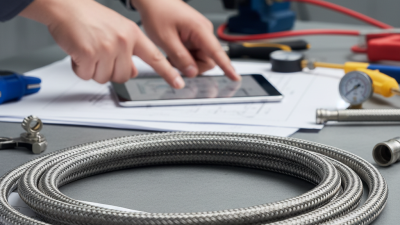
How Stainless Steel Braided Hoses Are Designed and Manufactured

Stainless steel braided hoses begin with service conditions, not appearance. Engineers define pressure, temperature, media, vibration, bend radius, and movement frequency. A corrugated stainless steel tube provides flexibility. One or more braided wire layers control expansion and pressure. The braid angle matters. A tighter angle improves pressure resistance, while a more open angle permits greater movement. This balance is easy to overlook.

Manufacturing starts with strip forming, longitudinal welding, corrugation, and controlled heat treatment. The tube then receives a carefully tensioned braid. Fittings are welded or mechanically attached, depending on the design and application. Each weld should be checked for penetration, alignment, and surface defects. ISO 10380 specifies requirements for corrugated metal hoses, including flexibility and pressure performance. ASME B31.3 also influences hose selection in process piping systems. The details are small, but failures rarely begin dramatically.

Testing normally includes dimensional inspection, leak testing, hydrostatic pressure testing, and, where required, impulse or cyclic bending tests. A 2024 IMARC market report estimates the global industrial hose market reached about US$16.6 billion in 2023, with continued growth expected through 2032. That expansion increases the need for traceability, not just production volume. The U.S. Department of Energy reports that compressed-air systems may lose 20–30% of output through leaks, although this figure is not limited to braided hoses. A practical inspection lesson is simple: a polished braid can hide a weak weld. Design reviews should question material certificates, braid tension, cleaning methods, and test records. Some specifications still leave these points unclear. That deserves correction.

Key Standards for Evaluating Global Hose Manufacturers

Choosing among top stainless steel braided hose manufacturers worldwide requires more than comparing prices or polished catalogs. Evaluate documented performance, traceability, and field experience. ISO 10380 covers corrugated metal hoses and assemblies, including pressure, flexibility, and leakage testing. ISO 18752 addresses rubber hose performance classes and pressure categories. A capable manufacturer should identify the exact standard behind every test certificate.

Look for material certificates covering the stainless steel grade, braid wire, and fittings. Ask whether tests represent production samples or only laboratory prototypes. The 2023 ISO Survey reported more than one million ISO 9001 certificates worldwide, but certification alone does not prove hose quality. It confirms a management system, not every assembly’s durability. The Freedonia Group’s industrial hose analysis also highlights replacement demand as a major market driver. That matters because fatigue resistance often decides lifecycle cost. Field records should show pressure cycles, temperature ranges, media compatibility, and failure investigations. No checklist is perfect.

Tips: Request batch-level traceability and a sample inspection report. Confirm whether working pressure includes safety factors. Check vacuum ratings separately; they are often overlooked. Ask for bend-radius data under movement, not only static conditions. A factory visit can reveal practical details, such as clean assembly benches, capped hose ends, and controlled storage. Still, visual order can mislead. Independent testing remains stronger evidence. Require clear warranty terms, inspection frequency, and corrective-action records before approving a global supplier.

Leading Stainless Steel Braided Hose Manufacturers Worldwide

Leading stainless steel braided hose manufacturers worldwide serve demanding fluid, gas, and thermal applications. Their value is not limited to polished metal or production volume. Experienced manufacturers control tube forming, braid tension, end fitting assembly, and cleaning. These details influence pressure stability, flexibility, and service life. A hose may look strong. Not always.

Reliable producers usually work with documented stainless grades, controlled welding, and traceable batch records. They test assemblies for leakage, pressure resistance, impulse life, and dimensional accuracy. Some also perform vacuum and temperature cycling tests. Ask for test methods, not only certificates. Factory audits can reveal storage damage, inconsistent crimping, or weak inspection routines. In my experience, small production details often explain large field problems. However, published specifications do not guarantee performance in every installation.

Leading manufacturers also support practical engineering decisions. They review media compatibility, operating temperature, pressure peaks, bend radius, and connection geometry. Clear drawings and sample approvals reduce ordering errors. Good technical support should explain limits plainly. Details matter. It should not promise unlimited durability. Buyers should compare verified data, replacement procedures, and response times. Even a well-made hose can shorten its life when twisted, over-bent, or exposed to unplanned vibration. That uncomfortable point deserves attention. Manufacturers that welcome corrective feedback are often more dependable long term.

Top Stainless Steel Braided Hose Manufacturers Worldwide? - Leading Stainless Steel Braided Hose Manufacturers Worldwide

Manufacturing Region Common Hose Construction Typical Stainless Steel Grades Common Nominal Bore Range Typical Working Pressure Range Typical Temperature Range Common End Connections Frequently Referenced Standards Main Application Sectors
North America PTFE inner tube with one or two layers of stainless steel wire braid 304, 316, and 316L Approximately 6–100 mm Approximately 10–250 bar, depending on bore and construction Approximately −60°C to +260°C for PTFE-lined designs NPT, JIC, SAE flange, sanitary clamp, and welded fittings SAE J517 100R14, ASTM A269, ASTM A240, ISO 10380 Chemical processing, hydraulic systems, instrumentation, and food processing
Western Europe Corrugated stainless steel hose with external stainless steel braid or braided PTFE hose 304L, 316L, and other low-carbon austenitic grades Approximately 8–300 mm Approximately 6–200 bar, depending on diameter and braid layers Approximately −200°C to +550°C for suitable metal hose constructions DIN, EN, ISO, hygienic clamp, flanged, threaded, and welded ends EN 10217, EN 10380, ISO 10380, EN 1092 flange systems Pharmaceutical production, cryogenic service, gas handling, and process plants
East Asia PTFE, rubber, or corrugated metal core reinforced with single or double stainless steel braid 304, 304L, 316, and 316L Approximately 6–500 mm Approximately 5–300 bar, with higher ratings available for small-bore assemblies Approximately −70°C to +550°C, depending on liner and hose type BSP, metric, JIC, flanges, sanitary fittings, and custom welded ends ISO 10380, ASTM A269, ASTM A240, SAE J517, and customer specifications Industrial machinery, semiconductor equipment, chemical transfer, and energy systems
South Asia Rubber or PTFE hose with stainless steel braid; corrugated metal hose for high-temperature service 304, 316, 316L, and selected nickel-alloy-lined options Approximately 6–250 mm Approximately 10–250 bar, subject to design and testing requirements Approximately −50°C to +500°C BSP, NPT, flanged, threaded, camlock, and sanitary connections ISO 10380, ASTM A269, ASTM A240, EN, and customer-approved inspection procedures Steam, water, oil, chemical transfer, compressed air, and general industrial service
Middle East Heavy-duty corrugated stainless steel hose with external braid or protective cover 304L, 316L, and corrosion-resistant alloy options for aggressive media Approximately 10–300 mm Approximately 10–200 bar Approximately −40°C to +550°C API-style flanges, ASME flanges, threaded ends, and welded pipe ends ISO 10380, ASTM A240, ASTM A269, ASME B16.5, and project specifications Oil and gas, LNG, refineries, desalination, and petrochemical facilities
Oceania Braided PTFE hose and corrosion-resistant metal hose assemblies for mobile and fixed equipment 304, 316, and 316L Approximately 6–200 mm Approximately 10–250 bar Approximately −60°C to +260°C for PTFE-lined assemblies BSP, metric, JIC, flanged, quick-release, and hygienic connections ISO 10380, ASTM A269, AS/NZS piping requirements, and project standards Mining, marine systems, food processing, water treatment, and industrial maintenance

Note: The values shown are typical industry specification ranges for stainless steel braided hose assemblies. Actual pressure, temperature, bend radius, and service life depend on hose construction, bore size, braid layers, fittings, media, installation, and applicable testing requirements.

How to Select the Right Manufacturer for Your Application

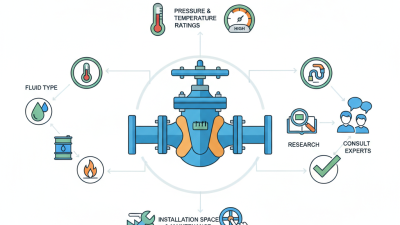
When selecting a stainless steel braided hose manufacturer, start with the application, not the catalog. Record the working pressure, temperature range, fluid, bend radius, and movement frequency. A hose carrying hot oil needs different materials and construction from one handling clean water. Small details matter.

In production reviews, look for practical evidence. Does the manufacturer control tube dimensions, braid coverage, fitting attachment, and cleaning procedures? Ask for pressure-test records, material certificates, batch traceability, and documented inspection points. Reliable suppliers should explain failure limits clearly, rather than promise that every hose suits every system. Check whether testing reflects real installation conditions, including vibration and repeated flexing. Test samples with the actual fittings and fluids whenever possible.

Communication is another useful test. A capable engineering team will ask about routing, torque, support, and maintenance access. It may recommend a different assembly length or fitting angle after reviewing drawings. That is a good sign. I once treated a low unit price as the deciding factor; repeated replacements cost more than the original saving. Supplier selection is not perfectly tidy. Documentation can be incomplete, and field conditions may change. Request a pre-production sample, define acceptance criteria, and confirm lead times in writing. Review how the manufacturer handles nonconforming parts, corrective action, and technical support after delivery.