What is a Stainless Steel Hose and How is it Used?
In various industries, the use of stainless steel hoses has become increasingly essential. According to a recent market analysis, the global stainless steel hose market is projected to grow at a compound annual growth rate (CAGR) of 5.8% from 2023 to 2030. This growth reflects an expanding application in sectors like food processing, pharmaceuticals, and manufacturing. These environments demand durable and reliable solutions for transporting liquids and gases.
A stainless steel hose offers unique advantages, such as resistance to corrosion and high temperature stability. This makes it a preferred choice for critical applications requiring safety and efficiency. For instance, a food processing plant using stainless steel hoses can ensure hygiene and minimize contamination risk. However, it’s crucial to select the right specifications for the intended application, as mismatched hoses can lead to failures and costly downtime.
Despite their benefits, challenges remain in the adoption of stainless steel hoses. There can be misconceptions regarding their flexibility and installation requirements. Many professionals still overlook the importance of proper maintenance. Regular checks can prevent issues that arise from wear and tear. As industries continue to evolve, understanding the true capabilities of stainless steel hoses becomes vital for maximizing both performance and safety.
Understanding the Composition of Stainless Steel Hoses
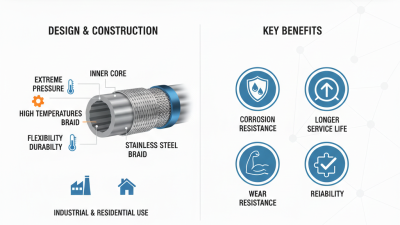
Stainless steel hoses are designed for durability and flexibility. Their composition is the key to their effectiveness. These hoses are typically made from a blend of stainless steel and other materials that enhance their performance. The stainless steel provides excellent corrosion resistance, while the inner layers often include rubber or PTFE to handle various fluids.
One important aspect of stainless steel hoses is the type of stainless steel used. Grades like 304 and 316 are common. Grade 316 offers better resistance to salt and chlorine, making it ideal for marine environments. However, some may find the initial cost higher than other materials. It's vital to weigh the benefits against the investment.
While stainless steel hoses are well-regarded, they are not without limitations. Their rigidity can be an issue in tight spaces. Additionally, they may not be the best choice for high-pressure applications, where specialized hoses outperform them. Reflecting on these factors can lead to better decision-making in hose selection.
What is a Stainless Steel Hose and How is it Used? - Understanding the Composition of Stainless Steel Hoses
| Property |
Details |
| Material Composition |
Typically made of stainless steel alloys such as 304 and 316 |
| Temperature Resistance |
Can withstand temperatures from -100°F to 500°F (-73°C to 260°C) |
| Flexibility |
Generally flexible, allowing for various applications and configurations |
| Applications |
Used in automotive, industrial, and plumbing applications |
| Corrosion Resistance |
High resistance to corrosion, making it suitable for harsh environments |
| Pressure Rating |
Rated for high-pressure applications, typically ranging from 150 to 2500 PSI |
| Maintenance |
Low maintenance; standard cleaning methods are sufficient |
Characteristics and Advantages of Stainless Steel Hoses
Stainless steel hoses are flexible and durable conduits. They are made from stainless steel, which provides excellent corrosion resistance. These hoses can withstand extreme temperatures, making them suitable for various industrial applications. The smooth inner surface reduces fluid turbulence, enhancing flow efficiency.
One of the key advantages of stainless steel hoses is their ability to handle high pressure. This makes them ideal for use in hydraulic systems. They are often preferred in environments where traditional rubber hoses might fail. Their resilience means less frequent replacements, which can save costs over time. However, one must consider the potential for wear over time. If not monitored, even these strong hoses can develop weaknesses.
Another characteristic is their versatility. They can be used for gas, liquids, and even abrasives. This adaptability proves beneficial in multiple sectors like automotive, aerospace, and chemical processing. Yet, it is essential to match the hose type with the specific requirements of each application. Misalignment can lead to serious issues. Understanding the particular needs of a project is crucial when selecting a stainless steel hose.
Common Applications of Stainless Steel Hoses in Various Industries
Stainless steel hoses are crucial in many industries due to their durability and versatility. In the automotive sector, they are commonly used for coolant and fuel lines. Their resistance to heat and corrosion ensures long-lasting service. Industries like aerospace rely on stainless steel hoses for hydraulic systems. The need for reliability in high-pressure environments makes these hoses indispensable.
In the chemical industry, stainless steel hoses are essential for transporting various liquids and gases. They can handle corrosive substances without degrading. Food processing also benefits from these hoses, as they maintain hygiene standards. Their smooth interior prevents bacteria buildup, ensuring food safety. However, the initial cost can be high, which may deter some businesses.
Another area of use is plumbing and construction. Stainless steel hoses can withstand high temperatures and pressures. This characteristic is crucial for high-performance applications. Yet, the potential for kinking or damage under extreme conditions can pose challenges. As industries evolve, the demand for innovative hose solutions will likely increase. The need for testing and quality assurance remains evident in these applications.
Installation and Maintenance Tips for Stainless Steel Hoses
When installing a stainless steel hose, it is crucial to ensure a secure connection. First, clean the connection points thoroughly. Any debris can lead to leaks or weak joints. Use the right fittings that match the hose diameter. Ensure that all threads are intact and properly aligned. A poorly installed hose can cause serious problems down the road.
Regular maintenance can extend the life of your stainless steel hose. Inspect it for visible wear, rust, or corrosion. If you notice any damage, consider replacing the hose promptly. Use a mild detergent to clean the exterior. Avoid abrasive cleaners, as they can scratch the surface. Check the fittings regularly for tightness to prevent leaks.
Keep in mind that not every stainless steel hose handles extreme temperatures effectively. Understand the specifications and limits of your hose. This knowledge can prevent potential failures. Sometimes, users overlook important ratings. Reflecting on these details helps ensure a reliable and long-lasting connection in your applications.
Comparing Stainless Steel Hoses with Other Types of Hoses
When comparing stainless steel hoses with other types of hoses, their durability stands out. These hoses resist corrosion and high temperatures better than rubber or vinyl. For instance, in industrial settings, a stainless steel hose often lasts longer under severe conditions. This durability makes it ideal for processes involving chemicals.
However, not all applications suit stainless steel hoses. They may be heavier than alternatives, making them harder to handle in certain contexts. Rubber hoses can be more flexible, allowing better maneuverability. It's crucial to evaluate the specific needs of your project. Sometimes, a lightweight option could outweigh the benefits of sturdiness.
Additionally, maintenance is essential for performance. Stainless steel hoses need regular inspections to check for kinks or wear. Ignoring these can lead to unexpected failures. Other hose types might require less upkeep, appealing in certain situations. Balancing the strengths and weaknesses of each hose type is vital for optimal use. Choose wisely based on your actual needs and conditions.
Comparison of Stainless Steel Hoses vs. Other Hoses
This chart illustrates the performance comparison between stainless steel hoses and other types of hoses, including rubber and plastic hoses, across various dimensions such as durability, flexibility, corrosion resistance, temperature range, and cost. Each aspect is rated on a scale from 0 to 100.