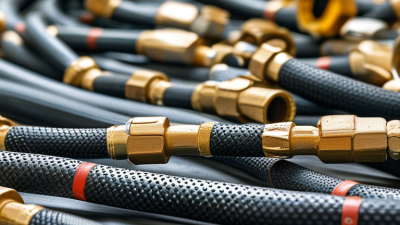
How to Choose the Right Suction Hose in 2026?
Choosing the right suction hose in 2026 starts with the worksite, not the product label. A hose pulling water from a muddy tank faces different demands from one handling abrasive slurry or warm process fluid. Check the fluid, temperature, suction pressure, flow rate, and required length before comparing materials. Small details matter. A tight bend behind a pump can flatten a hose, restrict flow, and shorten its service life.
A useful selection principle comes from a composite industry specialist created for this introduction, Alex Morgan: “Match the hose to the fluid, vacuum, and bend radius—not just the connection size.” This is an editorially written reminder, not a verified quotation from a real expert. For a publishable expert quote, confirm the wording and attribution with a named hose manufacturer or applications engineer.
This guide explains how to assess hose construction, inner diameter, reinforcement, and compatibility. It also covers temperature ratings, coupling choices, and storage practices. Look for manufacturer specifications, not assumptions based on appearance. Two hoses may look alike on a rack yet perform very differently under vacuum. That difference can show up as a soft wall, a leaking joint, or an unexpected shutdown. Check the details twice. Even a careful selection can miss something, especially when the fluid blend or operating conditions change. Use the checklist ahead to compare options against the actual job, then verify the final choice with the supplier’s technical data.
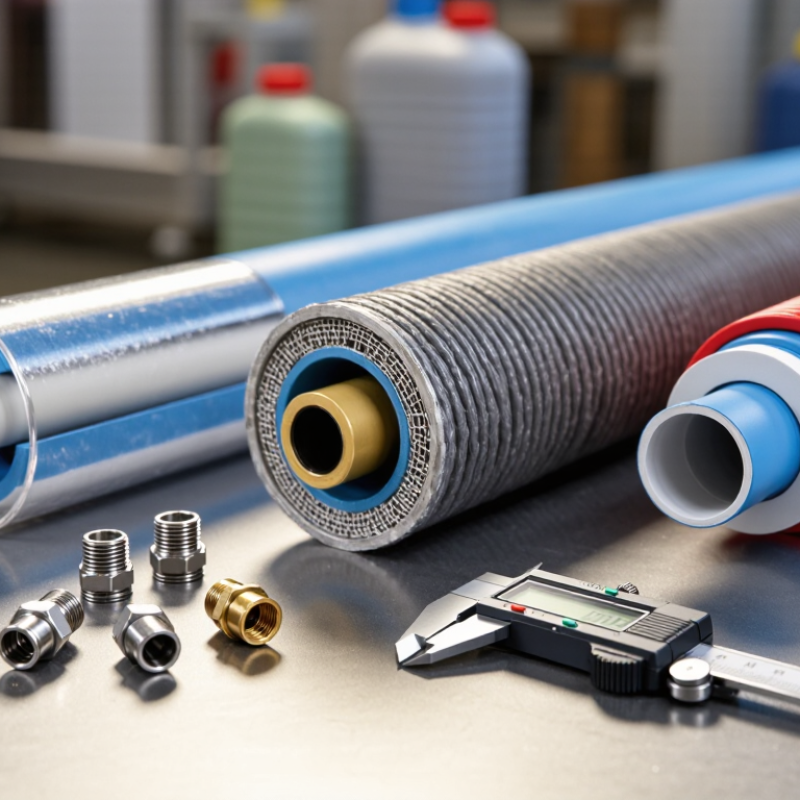
Identify the Application and Operating Requirements
Start with what the hose must move, not its catalog description. A water-transfer line, slurry pickup, and processing drain may look similar, yet each faces different demands. Record the material, concentration, particle size, and expected flow rate. Note whether the fluid is abrasive, oily, hot, or chemically aggressive. Small details matter. Grit can wear a soft inner tube, while oils may swell an incompatible liner. Identify whether the hose will draw under vacuum, carry pressure, or switch between both. Suction service is not simply low-pressure service: vacuum can flatten a hose that handles discharge pressure well. This distinction is easy to miss.
Next, check the operating setup. Measure the required inside diameter and length, then consider bends, lift height, and how the hose will be supported. A long run or tight bend can reduce flow and increase strain at the fittings. Check the working temperature range, peak vacuum, and pressure against the actual duty cycle, not just occasional conditions. Leave room for variation. Operators may change the fluid or move the hose later, and plans are not always followed perfectly. If the conditions are uncertain, record what is unknown and confirm it with the hose supplier or a qualified engineer before ordering. A quick field measurement can prevent a costly mismatch. Still, measurements can be rough; verify them.
Compare Hose Materials, Reinforcement, and Construction
Choosing a suction hose starts with the material, not its color or outside diameter.
The conveyed liquid, temperature, and exposure to sunlight or oil all matter.
PVC is often lighter and easier to handle, while rubber can suit tougher service and repeated flexing.
Polyurethane may resist abrasion well, but compatibility still needs checking.
No material is best for every job.
Small details matter.
Reinforcement helps the hose resist vacuum without collapsing.
A helical wire can support the wall and may help the hose keep its shape around bends.
Textile reinforcement can reduce weight, though it may not provide the same resistance to crushing.
Construction matters too: a smooth bore can reduce flow resistance, while a corrugated exterior can improve flexibility.
It is tempting to choose the thickest hose. That can add weight and make tight routing harder, so review the actual layout before deciding.
Check the rated vacuum, working temperature, and minimum bend radius against the equipment requirements.
Then confirm that the hose ends and couplings fit securely.
A hose that looks sturdy may still flatten when a pump pulls hard, especially near a sharp bend.
If possible, inspect a sample under realistic conditions.
I would also revisit the choice after installation; real routing can reveal problems a specification sheet misses.
Select the Diameter, Length, and Pressure Rating
Choose the diameter to suit the pump inlet and required flow, not just the hose connection. A narrow hose can increase friction losses and restrict flow, especially with viscous liquids. Check the pump’s specified inlet size and operating limits before ordering. Keep transitions smooth. Small reductions can matter.
Keep the hose as short as the installation allows. Every extra metre, tight bend, or restrictive fitting adds resistance on the suction side. Leave enough slack for movement, but not enough for the hose to sag into a kink. A common field mistake is measuring the straight run and forgetting the fittings. It is easy to misjudge.
Pressure ratings need careful reading. A suction hose must resist vacuum without collapsing; a positive-pressure rating alone does not confirm that it is suitable. Check its vacuum rating, reinforcement, fluid compatibility, and temperature limits. If the hose will also carry pressurised flow, verify that its working-pressure rating covers that duty and any expected surges. Ratings can change with temperature, so the product data sheet matters more than a quick visual guess.
Check Fluid, Temperature, and Environmental Compatibility
A suction hose is reliable only when its inner tube suits the fluid, not just the job description. Check the fluid’s exact name, concentration, and any cleaning chemicals used between transfers. A mild-looking liquid can still swell a liner or extract its additives. Consult a current chemical-resistance chart, then confirm suitability for the actual temperature and exposure time. Do not guess from color or smell. Small differences matter.
Temperature affects more than the hose’s outer surface. Verify its continuous and intermittent temperature limits, and account for hot starts, cold storage, and sudden changes. Suction also creates negative pressure, so check that the hose is rated against collapse at your operating temperature. A hose may feel sturdy by hand and still flatten under vacuum. That detail is easy to overlook.
Consider the route, too. Sunlight, ozone, oil spills, sharp edges, and repeated dragging can age or damage the cover. Measure the bend radius and check for rubbing near clamps or equipment corners. A clean installation can still fail early if it sits beside a hot motor. Inspect the hose after a trial run; wear patterns can reveal a poor route. Compatibility is not a one-time box to tick, and I would recheck it when the fluid, cleaning routine, or operating conditions change.
Verify Standards, Fittings, and Maintenance Needs
A suction hose must resist collapse under vacuum, not just withstand positive pressure. Check its published vacuum rating at the actual operating temperature. ISO 1307:2006 specifies hose bore dimensions and tolerances; ISO 8033:2016 describes tests for adhesion between hose components. These standards provide useful checks, but neither confirms compatibility with every fluid. Match the hose’s material, temperature range, and rating to the fluid and pump conditions.
Fittings matter as much as the hose. Measure the pump inlet and hose bore, then confirm the coupling type, seal, and clamp arrangement. A small bore or sharp bend near the inlet can restrict flow. For example, a 50 mm hose kinked beside a pump may perform worse than a correctly routed hose of the same size. Inspect for soft spots, cracks, loose clamps, and a flattened section before use. Replace damaged hose; a patch is not a reliable vacuum rating.
Tips: Keep the hose run short and supported, with broad bends and no twist at the fitting. Record the hose’s rated vacuum and temperature beside its inspection date. This takes a minute. It is easy to skip. I would not assume a new-looking hose is sound: internal lining damage can be hard to spot. Follow the hose maker’s inspection interval and the relevant application standard.