Call Us

(905) 670-0113

7 Tips for Choosing the Right Heavy Duty Hose Clamps

Choosing the right heavy duty hose clamps is more than selecting the largest, strongest-looking band. The correct choice depends on hose diameter, working pressure, temperature, vibration, and the surrounding environment. In field maintenance, a clamp may appear secure during installation but loosen after repeated heat cycles or engine movement. That small gap can lead to leakage, equipment damage, and unexpected downtime. Material selection also matters. Stainless steel often suits wet or corrosive areas, while coated steel may provide a practical option for less demanding conditions. Measure the hose carefully before buying. Guessing is an expensive habit.

The following seven tips explain how to compare clamp designs, band thickness, screw quality, and adjustment range. They also address installation torque and routine inspection. A reliable clamp should distribute pressure evenly without cutting into the hose. However, no product is perfect for every application. A heavy clamp can damage a soft hose, while a light clamp may fail under pressure or vibration. Read manufacturer specifications, confirm the operating limits, and consider advice from qualified technicians when the application is critical. Check the connection after installation. Then check it again after the system reaches operating temperature. That second inspection is often overlooked. This guide aims to make the decision clearer, while recognizing that real equipment conditions can expose weaknesses that product descriptions do not show.
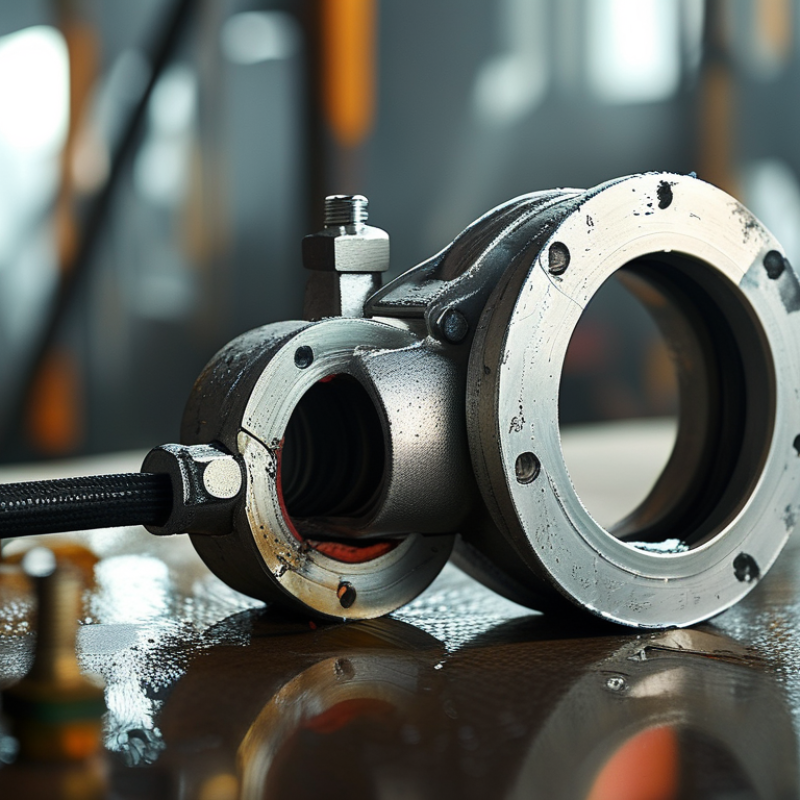
7 Tips for Choosing the Right Heavy Duty Hose Clamps

Understanding Heavy Duty Hose Clamp Types and Their Applications

7 Tips for Choosing the Right Heavy Duty Hose Clamps

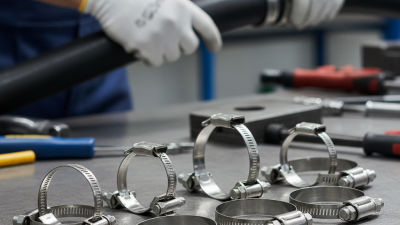
Understanding clamp types prevents leaks, hose damage, and unnecessary maintenance. Match the clamp to the hose’s outside diameter, pressure, temperature, and movement. Worm-drive clamps suit general industrial lines and allow easy adjustment. However, their perforated bands may mark soft hoses when over-tightened. T-bolt clamps provide stronger, more even pressure. They work well on large hoses, engines, air systems, and applications with vibration. Constant-tension clamps compensate for thermal expansion. They are useful when temperatures change repeatedly. Spring clamps are practical for flexible coolant and low-pressure lines. Check access before choosing one. A strong clamp is useless if tools cannot reach it.

Select stainless steel or another suitable alloy when moisture, chemicals, or outdoor exposure may cause corrosion. Confirm the band width and operating range, not only the clamp diameter. For high-pressure service, follow the hose and equipment manufacturer’s specifications. Tighten gradually around the hose. Stop when sealing is secure, rather than forcing the fastener. Excessive torque can cut the hose cover or distort the fitting. It happens more often than people admit.

Inspect the joint after installation and again after the system reaches working temperature. Look for seepage, band movement, cracked rubber, or uneven compression. I have found that a clamp can appear tight while the hose remains poorly seated. Rechecking alignment saves time. Vibration may also loosen a seemingly correct connection. Use a torque tool where a specified value exists, and record the inspection date for critical lines. My own selections are not always perfect, so reviewing failures improves the next choice.

7 Tips for Choosing the Right Heavy Duty Hose Clamps - Understanding Heavy Duty Hose Clamp Types and Their Applications

Tip Heavy-Duty Clamp Type Key Construction Best-Suited Hose or Condition Typical Applications Selection Guidance
1. Match the clamp to the required load Heavy-duty worm-drive clamp Perforated or non-perforated band with a threaded screw housing; wider bands distribute pressure more evenly. General industrial hoses, reinforced rubber hoses, and moderate-pressure connections. Air lines, water service, ducting, agricultural equipment, and general maintenance. Choose a band width and diameter range appropriate for the hose. A non-perforated band can reduce hose damage when higher tightening loads are required.
2. Consider vibration and pulsation T-bolt clamp Smooth, wide band tightened by a T-bolt and nut; commonly fitted with a welded bridge for improved load distribution. Large-diameter, thick-wall, or reinforced hoses exposed to vibration and pressure fluctuations. Heavy trucks, engines, turbocharger hoses, industrial machinery, and air-intake systems. Use when a strong, evenly distributed clamping load is needed. Verify the manufacturer’s recommended tightening torque for the specific clamp.
3. Allow for temperature cycling Constant-tension clamp Spring-loaded design that maintains radial tension as the hose and fitting expand or contract. Hoses exposed to repeated heating and cooling, especially elastomeric hoses. Engine cooling systems, heating circuits, exhaust-related air lines, and thermal equipment. Select a design with a temperature rating and spring force suitable for the hose material and operating environment.
4. Select the correct material for the environment Stainless-steel heavy-duty clamp Stainless-steel band, screw, and housing options provide improved resistance to moisture and corrosion. Outdoor, humid, washdown, marine, food-processing, or chemically exposed installations. Water-treatment equipment, marine systems, irrigation, processing machinery, and outdoor vehicles. Check the compatibility of the stainless-steel grade with saltwater, cleaning chemicals, temperature, and any dissimilar-metal contact.
5. Use a clamp that suits large hose diameters Heavy-duty double-bolt clamp Wide band with two tightening points to help produce a more balanced load around large hoses. Large-diameter suction, discharge, ducting, and low-to-moderate-pressure industrial hoses. Pumps, agricultural irrigation, dust collection, bulk-material handling, and ventilation systems. Measure the hose outside diameter after it is installed on the fitting. Confirm that the clamp’s adjustment range covers the actual diameter.
6. Choose the right installation method Ear clamp or crimp-style clamp A continuous band is deformed with a dedicated tool to create a permanent, low-profile connection. Preassembled hose connections where tamper resistance and a compact profile are important. Automotive fluid lines, appliance tubing, fuel systems, and compact equipment assemblies. Use only when the connection does not require routine removal. Correct sizing and the specified crimping tool are essential.
7. Verify fit, sealing, and service requirements Constant-tension spring-band clamp Circular spring band that applies continuous pressure without a threaded adjustment mechanism. Flexible hoses with changing dimensions, where quick installation and consistent pressure are required. Coolant lines, windshield-washer systems, pneumatic tubing, and light industrial fluid connections. Check the clamp’s relaxed and installed diameters, hose wall thickness, access for pliers, and the connection’s pressure and temperature limits.
Important: Clamp selection should be based on hose outside diameter, working pressure, temperature, vibration, fluid compatibility, corrosion exposure, and the fitting design. Always follow the clamp manufacturer’s installation and torque recommendations.

Matching Clamp Size and Strength to Your Hose and Operating Conditions

7 Tips for Choosing the Right Heavy Duty Hose Clamps

Matching clamp size and strength starts with the hose’s actual outside diameter. Measure it after installation, not from a catalog estimate.

Tip 1: Select a clamp whose adjustment range places the diameter near its middle. Tip 2: Match band width and thickness to the hose wall. A thin wall can collapse under excessive tightening. Tip 3: Check pressure, temperature, and fluid compatibility together. ISO 4413 emphasizes controlling stored energy and preventing hose assembly failures in hydraulic systems.

Operating conditions often matter more than nominal pressure. Tip 4: Allow for pressure surges, vibration, pulsation, and thermal expansion. A clamp that survives a static test may loosen on a vibrating pump line.

Tip 5: Choose stainless or coated construction for moisture, chemicals, or outdoor exposure. The U.S. Department of Energy’s compressed-air guidance reports that leaks can waste 20–30% of compressor capacity. A small clamp leak can become an expensive system problem.

Tip 6: Tighten evenly, using the hose maker’s torque guidance when available. Over-tightening feels secure, but it can cut reinforcement or distort the hose.

Tip 7: Inspect the joint after its first operating cycle, then during scheduled maintenance. Look for weeping, band migration, flattened hose walls, or rust. SAE J1508 provides performance guidance for hose clamps, yet field conditions remain imperfect. Diameter alone is not enough. A clamp may fit correctly and still fail when heat, movement, and pressure combine.

Choosing Materials for Corrosion Resistance and Long-Term Durability

7 Tips for Choosing the Right Heavy Duty Hose Clamps

Choosing Materials for Corrosion Resistance and Long-Term Durability

Tip 1: Match the clamp material to the working environment. In dry indoor systems, zinc-plated steel may provide adequate protection and lower cost. Outdoor equipment needs stronger resistance to rain, mud, and temperature changes. Stainless steel usually performs better in these conditions. Material choice matters.

Tip 2: Consider the type of corrosion, not just moisture. Coastal air, cleaning chemicals, and fertilizer can expose clamps to chlorides or aggressive compounds. Grade 316 stainless steel often resists chloride-related corrosion better than grade 304. However, no material is completely immune. I have seen neglected clamps fail despite looking sound during installation.

Tip 3: Check compatibility between the clamp, hose, and fittings. Dissimilar metals can create galvanic corrosion when moisture connects them. A protective coating may slow this process, but scratches can expose the base metal. Inspect the band edges, screw housing, and contact points carefully. Small defects become larger problems.

Tip 4: Review temperature and vibration conditions. Heat can weaken coatings, while constant movement may loosen poorly selected clamps. Use a design with sufficient band strength and smooth edges. Sharp edges can cut soft rubber over time. This detail is easy to miss.

Tip 5: Do not rely on appearance alone. Record installation dates, inspect exposed assemblies, and replace clamps showing pitting, distortion, or thread damage. A slightly higher material cost can prevent repeated maintenance, but only when the specification fits the actual service conditions.

Evaluating Torque, Sealing Performance, and Installation Requirements

7 Tips for Choosing the Right Heavy Duty Hose Clamps

Tip 1: Match the clamp to the hose’s outside diameter, not its nominal size. Measure the installed hose with calipers. Tip 2: Check the required torque in the technical specification. Too little torque can cause leaks, while excessive torque may cut the hose. Torque is not everything. Tip 3: Use a calibrated torque wrench when sealing pressure-critical connections. Hand-tightening feels reliable, but it often varies between installers.

Tip 4: Inspect the sealing surface before installation. Remove dirt, burrs, and old rubber fragments. Tip 5: Select a band that distributes pressure evenly around the hose. Narrow bands can create sharp pressure points, especially on soft materials. Tip 6: Consider vibration, heat, and fluid exposure. A clamp that works on a stationary water line may loosen near an engine or pump. Tip 7: Leave enough access for inspection and retightening. Installation space matters more than many product charts admit.

From field maintenance work, I have found that alignment is frequently overlooked. Keep the clamp square to the hose, with the screw head accessible. Tighten gradually, then check the hose for extrusion or uneven compression. Do not rely only on appearance. A pressure test can reveal a slow leak that remains invisible during installation. Cold testing is useful, but thermal cycling may expose weaknesses later. My own mistake was assuming one torque setting suited every hose material. It did not. Record the clamp type, torque, and test result for future service.

Checking Quality Standards, Maintenance Needs, and Overall Value

Choosing a heavy duty hose clamp starts with its quality evidence, not its polished appearance. Check compliance with SAE J1508 or DIN 3017 where applicable. These standards address dimensions, materials, and clamping performance. Request test records, batch numbers, and corrosion data. Traceability matters.

Look closely at the operating environment. Stainless steel may suit moisture, chemicals, and outdoor exposure. Plated steel can reduce cost, but coating damage may invite rust. Temperature ratings must match the hose, fluid, and nearby equipment. Small details matter. U.S. Department of Energy guidance reports that compressed-air leaks can waste 20–30% of compressor output. A loose or poorly selected clamp can contribute to that loss. Inspect torque, alignment, and hose damage during installation.

Maintenance needs should shape the purchase. A clamp requiring frequent retightening creates labor costs and uncertain downtime. Record inspection intervals, torque readings, and visible corrosion. ISO 9001 certification can show process control, but it does not prove every clamp fits your application. Ask for independent test results instead. Total value includes purchase price, installation time, replacement frequency, and failure risk. The cheapest option may look efficient. It may not remain so. I would also challenge my own checklist, because vibration, heat cycles, and operator habits often expose weaknesses that laboratory tests miss.

7 Tips for Choosing the Right Heavy Duty Hose Clamps

Use this 100-point evaluation framework to compare heavy duty hose clamps. Prioritize secure load performance and corrosion resistance, then verify standards, maintenance requirements, and total ownership value.

The framework reflects common engineering considerations for hose-clamp selection. Check applicable requirements such as SAE J1508 or DIN 3017, confirm material compatibility with the hose and environment, use the specified installation torque, and include inspection and replacement costs when evaluating overall value.