Choosing a reliable source for stainless steel pipe fittings in China takes more than comparing prices or browsing product photos. Buyers need to know whether a supplier can match the required grade, dimensions, connection type, and operating conditions. A fitting intended for a low-pressure water line may not suit a high-temperature process system. Details matter.
A polished catalog is not proof. Request material certificates, dimensional drawings, production details, and clear information about inspection procedures. Where possible, compare samples with the project specification and confirm how the supplier handles nonconforming items. These checks can reveal gaps before a large order is placed. They also help distinguish a manufacturer with relevant production experience from a trading company coordinating outside factories. Neither model is automatically better, but the distinction affects traceability, lead times, and communication.
This guide looks at how to evaluate Chinese suppliers by product range, manufacturing capability, quality controls, export experience, and responsiveness. It also considers practical questions about minimum order quantities, packaging, documentation, and after-sales support. No single checklist guarantees a good outcome. Supplier claims still need verification, and project requirements can differ sharply. The aim is a more informed shortlist, not an unsupported “best” label. Buyers can use the comparison points that follow to identify suppliers worth contacting and to ask sharper questions before committing.
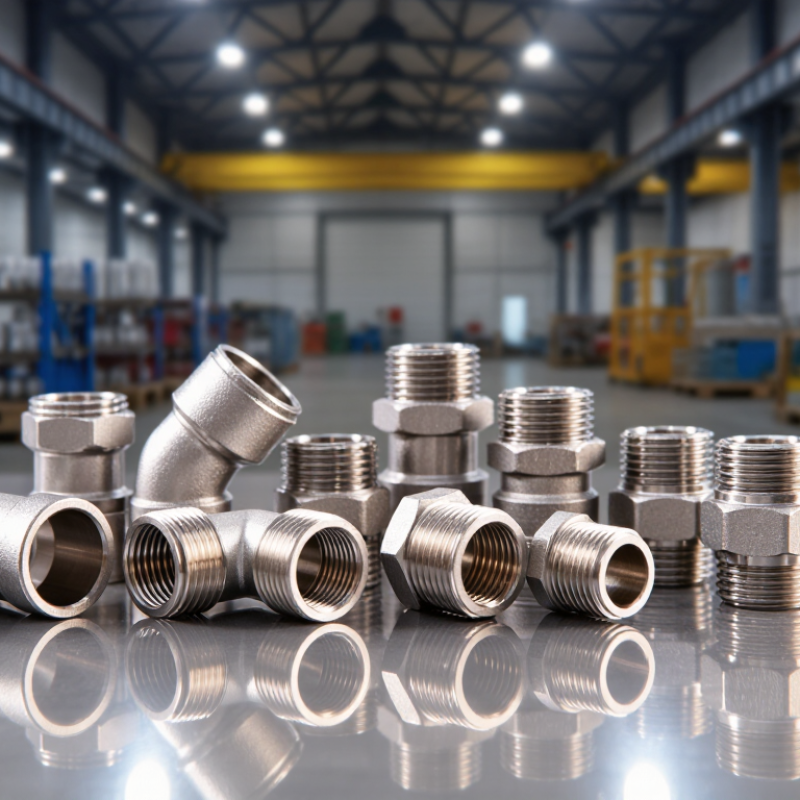
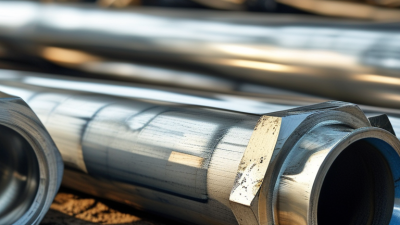
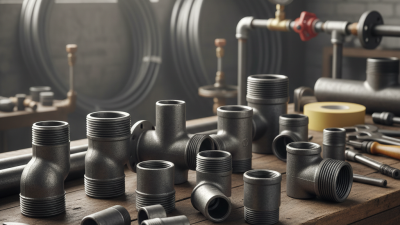
Stainless steel pipe fittings are components that connect, redirect, branch, or close sections of pipe. Common types include elbows, tees, reducers, couplings, and end caps. An elbow turns a line around a corner; a tee creates a branch for another pipe. Reducers link pipes of different diameters. Small parts, important work.
Fittings are used in food and beverage plants, water systems, pharmaceutical facilities, and many industrial processes. Their smooth surfaces can support cleaning, while corrosion resistance can help in damp or demanding environments. But stainless steel is not immune to corrosion. Salt, chemicals, heat, and poor cleaning practices can affect performance. A coastal installation may need different material choices from an indoor water line.
Connection style matters, too. Threaded fittings can suit some low-pressure installations, while welded or sanitary clamp connections may be specified for other systems. Check the pipe dimensions, operating pressure, temperature, fluid, and applicable project requirements before choosing a fitting. In practice, a polished finish can look reassuring, but appearance alone proves little. I would treat material certificates and clear specifications as more useful evidence, while recognizing that even careful selection cannot replace proper installation and inspection.
| Category | Item or Evaluation Dimension | Practical Facts and Checks | Typical Application or Use |
|---|---|---|---|
| Product basics | Stainless steel pipe fittings | Components used to connect pipe sections, change flow direction, branch a line, reduce pipe size, or close an end. Selection depends on the piping design, service conditions, dimensions, and applicable code. | Process piping, utility lines, water systems, food production, chemical processing, and building services. |
| Fitting type | Elbow | Changes the direction of a piping run. Common configurations include 45-degree and 90-degree elbows; available bend radius and dimensions depend on the product standard and design. | Routing pipe around equipment, structural obstacles, or changes in plant layout. |
| Fitting type | Tee | Creates a branch from a main pipe. Equal tees have matching run and branch sizes; reducing tees have a smaller branch connection. | Distributing or collecting flow in process and utility piping. |
| Fitting type | Reducer | Connects pipes of different nominal sizes. Concentric and eccentric designs are used where the piping layout and flow requirements call for different centerline arrangements. | Transitions between equipment nozzles, pipe sizes, or sections of a piping system. |
| Fitting type | Cap | Closes the end of a pipe. The end connection and pressure design must match the piping system requirements. | Terminating a line or closing a connection in a piping assembly. |
| Connection type | Butt-weld, socket-weld, or threaded | Butt-weld fittings are welded to pipe ends; socket-weld and threaded fittings are commonly specified for smaller-bore piping, subject to project design and code requirements. | Connection method is selected according to pipe size, pressure and temperature conditions, maintenance needs, and applicable code. |
| Material | 304 / 304L stainless steel | Common austenitic stainless steel grades. The “L” designation indicates a lower-carbon grade. Confirm the exact material specification and suitability for the fluid and operating environment. | General-purpose applications where the specified corrosion resistance and service conditions are suitable. |
| Material | 316 / 316L stainless steel | Austenitic grades containing molybdenum; often considered where greater resistance to certain corrosive environments is needed than with 304-series grades. Actual performance depends on exposure and operating conditions. | Selected chemical, marine, and process applications after corrosion and design review. |
| Standards | ASME B16.9 | Covers dimensions and tolerances for factory-made wrought buttwelding fittings in its stated scope. Verify that the fitting type, size, material, and edition meet the project specification. | Dimensional reference for applicable butt-weld fittings. |
| Standards | ASME B16.11 | Covers ratings, dimensions, tolerances, marking, and material requirements for forged fittings within its scope, including socket-welding and threaded fittings. | Specification reference for applicable forged socket-weld and threaded fittings. |
| Standards | ASTM A403 / A403M | Material specification for wrought austenitic stainless steel piping fittings. It is commonly used together with the applicable dimensional and piping-code requirements. | Material requirements for covered wrought austenitic stainless steel fittings. |
| Supplier evaluation | Product and standards capability | Request a product list showing fitting types, size range, wall thickness or schedule, material grades, end connections, applicable standards, and available manufacturing processes. Check each item against the purchase specification. | Helps establish whether a supplier can meet the actual project requirements rather than only offer a broad product category. |
| Supplier evaluation | Material traceability and inspection documents | Ask how heat or batch numbers are linked to products and request material test documentation specified by the contract. EN 10204 Type 3.1 is an inspection document type; confirm its required scope and acceptance with the buyer’s specification. | Supports verification of material identity and inspection records. |
| Supplier evaluation | Quality management and testing | Review the quality-system certificate, its scope and validity, inspection procedures, calibration controls, and any required dimensional, visual, or other tests. Certification alone does not prove that a specific order conforms. | Assesses whether documented controls and order-specific inspections are in place. |
| Supplier evaluation | Quotations and commercial clarity | Compare quotations on the same basis: material grade, standard and edition, size, schedule or wall thickness, end preparation, quantity, inspection documents, packaging, delivery terms, and lead time. | Reduces the risk of comparing technically different products or incomplete offers. |
| Supplier evaluation | Export packing and delivery | Confirm corrosion-protective handling where appropriate, end protection, package identification, packing list details, shipment documentation, and the agreed delivery schedule. | Helps protect fittings and maintain identification during transport and receipt. |
Supplier checks are evaluation criteria, not a ranking. Confirm the governing piping code, material specification, dimensions, inspection requirements, and suitability for the intended service before purchase.