Ultimate Tips for Choosing Stainless Steel Pipe Fittings?
Choosing the right stainless steel pipe fittings can significantly impact your project's success. Industry expert John Thompson, a renowned engineer with over 15 years of experience, states, “Quality fittings are vital for both safety and performance.” His insights highlight the importance of selecting the best options in your plumbing or piping projects.
Stainless steel pipe fittings come in various shapes and sizes. Understanding these differences can feel overwhelming. Materials, pressure ratings, and fitting types all play crucial roles in decision-making. By grasping these elements, you can enhance your project’s reliability. Many professionals struggle with this aspect and often overlook critical specifications.
Investing time to review options is essential. Choosing premium stainless steel pipe fittings may seem costly upfront, but it can save money and time later. Poor choices lead to leaks and repairs. In the long run, superior fittings ensure durability and efficiency, making them a wise investment. Reflecting on past experiences with fittings can offer valuable lessons for future decisions.
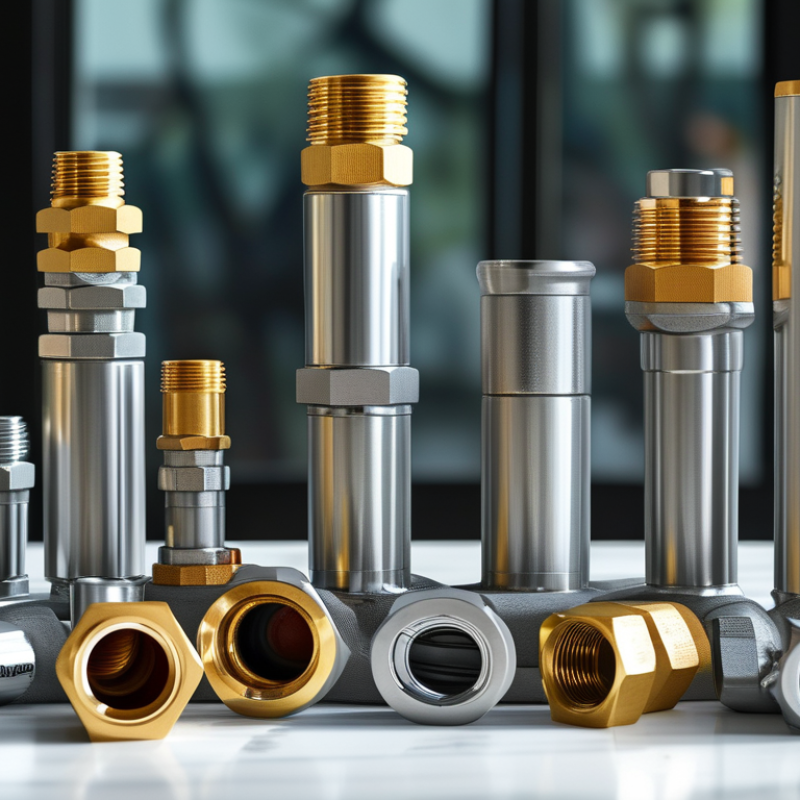
Understanding Different Types of Stainless Steel Pipe Fittings
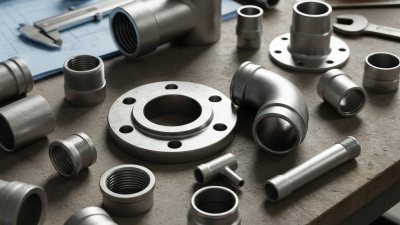
When it comes to stainless steel pipe fittings, understanding the different types available is crucial for optimal performance and longevity. There are several categories, including elbows, tees, reducers, and flanges. Each type serves distinct functions in piping systems. According to a report by MarketsandMarkets, the global stainless steel pipe fittings market is projected to grow at a CAGRs of about 5% from 2023 to 2028 due to increased industrial applications.
The material composition of stainless steel varies, which influences its durability and resistance to corrosion. For instance, 304 stainless steel is versatile but can be vulnerable to corrosion in chloride-rich environments. On the other hand, 316 stainless steel offers better protection against such harsh conditions, making it ideal for marine applications. Industry studies show that selecting the right material can extend the lifespan of pipe fittings by 60%.
It's essential to assess your specific needs before making a selection. Consider factors like temperature, pressure, and the type of fluids involved. Some fittings may require welding, while others might work effectively with threaded joints. Also, always verify certifications to ensure compliance with industry standards. Mistakes in choosing inappropriate fittings can lead to costly repairs and safety hazards.
Factors to Consider When Selecting Stainless Steel Materials
Selecting the right stainless steel pipe fittings involves considering several key factors. First, the type of stainless steel is crucial. Different grades, like 304 and 316, offer varied resistance to corrosion and heat. If the environment is particularly harsh, 316 might be a better choice. Understanding the specific application helps in making an informed decision.
When evaluating fittings, you should think about the intended use and pressure requirements. High-pressure applications necessitate fittings designed to handle greater stress. Compatibility with existing systems is also a significant factor. You may need to adjust your choices based on existing materials.
A well-informed choice will consider certifications and manufacturing standards. Quality assurance documents are essential. Look for ISO certification or similar authority, ensuring reliability. Sometimes, the cheapest option can lead to costly repairs later. Always examine the long-term value, rather than immediate savings. Reflecting on all these elements will lead to better choices in stainless steel fittings, impacting system performance significantly.
Ultimate Tips for Choosing Stainless Steel Pipe Fittings
This chart illustrates the key factors to consider when selecting stainless steel materials, along with their importance ratings based on industry insights.
Key Specifications for Stainless Steel Pipe Fittings
When selecting stainless steel pipe fittings, understanding key specifications is crucial. The type of stainless steel utilized can greatly impact durability. For instance, common grades like 304 and 316 each offer different levels of corrosion resistance. According to industry reports, 316 stainless steel is preferred for marine applications due to its superior resistance to chlorides. Overall, the selection process must consider the environment in which the fittings will be used.
Another important specification is the pressure rating of the fittings. This is measured in pounds per square inch (PSI) and indicates how much pressure a fitting can handle. Research shows that many failures in piping systems occur due to mismatched pressure ratings. Therefore, knowing the operating pressure of your system is vital for choosing the appropriate fitting.
Dimensions such as diameter and wall thickness also need attention. These specifications influence flow rates and installation compatibility. It’s important to cross-reference standards like ASTM and ASME to ensure compliance. Even minor discrepancies can lead to leaks or other issues, prompting the need for reevaluation during the selection process. Always remember: investing time in understanding these specifications pays off in the long run.
Common Applications of Stainless Steel Pipe Fittings
Stainless steel pipe fittings are essential in many industries, including food processing, pharmaceuticals, and construction. This type of material is favored due to its corrosion resistance and durability. A report from the Global Pipe Fittings Market indicates that the demand for stainless steel fittings will grow significantly, especially in the oil and gas industry. Stainless steel’s high tensile strength makes it suitable for high-pressure environments.
In food processing, stainless steel fittings ensure hygiene and safety. They do not react with food products, which helps maintain quality. According to industry data, stainless steel pipe fittings account for around 30% of the total market share in this sector. However, choosing the right grade of stainless steel is crucial. Grades like 304 and 316 have different properties and should be selected based on specific application needs.
For plumbing and construction, the versatility of stainless steel fittings cannot be overstated. These fittings are used in various systems, from simple drainage to complex heating systems. Yet, professionals must be aware that not all stainless steel is created equal. Some may corrode under certain conditions. Regular inspections and maintenance can extend the life of these fittings significantly. It's important to evaluate costs versus benefits to ensure the right investment.
Maintenance Tips for Ensuring Longevity of Stainless Steel Fittings
Maintaining stainless steel fittings is essential for their longevity. Regular cleaning is crucial. Use warm, soapy water to remove dirt and grime. For stubborn stains, a non-abrasive cleaner works well. Avoid harsh chemicals that could damage the surface. Rinse with fresh water and dry immediately to prevent water spots.
Corrosion can be a concern, even with stainless steel. Inspect fittings for any signs of rust or pitting. If noticed, address it quickly. Sanding the area lightly can help. You might also consider applying a protective coating to enhance durability.
Proper storage is equally important. Keep fittings in a dry place. Exposure to moisture can lead to unwanted oxidation. Wrapping them in protective materials helps. Reflect on your maintenance routine. Are you consistent? Small lapses can lead to bigger issues later.