
Call Us

(905) 670-0113

Top 10 Multi Adapter Wiper Blades for Global Buyers

Choosing a wiper blade sounds simple until the connector does not match. Global buyers may face different vehicle models, arm fittings, blade lengths, and weather conditions. A blade that performs well on a compact car in mild rain may not suit a larger vehicle facing heavy downpours. Fit matters most.

This guide to the Top 10 Multi Adapter Wiper Blades for Global Buyers focuses on practical selection criteria: adapter compatibility, available sizes, installation clarity, material quality, and manufacturer support. The keyword “Multi Adapterwiper” points to a useful idea, but multiple adapters do not guarantee a fit for every vehicle. Check the product’s compatibility list and compare the connector with your existing wiper arm before ordering. A few millimeters can matter.

We also consider everyday details that are easy to overlook, such as clear instructions, secure packaging, and replacement availability. These points can help importers, retailers, and individual drivers make more informed comparisons. Product specifications are more dependable than broad promises about universal fit or all-weather performance. Still, specifications may vary by market and model year, so confirm details with the seller or manufacturer when uncertain. No ranking can replace that check. Even a well-reviewed blade may disappoint if the adapter is wrong or the size is unsuitable. The options ahead are intended as a practical shortlist, not a promise of perfect fit for every vehicle.
Top 10 Multi Adapter Wiper Blades for Global Buyers

What Multi-Adapter Wiper Blades Are and How They Work

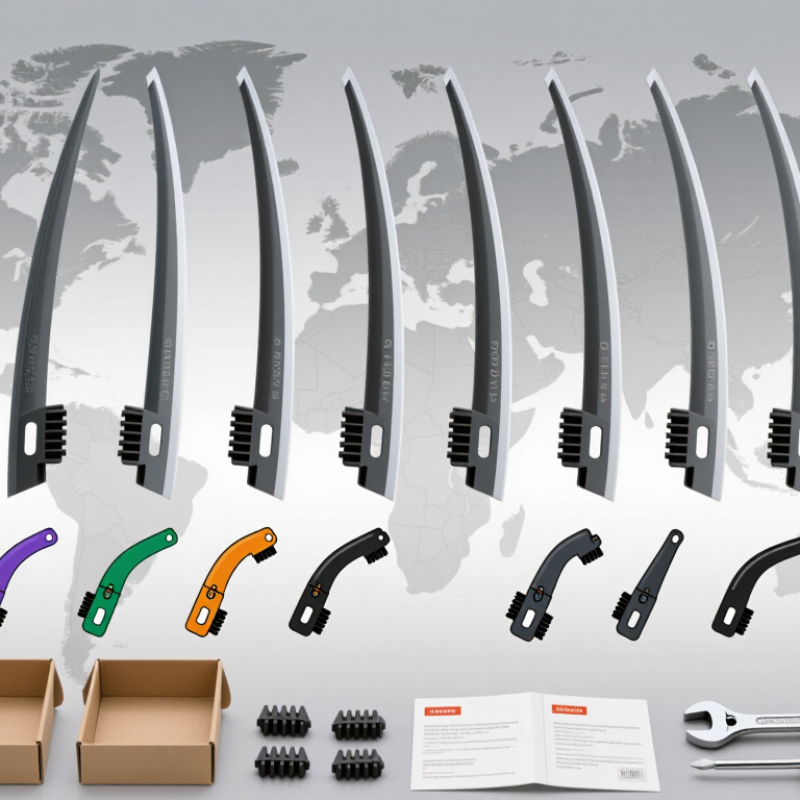
Multi-adapter wiper blades come with several connector fittings, allowing one blade design to attach to different wiper-arm styles. The adapter sits between the blade and arm. A small locking tab or clip holds the parts together, while the blade’s flexible frame presses the rubber edge against the windshield. That pressure helps clear rain across the glass. Not every adapter fits every arm, though. Similar-looking connectors can differ by a few millimeters.

To install one, identify the arm type and compare it with the supplied adapters. Remove the old blade carefully, then slide or clip the matching adapter into place until it locks. Give the connection a gentle pull before lowering the arm. A loose fit may rattle, lift, or leave uneven wet streaks. I’ve found that checking fit before removing both old blades saves a little frustration. It is an easy step to overlook.

Tips: Match the connector shape, not just the blade length. Test the wipers with washer fluid, and listen for clicking. If the adapter feels forced, stop and check again.

Wiper Arm Connector Types Used Across Global Markets

Global buyers will encounter several wiper arm connections, even on vehicles built for similar conditions. The J-hook is widely used and curves over the blade’s connector. Side-pin arms use a small horizontal pin, while bayonet arms slide into a narrow sleeve. These designs can look alike in a product photo. They are not interchangeable.

Other common types include pinch-tab, top-lock, and push-button connections. A multi-adapter blade may include fittings for several of these systems, but the number of adapters alone does not guarantee a correct fit. Check the vehicle’s manual, arm shape, and connector dimensions before ordering. Small differences matter. A loose connector can shift during wiping and leave a wet strip across the driver’s view.

For mixed-market purchasing, record the arm type and blade length for each vehicle rather than relying only on model names. Production year and regional specifications can change the fitting. Test the adapter by hand before installation; it should lock securely without force. Catalog descriptions are sometimes incomplete, and even careful checks can miss a variation. That is worth acknowledging. A clear photo of the bare wiper arm can help confirm the connection before a fleet order is placed.

Top 10 Multi Adapter Wiper Blades for Global Buyers - Wiper Arm Connector Types Used Across Global Markets

No. Wiper Arm Connector Type Common Interface Size Where Commonly Encountered Multi-Adapter Fitment Notes
1 J-hook / U-hook Commonly 9 × 3 mm or 9 × 4 mm Widely used across North America, Europe, Asia, and other markets Check hook width and blade-adapter clearance; the two common hook sizes are not interchangeable in every adapter.
2 Side pin, 4 mm Approximately 4 mm pin diameter Found on various European and Asian vehicle applications The blade adapter must match the pin diameter and locking position.
3 Side pin, 7 mm Approximately 7 mm pin diameter Used on selected European, Asian, and other international applications Do not assume a 4 mm side-pin adapter will fit; verify the arm specification.
4 Bayonet, 7 mm Approximately 7 mm wide bayonet arm Common on some European vehicle applications Requires a bayonet-specific adapter; confirm arm width and retention method.
5 Bayonet, 9 mm Approximately 9 mm wide bayonet arm Found on selected European and international applications A different adapter may be required from the 7 mm bayonet version.
6 Pinch tab / pinch tab button Common arm widths include about 19 mm and 22 mm Seen on various European and Asian applications Match the arm width and tab arrangement; similar-looking arms can use different blade adapters.
7 Push button / top lock, 16 mm Approximately 16 mm wide arm interface Used on selected newer vehicles across several regions Check the button position, arm width, and adapter profile before installation.
8 Push button / top lock, 19 mm Approximately 19 mm wide arm interface Found on selected vehicles in European and other global markets Not automatically interchangeable with a 16 mm push-button connection.
9 Slim top lock Narrow top-mounted locking profile; dimensions vary by design Present on selected modern vehicles in multiple regions Use an adapter specifically shaped for the slim profile; appearance alone is not enough to confirm fit.
10 Side lock / side button Side-mounted locking feature; interface dimensions vary Used on selected vehicle applications across global markets Confirm the locking feature’s position and shape, plus the arm width, against the adapter instructions.

Fitment varies by vehicle, model year, and wiper arm specification. Connector dimensions and regional usage are common examples, not a guarantee of compatibility; verify the exact arm type before purchase or installation.

Key Criteria for Comparing Multi-Adapter Wiper Blades

Key Criteria for Comparing Multi-Adapter Wiper Blades

A multi-adapter blade should fit the vehicle’s wiper arm securely, not merely include many connectors. Check the arm type and connector shape against the vehicle manual or a reliable fitment guide. A box may show several adapters, but a missing or confusing diagram can make selection harder. Fit comes first. The adapter should lock with a clear click and resist movement when gently tugged. Never force a connector that seems wrong.

Compare blade length, frame design, and pressure distribution. The correct length helps cover the windshield without striking its edges or the other blade. A flexible beam-style blade may follow curved glass closely, while a framed design can suit some flatter windshields. Neither is automatically better. Inspect the rubber edge for an even finish, and look for a sturdy adapter that does not wobble. In cold or dusty conditions, material durability matters, though real service life depends on use and storage. A fit chart is useful, but it can still be imperfect; verify the exact vehicle year and arm configuration.

Tips: Test the installed blade with washer fluid before driving. Watch for missed arcs, chatter, or lifting near the corners. If the adapter feels loose, stop and recheck the fit rather than relying on extra pressure.

Top 10 Multi-Adapter Wiper Blades for Global Buyers

Global buyers comparing multi-adapter wiper blades should treat fit as the first test, not a marketing claim. A blade may include hook, side-pin, bayonet, push-button, pinch-tab, and top-lock connectors. Some catalogs divide these designs further, so names alone can mislead. Measure the original blade and inspect the arm before ordering. A neat fit matters. Adapter play can cause chatter or uneven pressure across the glass.

A practical top-ten comparison should cover more than connector count: arm compatibility, blade lengths, refill availability, corrosion resistance, and clear installation instructions. A box with ten adapters is not useful if the locking piece sits loosely on a common arm. Check that the connector clicks into place and resists a gentle pull. Then wet the windshield and test the blade at low and high speeds. Dry-glass testing can create noise and hide poor contact.

Climate also affects the choice. In snowy areas, a covered frame may help limit ice buildup; hot, dusty routes call for durable rubber and stable pressure. These are trade-offs, not guarantees. Verify the driver- and passenger-side lengths separately, since fit charts can simplify vehicle variations. Even a clear guide cannot replace checking the installed blade against the actual arm.

How to Match, Install, and Maintain a Compatible Blade

A compatible multi-adapter wiper blade starts with the vehicle, not the box. Check the owner’s manual for each blade’s length and arm connection; driver and passenger sides may differ. Then compare the adapter with the arm: hook, pin, or bayonet fittings are not interchangeable. A secure fit should click into place without wobbling. Small detail. If the connector feels forced, stop and recheck the fitment guide. A blade that nearly fits is still the wrong blade.

Installation is easier with the wiper arm raised carefully and the old blade removed according to the vehicle manual. Keep a folded towel on the windshield. A bare metal arm can snap back and crack the glass. Lock the adapter fully, then tug gently to confirm it is seated. Test both blades with washer fluid before driving. The fit can be fiddly, and some instructions are less clear than they should be; take a moment to inspect the latch.

Tips: FHWA reports that weather contributes to about 21% of vehicle crashes, based on 2007–2016 averages. That figure does not measure wiper failures, but it underlines the value of clear visibility.

Clean the rubber edge and windshield with a damp cloth. Check for splits, hardened rubber, streaks, or chatter, especially after dusty or freezing weather. Replace blades when performance declines, following the vehicle maker’s guidance. A quiet pass matters.