Top Discharge Hose Types You Should Know About?
Discharge hoses play a crucial role in various industries. Understanding their types can enhance efficiency. As industry expert John Smith stated, “Choosing the right discharge hose can save time and costs.”
Several hose types exist, each designed for specific applications. For instance, layflat hoses are lightweight and easy to transport. These are ideal for agricultural use. On the other hand, reinforced hoses withstand higher pressures. They are typically preferred in construction settings.
Despite their importance, users often overlook discharge hose maintenance. Regular checks can prevent unexpected breakdowns. When hoses fail, it leads to costly downtime. Remember, selecting the appropriate discharge hose can make a significant difference in operational success. Keeping this in mind will lead to better choices and improved outcomes.
Types of Discharge Hoses: An Overview
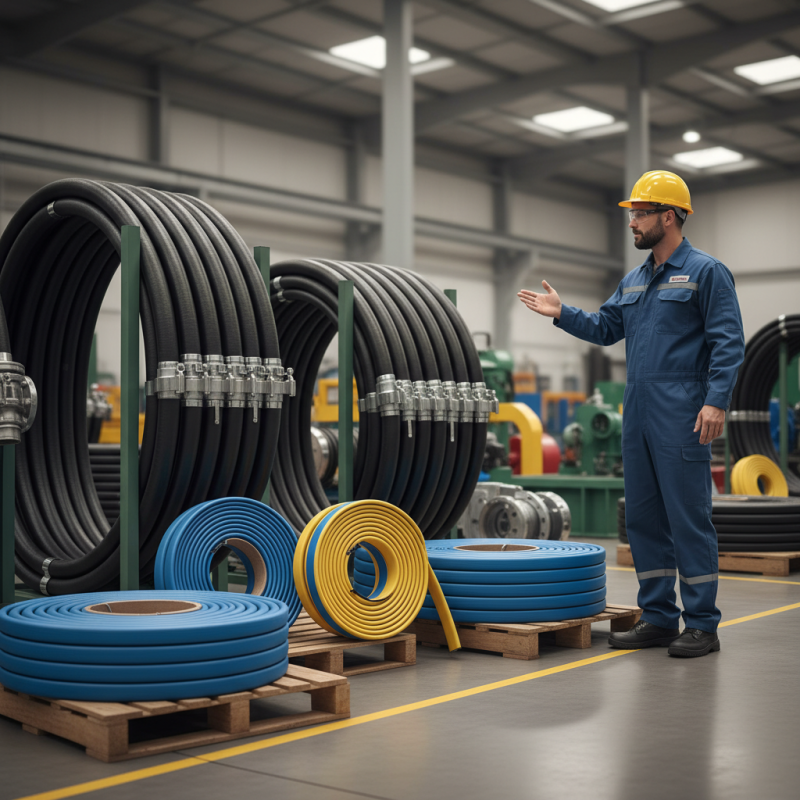
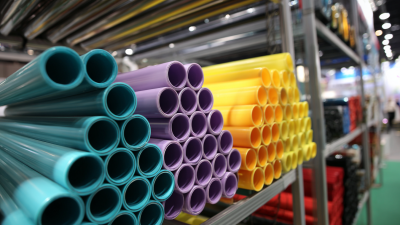
When it comes to discharge hoses, understanding the types available is essential. These hoses are important in various industries, capable of handling liquids, slurries, and other materials. Common types include PVC, rubber, and layflat hoses. Each has different applications, durability, and flexibility.
The PVC discharge hose is lightweight and resistant to corrosion. It’s often used in agriculture and dewatering. Rubber hoses offer superior strength and are suited for heavy-duty tasks. Layflat hoses are easier to store and transport, making them ideal for temporary applications. According to industry reports, rubber hoses can withstand pressures up to 150 psi, while PVC hoses are more suitable for lighter duties.
Tip: Always consider the environment where the hose will be used. Temperature, pressure, and the type of liquid can affect performance.
Another consideration is hose maintenance. Regular checks can extend the lifespan of discharge hoses. One mistake many make is ignoring cracks or abrasions. These can lead to larger issues later. A proactive approach saves time and resources.
Tip: Store hoses in a cool, dry place to prevent damage. Proper handling is key to longevity.
Top Discharge Hose Types You Should Know About
| Discharge Hose Type |
Material |
Typical Uses |
Diameter (inches) |
Temperature Range (°F) |
| PVC Discharge Hose |
PVC |
Water transfer, irrigation |
1 - 12 |
-5 to 150 |
| Rubber Discharge Hose |
Rubber |
Agriculture, construction |
1 - 16 |
-20 to 180 |
| Polyethylene Discharge Hose |
Polyethylene |
Chemical transfer, dewatering |
2 - 8 |
-40 to 140 |
| PVC Lay Flat Hose |
PVC |
Water and wastewater management |
2 - 10 |
-5 to 120 |
| Suprdine Discharge Hose |
Composite Material |
Draining, pumping applications |
1 - 10 |
-40 to 150 |
Key Features of Discharge Hoses to Consider
When selecting a discharge hose, understanding its key features is crucial. The material of the hose often dictates its flexibility and durability.
Common materials include rubber, PVC, and polyurethane.
Rubber hoses are durable but can be heavy. PVC hoses are lighter but may not have the same longevity under certain conditions. Each material has its benefits and drawbacks, which can affect your choice.
Another important feature is the hose diameter. A larger diameter allows for higher flow rates, which can be necessary for specific applications. However, wider hoses can be cumbersome and harder to maneuver.
Assessing the size needed for your project is essential. You may find the setup tedious if you overlook this detail.
The temperature and pressure ratings of a hose are also vital. Hoses must withstand varying temperatures without damage.
High-pressure ratings ensure that the hose performs safely under challenging conditions.
This is often an area where users might neglect to verify specifications. Not all applications require high performance; recognizing your needs can optimize your choice.
Common Applications for Various Discharge Hose Types
When selecting a discharge hose, it's essential to consider its common applications. Various types serve different purposes across industries. A heavy-duty rubber discharge hose is often used for construction sites. Its durability withstands abrasive materials. This hose efficiently handles water, sludge, and other liquids.
In agricultural settings, a lightweight PVC discharge hose is popular. It’s flexible and easy to maneuver. Farmers appreciate its ability to transport water for irrigation. However, it may not last as long under heavy use.
Another type is the lay-flat discharge hose, often seen in firefighting or drainage. It collapses when not in use, providing easy storage. While convenient, it can be prone to kinks. Each type has its benefits and limitations. Users should understand these to choose the right hose for their needs.
Maintenance and Care Tips for Discharge Hoses
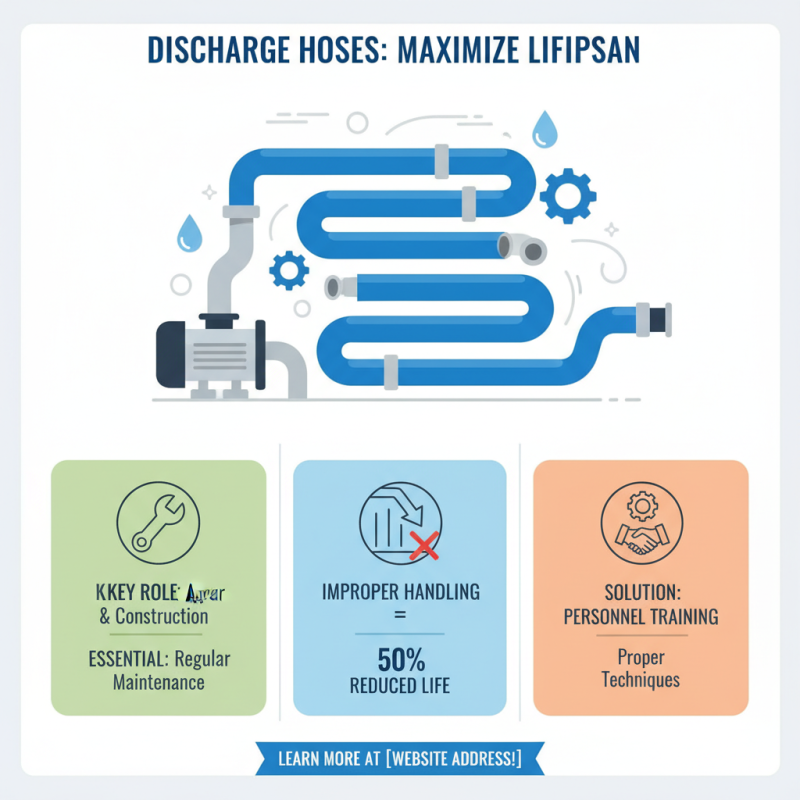
Discharge hoses play a critical role in various industries, including agriculture and construction. Regular maintenance is essential for maximizing their lifespan. Interestingly, studies show that improper handling can reduce hose life by up to 50%. This highlights the need for companies to train personnel on proper techniques.
Routine inspections should focus on wear and tear. Look for cracks, bulges, or abrasions. These issues could indicate that the hose is nearing the end of its useful life. In fact, almost 30% of hose failures result from unnoticed physical damage. Keeping hoses clean and free from debris also contributes to their durability. Moisture can lead to mold or mildew, degrading rubber over time.
Temperature extremes can impact hose performance. Operating within manufacturer guidelines is crucial. Experts recommend storing hoses in a temperature-controlled environment to avoid degradation. A simple practice like coiling hoses correctly helps prevent kinks and encourages longevity. Awareness of these factors is vital, as mismanagement often leads to unexpected failures in crucial operations.
Safety Considerations When Using Discharge Hoses
When using discharge hoses, safety is paramount. Discharge hoses are critical in various industries, including agriculture and construction. According to the American National Standards Institute (ANSI), improper handling can lead to accidents. The risk of kinking or bursting is significant if a hose becomes too twisted. Regular inspection is crucial. Look for wear and tear. A compromised hose may leak, posing hazards.
Proper storage is another factor. Hoses should be kept in cool, dry areas. Exposure to extreme temperatures can degrade materials. A report by the Industrial Hose Manufacturers Association indicates that nearly 30% of hose failures are due to environmental damage. Users should also consider using protective gear. Gloves and goggles can prevent injuries from splashes or Hose-related accidents.
Training is vital for all personnel involved. They need to understand how to connect and disconnect hoses safely. Misuse can lead to serious injuries. Each team member should receive regular safety briefings. Not all hoses are equipped with safety features. Users must handle with care. Always follow recommended guidelines, even if it seems tedious. These basic practices could save lives.
Top Discharge Hose Types and Their Safety Considerations
This chart illustrates the different types of discharge hoses commonly used in various industries along with their safety ratings. Ensuring you choose the right type of hose that aligns with safety standards is crucial for effective operation.