Top 10 Recessed Electric Fireplaces for Global Buyers
A recessed electric fireplace can transform a plain wall into a warm, modern focal point. Yet appearance alone should not determine the purchase. Global buyers must compare heating performance, installation depth, controls, safety features, and after-sales support. This guide introduces the Top 10 Recessed Electric Fireplaces for Global Buyers with those practical needs in mind.
The selection focuses on manufacturer specifications, user-oriented design, energy use, flame presentation, and installation flexibility. Models are considered for bedrooms, living rooms, hospitality spaces, and compact apartments. Some units offer realistic logs and adjustable ember colors. Others provide stronger heat distribution or quieter operation. Details matter. A slim frame may simplify remodeling, while an oversized glass panel can require additional wall preparation. Buyers should confirm voltage, plug type, warranty coverage, and local installation requirements before ordering.
A Recessed Electric Fireplace is usually simpler than a traditional fuel-burning system, but it still demands careful planning. Wall dimensions, ventilation guidance, circuit capacity, and mounting clearances should be checked with qualified professionals. Product claims can also vary between regions, especially for heating coverage and certification. That limitation deserves attention. No ranking can replace an inspection of the actual room or the manufacturer’s current documentation. The following overview aims to support a more informed decision, not push one universal solution. It balances visual appeal with dependable operation, realistic ownership costs, and practical maintenance. Buyers may discover that the most attractive model is not always the most suitable. That is worth remembering.
What Defines a Recessed Electric Fireplace?
What Defines a Recessed Electric Fireplace?
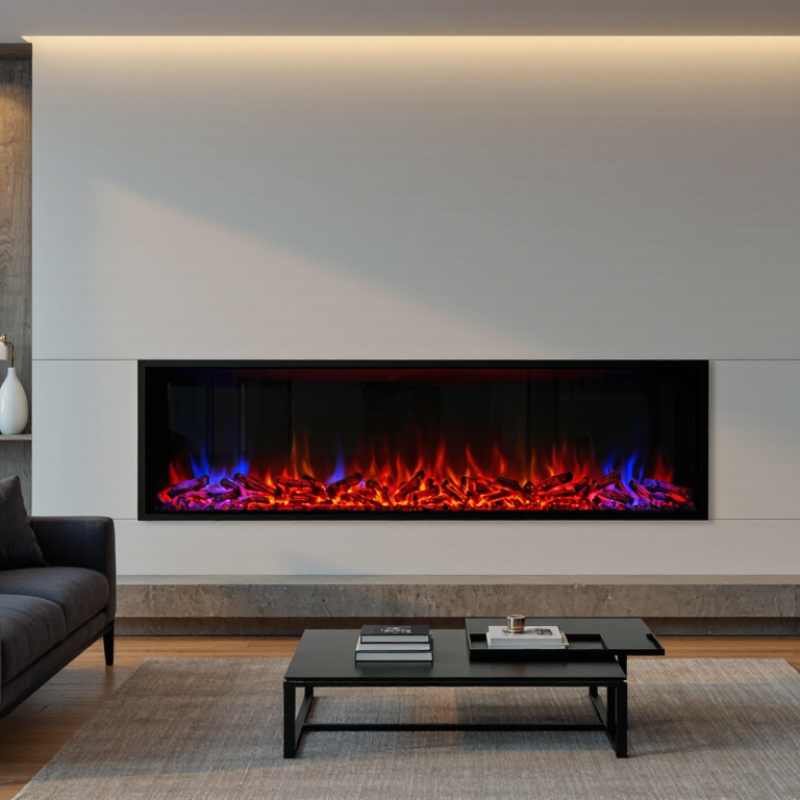
A recessed electric fireplace is an electric heating and visual feature installed inside a wall cavity or purpose-built enclosure. Unlike a wall-mounted unit, its front sits nearly flush with the surrounding surface. This creates a clean architectural line in apartments, hotel rooms, and compact living spaces. Most models combine LED flame effects with adjustable heat. The flame display can often operate without warmth. That matters in mild climates or warmer seasons. A reliable unit should provide stable temperature control, clear instructions, and overheating protection.
From practical installation experience, the opening must be measured carefully. Include depth, cable access, and surrounding materials. A few millimeters can change the final finish. Some units require dedicated circuits or specific clearances. Buyers should check the manual and local electrical requirements before ordering. Recessed does not mean completely hidden. The service area still needs access, and ventilation openings must remain clear. Never place combustible trim too close to the heat outlet. Professional installation is wise when wiring, framing, or structural walls are involved. I have seen attractive installations fail because the cavity was treated like empty decoration space.
Tips: Confirm internal dimensions, not only the visible frame size. Check voltage compatibility for the destination country. Test flame brightness at night, when reflections may look harsh. Leave room for maintenance. It sounds minor, but neglected access becomes expensive. Compare heat output with room size, too. A large screen may not warm a large room evenly. Reviews provide clues, not proof. Ask for safety documents and realistic installation drawings before purchase.
Key Features Global Buyers Should Compare
Global buyers should compare recessed electric fireplaces by fit, heat performance, safety, and service access. Measure the wall cavity carefully, including depth, ventilation space, and cable routes. A model that fits the opening may still need extra clearance behind it. Small errors become expensive after installation.
Check voltage, frequency, plug type, and regional electrical certification before ordering. Heating output should match the room, not just the product’s advertised maximum. In a cold living room, low heat output can disappoint. In a mild climate, excessive power may waste electricity. Adjustable thermostats, timers, and open-window detection can improve daily control. Flame brightness, ember color, and sound levels also deserve comparison. The most realistic flame is not always the most comfortable at night.
Safety features should include overheat protection, stable mounting, and clear installation instructions. A remote control is useful, but manual controls matter when batteries fail. Compare energy use in flame-only mode, because many households use the visual effect without heat. Check warranty length, replacement-part access, and local technical support. These details are easy to overlook. They often decide ownership satisfaction.
For apartments or renovated rooms, confirm whether the unit can connect to existing circuits without overloading them. Professional installation is sensible when wiring or structural changes are involved. I have seen attractive installations weakened by poor cavity measurements. That mistake is avoidable, but product specifications are sometimes incomplete. Ask for technical drawings before purchase, and keep every document for future service.
Top 10 Recessed Electric Fireplaces for Global Buyers
Key features global buyers should compare when evaluating recessed electric fireplaces. The percentages represent a practical 100-point purchasing framework rather than market share or brand performance.
Heating output, electrical compatibility, installation dimensions, safety protection, and warranty support typically require the closest review because they affect usability, installation cost, and long-term ownership.
Top 10 Recessed Electric Fireplaces by Performance and Design
The top 10 recessed electric fireplaces should be judged by performance and design, not flame brightness alone. The U.S. Energy Information Administration’s 2020 Residential Energy Consumption Survey reports that space heating used 42% of household energy. This makes thermostat accuracy, heat distribution, and operating efficiency important buying factors. Check heating output, adjustable temperature control, fan noise, timer settings, and overheat protection. A realistic test includes a cold room, a two-hour run, and temperature readings near the floor and ceiling.
Design still shapes daily satisfaction. The strongest recessed models offer slim installation depth, balanced flame color, adjustable ember brightness, and clear viewing from different angles. Matte black frames often suit modern interiors, while minimal trim supports cleaner wall lines. IEA’s Buildings 2023 report states that building operations produced about 26% of global energy-related emissions in 2022. Therefore, supplemental heating and sensible scheduling matter, especially in well-insulated rooms. Verify voltage, electrical requirements, ventilation clearance, and market-appropriate safety certification before installation.
Some details remain difficult to measure. Flame realism is subjective. Fan noise may seem acceptable in a showroom but distracting beside a bed. A powerful heater can also dry a small room too quickly. That is worth questioning. Performance data should guide the shortlist, but hands-on testing reveals the honest weaknesses.
