Ultimate Tips for Choosing the Right Barrier Terminal Blocks?
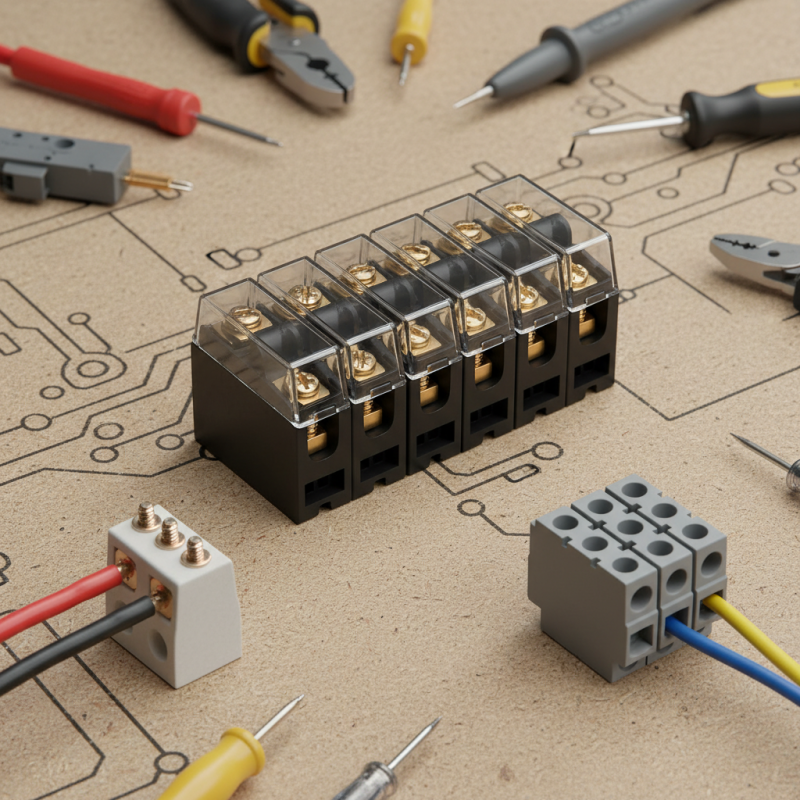
Choosing the right Barrier Terminal Blocks can significantly impact your electrical projects. These components ensure safe connections and enhance system reliability. However, the vast array of options can be overwhelming. Each type of Barrier Terminal Block offers distinct features, making the selection process crucial.
To make informed decisions, understanding the specifications and applications of these blocks is essential. Factors such as current rating, voltage, and environmental conditions influence performance. Not all Barrier Terminal Blocks are created equal. Knowing what fits your needs can save time and resources.
Reflecting on past experiences, it’s clear that improper choices can lead to failures. Evaluating your specific requirements before purchasing is critical. Seek expert advice when needed. Proper selection can prevent costly mistakes and improve overall project success.
Understanding Barrier Terminal Blocks and Their Applications
Barrier terminal blocks are critical components in electrical applications. They provide secure connections and are essential in managing electrical systems effectively. Understanding their applications can help optimize performance in various settings.
In industrial environments, barrier terminal blocks are widely used due to their robustness. According to a recent industry report, 45% of manufacturers prioritize reliability and safety in their electrical connections. These blocks help achieve that by preventing accidental short circuits. They're often used in control panels and distribution systems. The material quality impacts their longevity. High-grade materials can withstand environmental stressors, while lower quality can lead to failures.
However, choosing the right barrier terminal block isn’t always straightforward. Factors like wire size and current ratings are vital. Data shows that improper selection can result in connections that exceed heat ratings. Users need to assess their specific needs carefully. Not all barrier terminal blocks meet the performance standards required for high-demand applications. Regular testing and validation are necessary to ensure optimal functionality. This attention to detail ultimately enhances reliability and safety.
Key Factors to Consider When Selecting Barrier Terminal Blocks
Choosing the right barrier terminal blocks involves several key factors. The first factor is the size of the block. Ensure that it fits the available space in your project. Too large a block can lead to complications. Pay attention to the wire gauge as well. Different blocks accommodate different wire sizes, which is crucial for safety.
Next, consider the current and voltage ratings. Ensure the terminal block matches your electrical requirements. Underestimating these values can lead to failures or hazards. It's also essential to evaluate the material used in the block. Plastic may be adequate in less demanding applications, but metal offers more durability.
Additionally, assess the mounting type. Some applications require screw or push-in mounting. Choose what best suits your setup. Lastly, think about expansion options. It’s useful to select blocks that allow for future modifications. Remember, underestimating these factors might lead to challenges down the line.
Material and Size Specifications for Barrier Terminal Blocks
When selecting barrier terminal blocks, material and size are pivotal considerations. The choice of material affects durability and conductivity. Common materials include thermoplastics and metals. Thermoplastics offer insulation and resist environmental factors. Metals provide superior conductivity but may corrode under certain conditions. Understanding the environment of application can guide material selection effectively.
Size specifications are equally important. Barrier terminal blocks need to fit snugly into designated spaces. Larger blocks may handle more wires but can crowd small panels. Conversely, smaller blocks save space but can limit connectivity. A well-fitted block ensures reliable connections. It is crucial to assess the wiring requirements and overall layout before making a decision.
Pay attention to the specifications on the datasheet. Sometimes, manufacturers list dimensions that look fine but do not consider installation space. This can lead to unexpected challenges during assembly. Reflecting on these details is essential for ensuring optimal performance. Proper planning can save time and resources in the long run.
Comparing Different Types of Barrier Terminal Blocks
Barrier terminal blocks are essential in electrical applications. Choosing the right type can be challenging. There are several options available, each with unique features. Understanding these differences is crucial for making an informed decision.
One common type is screw-type barrier terminal blocks. They offer robust connections and are easy to install. However, they may require regular maintenance to avoid loosening over time. On the other hand, spring-clamp barrier terminal blocks provide a solid grip without tools. They are quick to connect but can be less forgiving when it comes to wire sizes.
Consider your specific application needs. High voltage environments may require insulated options, while space constraints might lead you to choose compact designs. Always think about the environment where the blocks will be used. Humidity and temperature variations can impact performance. Thus, careful consideration is key to selecting the ideal barrier terminal block for your project.
Safety Standards and Compliance for Barrier Terminal Blocks
When selecting barrier terminal blocks, adhering to safety standards is crucial. Various regulations govern the design and use of electrical components. For instance, the IEC 60947-7 standard outlines safety requirements for connecting devices. These rules ensure that equipment meets necessary performance benchmarks to prevent electrical hazards.
Recent studies indicate that improper installation can lead to severe risks. Reports show that 20% of electrical accidents are linked to faulty connections. Hence, manufacturers need to provide clear guidelines and documentation. Compliance with international safety standards ensures greater reliability.
Environmental factors also play a role. Terminal blocks should withstand moisture, dust, and extreme temperatures. The UL 94 standard evaluates flammability. Components rated V-0 showcase exceptional resistance to fire. As designs evolve, ongoing reflection on existing standards is necessary.
Support from knowledgeable experts can bridge gaps in compliance understanding. Regular audits and training help maintain safety and reliability. Knowledge of local regulations remains vital for optimal safety outcomes.
Ultimate Tips for Choosing the Right Barrier Terminal Blocks
This chart illustrates the compliance levels of different barrier terminal block types with various safety standards, providing insight into their suitability for various applications.