How to Source Calcined Petroleum Coke for Global Procurement?
Sourcing Calcined Petroleum Coke (CPC) is essential for industries such as aluminum production and steel manufacturing. With global demand increasing, understanding this unique material becomes crucial. Calcined Petroleum Coke acts as a key ingredient in anodes, contributing to efficiency and performance in production processes.
Businesses must evaluate suppliers carefully. Not all providers meet the quality and specifications required. Researching potential vendors is vital to ensure consistency and reliability. Certification and industry standards should guide procurement strategies.
Challenges in sourcing Calcined Petroleum Coke can lead to inefficiencies. Supply disruptions may occur due to geopolitical factors. Companies need to stay informed and adaptable to mitigate risks. Building strong relationships with reputable suppliers is a strategic move for reliable procurement.
Understanding Calcined Petroleum Coke and Its Applications
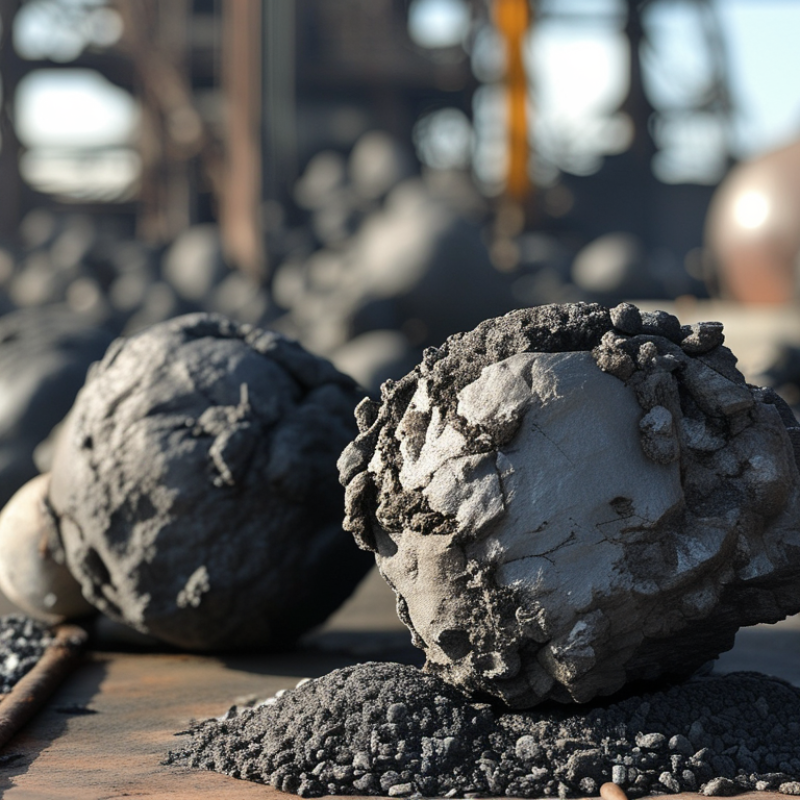
Calcined petroleum coke (CPC) is a key material in various industrial processes. It is produced by heating green petroleum coke to high temperatures. This process removes volatile substances, resulting in a dense, carbon-rich material. CPC is primarily used in the aluminum and steel industries, where it serves as a crucial component in the production of electrodes. It plays a significant role in the manufacturing of anodes, influencing the efficiency and quality of metal production.
Understanding the applications of calcined petroleum coke goes beyond its immediate use. In the aluminum industry, CPC helps improve energy efficiency and lowers production costs. In steelmaking, it's essential for refining processes, enhancing the quality of steel. However, sourcing high-quality CPC can be challenging. The production methods and raw material sources vary significantly. This variability affects the quality and performance characteristics of the final product. Buyers often encounter difficulties in finding reliable suppliers who adhere to strict quality standards.
As global demand for CPC grows, it's crucial to engage with knowledgeable suppliers. They can provide insights into material specifications and applications in different industries. Building strong relationships with trusted vendors can minimize risks associated with inconsistent quality. Details matter in procurement; understanding the nuances of CPC production ensures better decision-making. Evaluating the reliability of suppliers requires diligence and often, ongoing assessments of their production processes and quality controls.
Identifying Reliable Suppliers for Calcined Petroleum Coke
When sourcing calcined petroleum coke, identifying reliable suppliers is crucial. Start by researching potential suppliers thoroughly. Focus on their production capacity, quality standards, and market reputation. Look for suppliers with a history of delivering consistently high-quality products. Reviews and testimonials from other buyers can provide valuable insights.
Establishing a relationship with suppliers is essential. Engage in open communication to clarify your needs and expectations. A reliable supplier should be willing to share relevant certifications and perform quality testing. They should have transparent pricing structures as well. If possible, visiting their facilities can also offer deeper insight into their operations.
Be prepared for challenges. Not all suppliers will meet your expectations, and delays can occur. Continuous monitoring of supplier performance helps address any issues proactively. Keep in mind that a strong supplier relationship is built over time, requiring regular feedback and communication. Always evaluate and reassess your suppliers, ensuring they align with your evolving needs.
Evaluating Quality Standards for Calcined Petroleum Coke Procurement
When sourcing calcined petroleum coke (CPC), evaluating quality standards is crucial. High-quality CPC can significantly impact the efficiency of end-products. Key factors include structural integrity, chemical composition, and sulfur content. Buyers must consider specifications that align with their project requirements.
Testing material samples helps gauge quality. Verify the carbon content, typically above 98%. Also, check for impurities; lower sulfur levels are preferred. A comprehensive analysis can prevent future operational issues. Quality assurance should not be overlooked.
Here are some helpful pointers. Look for suppliers with credible certifications. They often adhere to established standards. Building relationships with manufacturers can lead to more reliable sourcing. Finally, monitor market trends. Variations in quality and pricing can inform your procurement decisions. Staying informed ensures you make the best choices for your needs.
Negotiating Contracts and Pricing Strategies in Global Sourcing
Negotiating contracts and pricing strategies in global sourcing of calcined petroleum coke requires a nuanced approach. According to the International Energy Agency, the demand for petroleum coke is projected to grow by 4% annually through 2025. This trend stems from the increasing need for efficient fuel sources across various industries. Understanding market dynamics is crucial for successful negotiations.
When entering negotiations, a clear grasp of current prices helps. As per recent industry reports, calcined petroleum coke prices fluctuated between $300 and $450 per ton in 2023, due in part to supply chain disruptions and varying demand. It's essential to stay updated on price fluctuations and consider long-term contracts to hedge against volatility. Building relationships with suppliers can also provide leverage in negotiations.
Another consideration is understanding the terms of contracts. Price adjustments based on market conditions can be a double-edged sword. While they allow for flexibility, they may also lead to unpredictable costs. Both parties should seek clarity in contract terms to reduce ambiguity. Regular reviews of contract performance and adherence to agreed-upon specifications are vital. Ensuring transparency builds trust, which ultimately aids in successful global procurement.
How to Source Calcined Petroleum Coke for Global Procurement? - Negotiating Contracts and Pricing Strategies in Global Sourcing
| Supplier Location | Quality Grade | Price per Ton (USD) | Minimum Order Quantity (Ton) | Lead Time (Weeks) | Payment Terms |
| North America | High Grade | 350 | 100 | 4 | 50% upfront |
| South America | Medium Grade | 320 | 200 | 6 | Net 30 days |
| Europe | Standard Grade | 300 | 150 | 5 | Letter of Credit |
| Asia | High Grade | 340 | 250 | 8 | Cash in advance |
Ensuring Compliance and Sustainability in Procurement Practices
Procurement of calcined petroleum coke is a complex process. It requires a thorough understanding of compliance and sustainability. Organizations need to be mindful of their environmental impact. According to industry reports, about 70% of calcined petroleum coke is used in aluminum production. This makes sourcing essential for the sector.
To ensure compliance, companies must adhere to environmental regulations. In many regions, there are strict guidelines regarding emissions and waste. Failing to meet these standards can lead to hefty fines. Data shows that suppliers who invest in sustainable practices see a rise in reputational value. Customers increasingly favor businesses committed to environmental responsibility.
Sourcing strategies also involve evaluating supplier practices. Nearly 55% of organizations are now requiring sustainability certifications from their suppliers. This shift indicates the industry's commitment to responsible sourcing. However, the challenge remains in verifying the authenticity of these claims. Engaging with local communities and conducting audits can enhance transparency. Trust will be a key factor in building lasting supplier relationships.