What Is Pouch Machinery and How Does It Work?
Pouch Machinery sits at the center of modern flexible packaging production. It converts printed film into sealed, usable pouches. The process looks simple from a distance. It is not.
A typical line unwinds film, controls web tension, forms the pouch, and creates heat seals. It may then add a zipper, spout, laser score, or shaped cut. Filling systems measure products before final sealing. Sensors inspect registration, seal temperature, pressure, and pouch position. Small errors can create wrinkles, leaks, or wasted film.
Industry data shows why this equipment matters. PMMI’s 2024 State of the Industry report identifies automation, labor shortages, sustainability, and digital connectivity as major packaging machinery pressures. Smithers’ The Future of Flexible Packaging to 2028 also points to continued demand for lightweight, convenient, and recyclable formats. These trends are changing how manufacturers evaluate Pouch Machinery. Speed alone is no longer enough.
Jim Pittas, President and CEO of PMMI, has stated, “Automation should augment people, not simply replace them.” That principle fits pouch production. Skilled operators still adjust film tension, verify seal quality, and respond to inconsistent materials. A machine can repeat a setting. It cannot always understand a difficult film roll.
That is the part many introductions overlook. Pouch Machinery is not a single machine. It is a coordinated system. Its performance depends on film structure, product behavior, filling accuracy, cleaning routines, and operator experience. Understanding those relationships makes equipment selection more reliable, even when the process remains imperfect.
Definition and Main Functions of Pouch Machinery
What Is Pouch Machinery and How Does It Work?
Pouch machinery is industrial equipment that forms, fills, seals, and checks flexible packages. It converts film rolls or pre-made pouches into consistent units. In practical terms, the machine controls product movement, pouch shape, seal pressure, and production speed. Common systems handle powders, grains, liquids, sauces, and small solid items. The exact design depends on product flow, pouch size, material structure, and hygiene requirements. A machine for free-flowing granules may use volumetric cups, while liquid lines need pumps and anti-drip nozzles. This distinction matters.
A form-fill-seal machine draws film from a roll, shapes it around a forming collar, and creates a tube. A dosing unit then places measured product inside. Horizontal or vertical sealing jaws close the package, while cutters separate finished pouches. Premade-pouch equipment skips film forming and opens each pouch before filling and sealing. Sensors track registration marks, temperature, pressure, and pouch position. Operators inspect seals, check weights, and remove damaged packs. Small errors can spread quickly.
Modern controls adjust timing and speed, but automation does not replace judgment. Product dust may weaken a seal. Excess heat can wrinkle film. An experienced operator checks these details during setup and production, not only after a fault appears. Regular cleaning, calibration, and seal testing support reliable output. Still, performance is never perfect. Material variation, unstable product flow, or rushed changeovers can cause waste. Recording these problems helps engineers improve settings and maintenance plans.
Core Components and Machine Structure
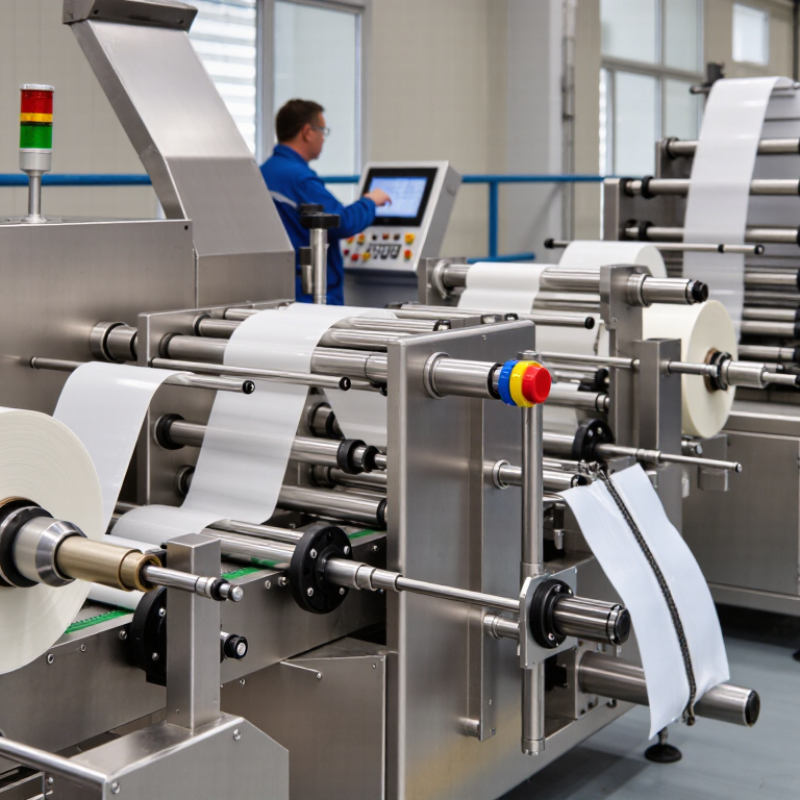
Pouch machinery forms a compact production line, not a single box. Its structure usually includes film unwinding, tension control, forming, sealing, cutting, filling, and coding units. A servo-driven film path keeps material centered as it moves. Forming collars then fold the film into a tube or shape a premade pouch. Heated sealing jaws create the bottom and side seams. Filling nozzles add measured products, while sensors check position and seal timing.
Smithers’ market analysis, The Future of Flexible Packaging to 2028, forecasts continued growth in flexible packaging demand, supported by lightweight formats and material efficiency. That growth increases pressure on pouch equipment to reduce waste and maintain stable output. PMMI industry reports also emphasize automation, faster changeovers, and improved line integration. In practice, a small tension error can wrinkle the film, shift the zipper, or weaken a seal. Operators often find that the machine’s simplest parts need the most attention.
Tips: Check film tension before adjusting sealing temperature. Inspect jaw surfaces for residue. Record pouch width, speed, temperature, and pressure during trials. A machine may run quickly, but speed alone does not prove quality. Seal strength testing remains essential, especially after changing film structure or filling weight. One practical limitation is often overlooked: different films may require different settings, so a universal recipe rarely works perfectly.
How Pouch Machinery Works Step by Step
Pouch machinery converts flat packaging film into sealed, filled pouches through a controlled sequence. The process begins with film unwinding. Tension rollers keep the material steady. If tension changes, wrinkles may appear. Small errors matter.
The forming station folds the film around a shaping tube. A heated vertical bar then seals the back seam. Sensors monitor film position and registration marks. The machine creates a bottom seal before a measured filling cycle begins. Liquid, powder, or solid products enter through the tube. Then comes filling. An auger, pump, or volumetric cup controls the portion. The system adjusts timing when product flow changes.
After filling, heated jaws create the top seal and cut individual pouches. Cooling pressure helps the seal stabilize. Vision systems may check seal width, print position, and pouch shape. Acceptable packs move to discharge conveyors. Defective packs are removed automatically, when detection works correctly. The Flexible Packaging Association reported US flexible packaging industry sales of about $39.8 billion in 2023, showing the scale of this production environment. A 2024 PMMI industry report also identifies automation, inspection, and data collection as major packaging priorities. These technologies improve consistency, but they do not eliminate operator judgment. Film moisture, product temperature, and dust can still disturb sealing. In practice, the sequence is rarely perfect. Experienced technicians test seal strength and review machine data before increasing speed. That extra check may reduce waste, even when production targets create pressure.
Applications, Benefits, and Maintenance Requirements
Pouch machinery forms, fills, seals, and cuts flexible packages in a timed sequence. Film unwinds from a roll, then servo-driven rollers guide it through forming stations. A dosing unit adds powder, granules, liquids, or solid products. Heated jaws create the top and bottom seals. Sensors check registration, temperature, and film tension during operation. Real production lines are less tidy than diagrams.
Applications include snacks, coffee, pet food, medical supplies, detergents, and agricultural products. Stand-up pouches support shelves and resealable formats improve everyday handling.
According to Grand View Research’s Flexible Packaging Market report, the global market reached about USD 261.4 billion in 2023. It is projected to grow at roughly 4.1% annually through 2030.
This growth increases demand for flexible, automated packing systems. PMMI’s 2023 flexible packaging industry report also identifies labor shortages and waste reduction as important automation drivers.
The main benefits are lower material use, accurate dosing, faster changeovers, and reduced manual handling. However, these gains depend on disciplined maintenance.
Operators should clean product-contact areas each shift and inspect seal jaws, belts, sensors, and pneumatic lines. Seal temperature and pressure need documented checks. A small misalignment can create leaking pouches and costly rejects.
Preventive lubrication must follow the equipment manual, not habit. Film dust is easy to overlook. It can affect sensors and sealing surfaces.
A perfect maintenance plan can still fail when training records are incomplete, so technicians should review fault patterns weekly.
