
Call Us

(905) 670-0113

China Top Vacuum Transfer Pump Manufacturers?

Choosing among China’s top Vacuum Transfer Pump manufacturers requires more than comparing prices or catalog flow rates. Buyers must examine engineering depth, material selection, testing procedures, and after-sales support. A pump moving solvents, powders, wastewater, or viscous liquids faces different pressures and contamination risks. Stainless-steel wetted parts may suit corrosive media, while reinforced seals can matter more for abrasive slurries. Small details often decide reliability.

John F. O’Hanlon, author of A User’s Guide to Vacuum Technology, has emphasized, “A vacuum system is only as good as its weakest component.” That practical warning applies directly to Vacuum Transfer Pump selection. A respected manufacturer should explain ultimate vacuum, transfer capacity, temperature limits, seal compatibility, and expected service intervals. It should also provide traceable test records, clear manuals, and responsive technical assistance.

This guide examines leading Chinese manufacturers through an industrial buyer’s lens. It considers factory experience, product consistency, customization capability, certifications, and real application feedback. A polished website proves little. Factory photographs can mislead. Even a strong supplier may have uneven delivery performance or limited overseas support. That deserves honest attention. Readers should verify references, request sample testing, and compare performance under actual operating conditions. The right Vacuum Transfer Pump is not simply the strongest model. It is the model that performs steadily, safely, and economically within a clearly defined process.
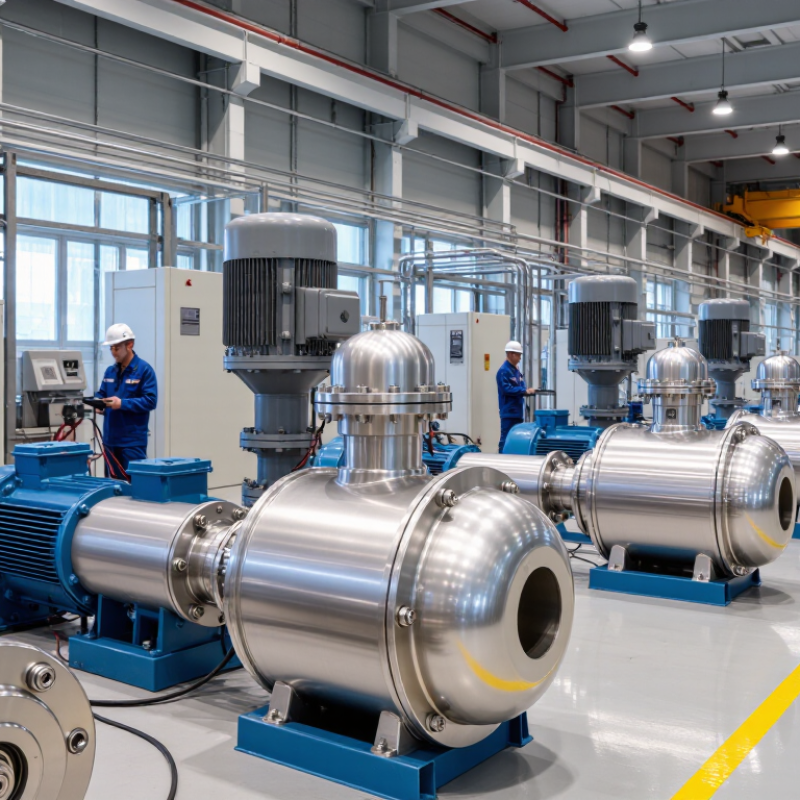
China Top Vacuum Transfer Pump Manufacturers?

What Is a Vacuum Transfer Pump and How Does It Work?

A vacuum transfer pump moves liquids, slurries, or gases by creating a pressure difference. It does not “pull” material like a hand. Instead, the pump lowers pressure inside a sealed chamber, while higher outside pressure pushes the material inward. This simple principle supports controlled transfer in laboratories, food processing, chemical production, and water treatment.

Inside the pump, a diaphragm, piston, or rotary mechanism repeatedly changes chamber volume. During the intake cycle, the chamber expands and pressure falls. An inlet valve opens, allowing the fluid to enter. During discharge, the chamber contracts and the outlet valve opens. The material then moves through the delivery line. In practical installations, I check hose stiffness, seal condition, and liquid temperature before operation. Small leaks can reduce vacuum performance quickly. The wrong pump material may also react with the process fluid. That mistake is easy to overlook.

Tips: Keep the suction line short and airtight. Install a filter when particles may enter. Monitor unusual noise, vibration, or slower transfer speed. These signs often appear before failure. Do not assume maximum vacuum means better performance; excessive suction can damage sensitive containers or cause foaming. A recent maintenance check may still miss a worn valve, so observe the pump during a real transfer cycle.

Key Applications of Vacuum Transfer Pumps in China

Vacuum transfer pumps support many industrial processes across China, from coastal chemical plants to inland food factories. Their main role is moving liquids, slurries, and sensitive fluids under reduced pressure. This method can lower spills, protect product quality, and improve transfer control.

In chemical production, vacuum pumps handle solvents, resins, oils, and corrosive mixtures. Engineers often select corrosion-resistant materials after checking temperature, viscosity, and vapor pressure. In pharmaceutical facilities, gentle transfer helps protect active ingredients and reduce foaming. Cleanable designs also support strict hygiene procedures. Small details matter here. A poorly sealed connection may contaminate an entire batch.

Food and beverage plants use vacuum transfer systems for sauces, syrups, dairy mixtures, and liquid concentrates. Controlled suction can move thick products without excessive shear. However, operators should not assume that stronger vacuum always improves production. It may damage texture or pull air into the product. Electronics and battery factories also use these pumps when transferring specialty liquids in controlled environments. Wastewater facilities apply them to sludge, chemical dosing, and enclosed drainage systems, where stable operation is more important than speed.

China’s diverse manufacturing conditions require practical testing before purchase. Dust, humidity, long pipelines, and fluctuating workloads can change pump performance. Field experience shows that maintenance access is often overlooked. That mistake becomes expensive later. A reliable selection process should include trial runs, safety checks, energy use, and local service capability. No pump fits every line. Engineers need to review the process again when materials or production targets change.

Leading Vacuum Transfer Pump Manufacturers in China

Leading vacuum transfer pump manufacturers in China serve chemical, pharmaceutical, food, packaging, and industrial processing applications. Their product ranges often include oil-sealed, dry-running, and liquid-ring designs. Each type handles different vapor loads, cleanliness demands, and pressure targets. A pump may look impressive on paper, yet perform poorly with unstable inlet conditions.

Experienced buyers examine flow rate, ultimate vacuum, motor efficiency, seal materials, and continuous-duty limits. Stainless steel construction can improve corrosion resistance, especially around humid or reactive environments. Manufacturers with strong engineering teams usually provide drawings, test records, replacement-part lists, and installation guidance. Ask for factory acceptance testing when the pump supports a critical production line. Small details matter.

Factory audits can reveal machining quality, assembly discipline, and calibration practices. Check whether serial numbers connect to inspection records. Speak with technical staff about noise, oil carryover, heat, and maintenance intervals. Some manufacturers respond quickly before payment, then become less precise after delivery. That risk deserves attention. No supplier is perfect, and published specifications may reflect ideal laboratory conditions. Request performance data under conditions close to your process. A useful supplier will discuss limitations openly, not hide them.

China Top Vacuum Transfer Pump Manufacturers? - Leading Vacuum Transfer Pump Manufacturers in China
Evaluation Dimension Common Pump Category Typical Ultimate Pressure Typical Capacity Range Suitable Transfer Media Oil-Free Operation Common Industrial Applications Key Selection Considerations
Medium-vacuum performance Oil-sealed rotary vane pump Approximately 0.1–1 Pa for many two-stage designs Approximately 2–300 m³/h Clean, dry air and non-corrosive gases No; uses lubricating oil Vacuum packaging, laboratory systems, refrigeration servicing, and general vacuum processing Check oil compatibility, inlet filtration, gas-ballast requirements, and resistance to condensable vapors
Clean vacuum transfer Dry screw vacuum pump Typically below 1 Pa, depending on screw profile and design Approximately 20–2,000 m³/h Air, process gases, solvent vapors, and some corrosive gases with suitable materials Yes, in the compression chamber Semiconductor processing, chemical production, plastics, coating, and food processing Evaluate corrosion protection, purge-gas demand, vapor-handling capability, cooling method, and service intervals
Wet and condensable-gas handling Liquid-ring vacuum pump Commonly around 3–100 mbar, depending on sealing-liquid temperature Approximately 20–10,000 m³/h Wet gases, condensable vapors, contaminated air, and gas-liquid mixtures Uses a circulating sealing liquid rather than chamber oil Power generation, pulp and paper, mining, chemical processing, and wastewater treatment Consider sealing-liquid consumption, corrosion resistance, discharge treatment, and operating-temperature limits
Low-contamination service Diaphragm vacuum pump Typically 1–100 mbar, depending on the stage configuration Approximately 0.5–100 m³/h Dry air, laboratory gases, and moderate chemical vapors with compatible diaphragms Yes Laboratory filtration, rotary evaporation, vacuum concentration, and medical equipment Verify chemical compatibility of diaphragms and valves, vapor tolerance, noise level, and continuous-duty rating
High-throughput rough vacuum Dry claw vacuum pump Commonly 50–200 mbar, with some designs reaching lower pressures Approximately 40–1,000 m³/h Dry air and process gases with limited particulate loading Yes, in the compression chamber Central vacuum systems, pneumatic conveying, packaging, printing, and material handling Assess inlet filtration, dust tolerance, heat dissipation, motor efficiency, and peak flow requirements
High-flow booster service Roots vacuum booster Can support high-vacuum systems when paired with a backing pump; not normally used alone Approximately 100–10,000 m³/h Clean, dry gases and selected process gases Yes, in the pumping chamber Vacuum drying, metallurgy, coating, freeze-drying, and large vacuum chambers Confirm backing-pump capacity, differential-pressure limits, bypass protection, rotor clearance, and control-system integration
Chemical-vapor compatibility Fluoropolymer-equipped diaphragm pump Typically 5–150 mbar, depending on configuration Approximately 1–60 m³/h Acidic, alkaline, and solvent vapors within the material-compatibility limits Yes Chemical laboratories, analytical instruments, pharmaceutical processing, and sample preparation Review wetted-material compatibility, vapor concentration, condensate management, and diaphragm replacement cost
Product quality and compliance Applicable to all pump categories Must be verified from tested performance curves Must be matched to the required operating point Requires documented gas, vapor, temperature, and particulate limits Depends on the selected technology Export projects, regulated manufacturing, and continuous-process facilities Request performance curves, material certificates, electrical documentation, factory testing, spare-parts support, and applicable conformity records
Energy and lifecycle efficiency Variable-speed or optimized multi-pump systems Depends on pump type and system configuration Can be configured for changing demand Selected according to process conditions Oil-free options are available Central vacuum networks, automated production lines, and high-duty-cycle installations Compare power consumption at the actual duty point, maintenance intervals, consumables, noise, heat rejection, and total cost of ownership

How to Compare Chinese Vacuum Transfer Pump Suppliers

Comparing Chinese vacuum transfer pump suppliers requires more than checking catalog prices. Start with the working conditions: vacuum level, fluid viscosity, temperature, flow rate, and daily operating hours. A suitable supplier should explain how its pump design matches these details. Avoid vague claims such as “high performance” without test data. Ask for performance curves, material specifications, dimensional drawings, and sample inspection records.

Factory experience matters, but visible equipment is not enough. Request evidence of quality control at each stage, including machining checks, seal inspection, pressure testing, and final vacuum testing. Reliable suppliers can usually explain their calibration methods and provide traceable reports. Ask about production capacity during peak seasons. A fast quotation may hide a long delivery period. Numbers reveal habits.

Communication also shows technical strength. Engineers should answer practical questions clearly, not only repeat sales language. Discuss spare parts, installation guidance, warranty terms, and response times before placing an order. A small trial order can expose packaging weaknesses, inconsistent finishing, or missing documents. Ask for evidence. I have learned that a polished factory visit can still leave unanswered questions. Supplier comparisons are never perfect, and buyers sometimes overvalue low prices while ignoring maintenance access. Check the pump after transport, not only before shipment. That overlooked step may reveal the most useful information.

China Top Vacuum Transfer Pump Manufacturers? How to Compare Chinese Vacuum Transfer Pump Suppliers

Use the pump technology and ultimate vacuum level as an initial supplier-screening reference. Lower pressure indicates a deeper achievable vacuum. Actual performance depends on gas composition, pumping speed, temperature, inlet conditions, and test standards, so always verify the supplier’s datasheet and test method.

Quality Standards and Buying Considerations for Global Buyers

China Top Vacuum Transfer Pump Manufacturers?

Quality Standards and Buying Considerations for Global Buyers

Choosing a vacuum transfer pump manufacturer requires more than comparing catalog prices. A reliable supplier should provide clear flow, vacuum, temperature, and material specifications. Ask for test reports showing leak rate, operating stability, and power consumption. These details reveal whether the pump suits your actual process.

Look for documented quality systems, traceable components, and calibrated testing equipment. Certifications should be verifiable, current, and relevant to the destination market. Check electrical safety, pressure protection, labeling, and technical documentation before ordering. A strong manufacturer can explain service intervals and replacement procedures clearly. However, paperwork alone proves little. Request production samples, inspection records, and a pre-shipment performance test. No supplier is perfect. Even experienced buyers sometimes overlook noise levels or seal compatibility.

Tips: Define your working vacuum range first. Confirm the medium, temperature, duty cycle, and installation environment. Ask about spare parts availability and response times. Compare total ownership cost, not only the purchase price. A low-cost pump may require frequent maintenance. Discuss warranty limits in writing. If possible, let an independent inspector witness the final test. Small checks prevent expensive surprises.