10 Essential Tips for Choosing the Right Carbon Steel Pipe
When selecting a carbon steel pipe, understanding the nuances of your project is crucial. The global market for carbon steel pipes was valued at approximately $100 billion in 2022, with projections estimating continued growth at a rate of 5% annually. This data underscores the importance of making informed decisions about materials and suppliers.
Choosing the right carbon steel pipe involves several critical factors. Factors like the intended application, pressure rating, and pipe diameter can significantly affect performance. Reports indicate that a poor choice in pipe material can lead to structural failures and costly repairs. This is evident from statistics showing that over 15% of industrial accidents are attributed to inadequate pipe selection.
Having reliable information about carbon steel pipe grades and specifications can mitigate risks. Understanding standards such as ASTM A106 or A53 is essential. However, many engineers overlook the impact of environmental conditions on pipe lifespan. Each project has its unique challenges, making it vital to assess long-term performance thoroughly. This attention to detail can greatly influence the reliability and efficiency of your systems.
Understanding Carbon Steel Pipe Specifications and Standards
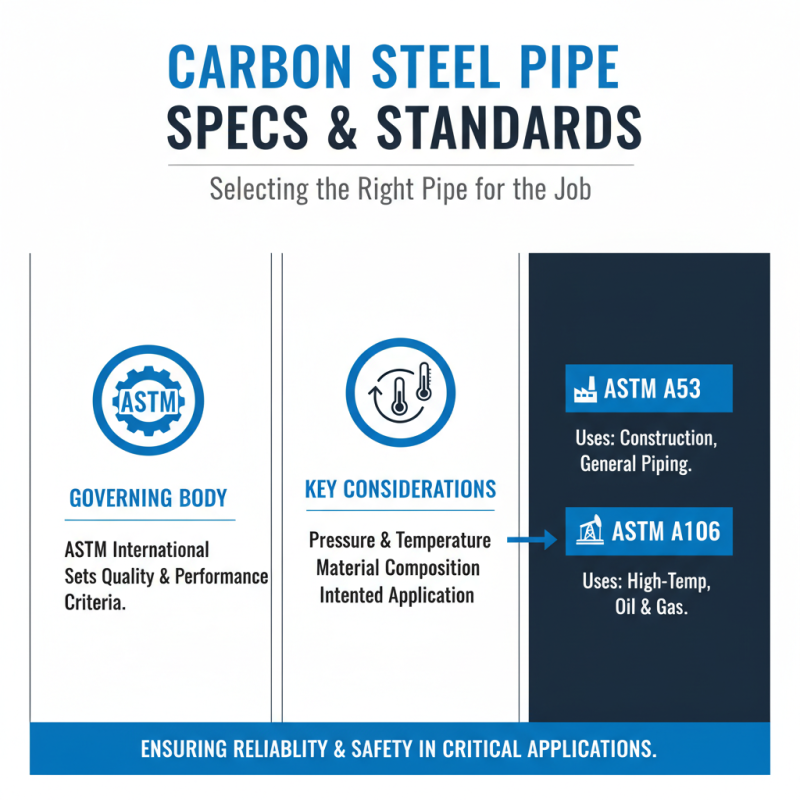
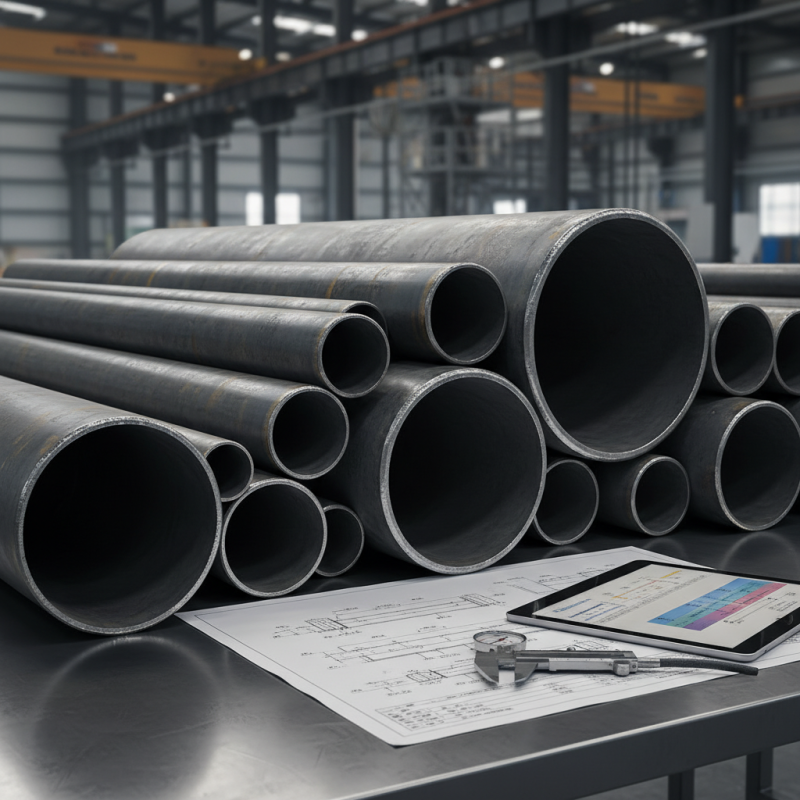
When selecting carbon steel pipes, understanding their specifications and standards is crucial. The American Society for Testing and Materials (ASTM) sets the criteria for quality and performance. Different grades, like ASTM A53 and A106, have distinct uses in construction and oil and gas applications. These standards ensure that the pipes can withstand specific pressures and temperatures.
Additionally, the American National Standards Institute (ANSI) provides guidelines on dimensions. For example, the pipe diameter and wall thickness are critical factors. Following the ANSI B36.10 helps ensure consistency in the manufacturing of carbon steel pipes. However, it’s important to note that not every supplier adheres strictly to these standards.
Notably, a report from the Global Steel Pipe Market forecast indicates a growth rate of around 5% annually, driven by rising infrastructure projects. This progress may lead to supply issues if manufacturers cut corners on quality to meet demand. Buyers must remain vigilant about these specifications to avoid compromising on safety and reliability.
Evaluating the Mechanical Properties of Carbon Steel Pipes
When evaluating the mechanical properties of carbon steel pipes, it’s crucial to consider their strength and durability. These pipes must withstand various stresses in industrial applications. Tensile strength, yield strength, and elongation are key metrics to assess. High tensile strength ensures pipes can bear heavy loads, while yield strength indicates the point of deformation. Measuring elongation provides insight into ductility, helping predict how the pipe will behave under pressure.
Another important factor is hardness. Harder carbon steel offers better resistance to wear and tear. However, excessive hardness can lead to brittleness, making pipes prone to cracking. It's vital to find a balance between hardness and ductility. Impact tests are helpful to check how pipes respond to sudden force.
Be mindful of your specific application needs. Sometimes, detailed specifications can be overlooked, leading to costly mistakes. A thorough evaluation of mechanical properties ensures you choose the right pipe for your project. Seek advice from industry experts when in doubt. They can provide valuable insights and guidance.
10 Essential Tips for Choosing the Right Carbon Steel Pipe - Evaluating the Mechanical Properties of Carbon Steel Pipes
| Property |
Specification |
Typical Value |
Importance |
| Tensile Strength |
ASTM A106 |
70,000 psi |
High strength under tension |
| Yield Strength |
ASTM A53 |
35,000 psi |
Resistance to deformation |
| Elongation |
ASTM A106 |
20% |
Ductility of the material |
| Hardness |
Rockwell B Scale |
80 HRB |
Resistance to scratching |
| Impact Toughness |
ASTM A672 |
20 ft-lb |
Ability to absorb shock |
| Corrosion Resistance |
ASTM A519 |
Moderate |
Durability in harsh environments |
Assessing the Corrosion Resistance of Carbon Steel Materials
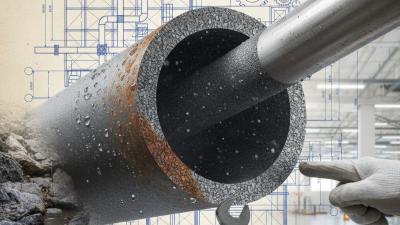
When selecting carbon steel pipes, assessing corrosion resistance is crucial. Carbon steel is strong and durable but can be vulnerable to corrosion in specific environments. Factors like moisture, temperature, and chemical exposure can significantly affect its lifespan. Understanding these variables helps in making informed choices.
One effective method to evaluate corrosion resistance is conducting a corrosion test. This method exposes the carbon steel to a controlled environment for a set period. Observing any degradation during this time reveals its resistive qualities. Additionally, consider using protective coatings. These coatings, though effective, may wear over time. Regular inspections are necessary to ensure continued protection against corrosion.
Environmental conditions often vary, and not all applications require the same level of resistance. For instance, coastal areas have higher salt content, increasing the likelihood of corrosion. In these situations, alternative materials or additional treatments may be warranted. It's essential to weigh the costs and the expected performance to avoid premature failures that can arise from overlooked details.
Corrosion Resistance Assessment of Carbon Steel Pipes
Choosing the Right Size and Schedule for Your Carbon Steel Pipe
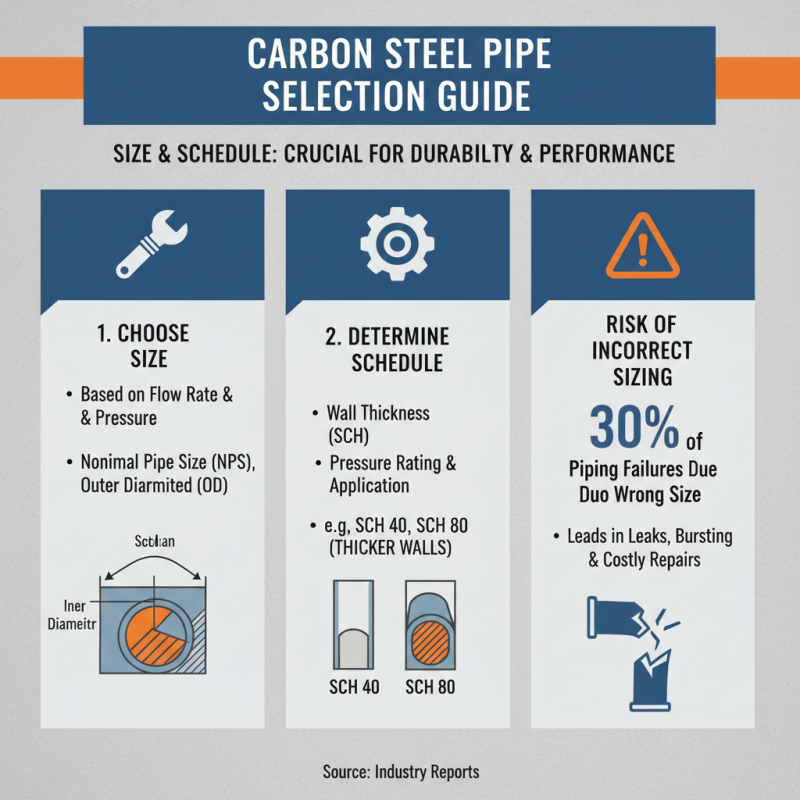
Choosing the right size and schedule for your carbon steel pipe is crucial for any project. Proper selection impacts durability and performance. Industry reports suggest that up to 30% of piping failures are due to incorrect sizing. This statistic highlights the importance of precise calculations.
When determining size, factors such as internal pressure and flow rate are key. For instance, a larger diameter allows for higher flow rates, which is beneficial in many applications. However, over-sizing can lead to increased costs and unnecessary material usage. The American Society of Mechanical Engineers (ASME) provides guidelines that are invaluable for these decisions. They emphasize that the nominal pipe size, as well as the wall thickness schedule, must align with the specific application.
The schedule of carbon steel pipes indicates wall thickness, affecting the pipe’s ability to handle pressure. A thicker wall provides higher strength. The most common schedules are 40 and 80, but depending on the project's demands, others may be necessary. An analysis indicated that selecting the wrong schedule could impact safety margins. Maintaining the right balance between size and schedule is essential for pipeline integrity and efficiency.
Examining Cost-Effectiveness and Longevity of Carbon Steel Options
When evaluating carbon steel pipes, cost-effectiveness is a key factor. These pipes often come with a lower initial price compared to other materials. However, the true value lies in their durability. A well-chosen carbon steel pipe could last decades, saving you replacement costs and maintenance expenses.
Longevity is tied to the quality and correct application of the pipe. Improper installation can lead to issues, undermining the long-term benefits. Regular inspections help identify potential corrosion and wear. It’s crucial to balance up-front costs with long-term performance. Sometimes, a cheaper option may not provide the reliability needed in demanding environments.
Finding the right carbon steel pipe requires careful thought. Consider factors like environment and pressure ratings. By doing so, you can make a more informed decision. This approach ensures that your investment leads to lasting satisfaction and performance. Reflect on your choices, and remember: the best material for one situation may not suit another.