
Choosing a Turn-Mill Cnc Machine requires more than comparing spindle speed and price. The right model must match your parts, materials, tolerances, and production rhythm. A machine built for stainless steel valve bodies may be excessive for small aluminum fittings. It may also struggle with long, flexible shafts.
Start with the workpiece. Measure its maximum diameter, length, weight, and clamping area. Then review the turning diameter, machining length, spindle bore, and tool capacity. These figures should leave practical clearance, not just meet the drawing. A crowded work envelope creates setup problems. Small details matter.
Live tooling and a B-axis can reduce handling between operations. That advantage becomes valuable when a part needs drilling, milling, and turning in one setup. However, advanced features increase programming demands, maintenance needs, and training costs. More capability is not always better. Sometimes, simpler is safer.
Evaluate the control system, chip management, coolant delivery, and service support. Ask the supplier for sample cycle times, accuracy data, and references from similar applications. Experienced machinists can reveal issues that brochures rarely mention, such as awkward tool changes or difficult access to the chuck. Check repeatability under realistic production conditions, not only during a showroom demonstration.
Budget beyond the purchase price. Include tooling, workholding, installation, software, operator training, energy use, and preventive maintenance. A cheaper machine can become expensive when downtime accumulates. Yet a premium configuration may remain underused. That is where careful reflection helps. Your best choice should support current production while allowing sensible future growth, without paying for impressive specifications you will never use.
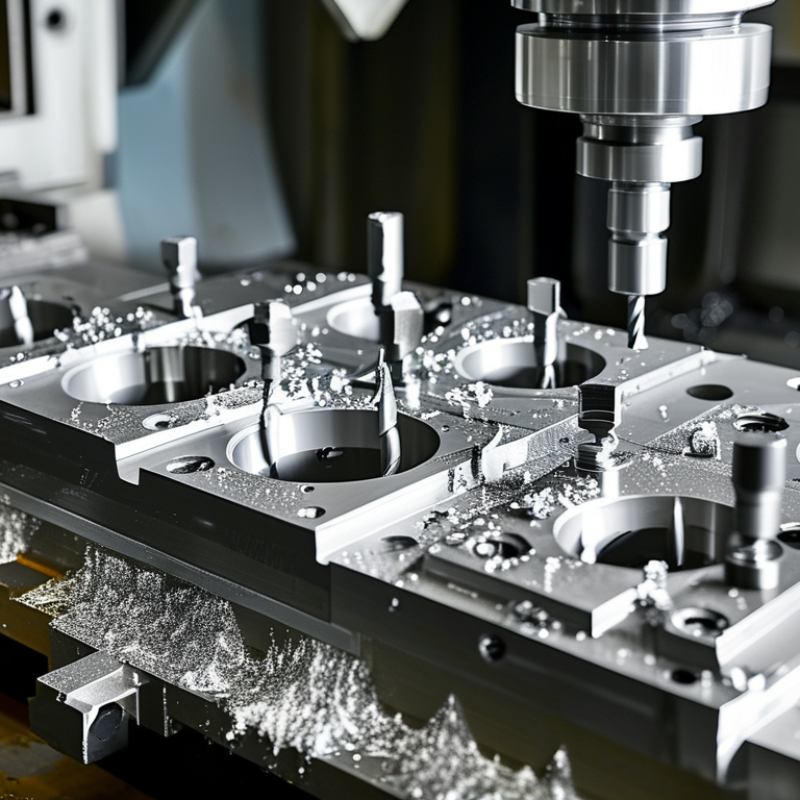
Choosing a turn mill CNC machine starts with understanding its structure and working range. Horizontal turn mill machines suit long, round components and common chucking operations. Vertical models can support heavier, shorter parts with better loading access. Machines with a Y-axis perform off-center drilling and milling more effectively. A B-axis head adds angled machining, while a sub spindle can complete both ends without manual repositioning.
Capabilities matter more than appearance. Check the main spindle speed, torque, bar capacity, and maximum turning diameter. Then review milling power, tool capacity, rapid movement, and positioning accuracy. A machine may advertise five-axis movement, but its real value depends on rigidity and control quality. Thin walls, deep holes, and hard alloys need stable cutting, not only more software functions. In practical evaluations, sample cutting is essential. A specification sheet cannot reveal vibration at a sharp corner.
Tips: Match the machine to your actual parts, not your future wishes. Bring drawings, material samples, and cycle-time targets to the evaluation. Ask for a test cut using similar tools and tolerances. Check chip evacuation around the workholding area. Also inspect access for maintenance and tool changes. A larger machine is not automatically better. It may consume more floor space and energy while offering unused capacity. Conversely, selecting a small model can create thermal drift, crowded tooling, and repeated setups. That compromise is easy to overlook. Review inspection methods, operator training, and programming support before purchase. Reliable production depends on the complete process, not the machine alone.
| Turn Mill CNC Machine Type | Primary Configuration | Typical Turning Capacity | Typical Milling Capability | Common Spindle Arrangement | Best Suited For | Main Advantages | Key Selection Considerations |
|---|---|---|---|---|---|---|---|
| 2-Axis CNC Turning Center | One main spindle with X- and Z-axis movement; live tooling may be limited or unavailable. | Approx. 200–800 mm maximum turning diameter | Limited milling; generally suitable for drilling or simple axial work when driven tooling is available. | Single spindle | Primarily rotational components such as shafts, bushings, and threaded parts | Simple operation, lower initial cost, and efficient turning performance. | Choose this type when milling content is minimal and most operations are turning-based. |
| Y-Axis Turn Mill Center | Main spindle with X, Z, and Y-axis interpolation plus driven tooling. | Approx. 200–700 mm maximum turning diameter | Off-center drilling, tapping, slotting, face milling, and limited contour milling. | Single spindle | Complex parts requiring both turning and moderate milling in one setup | Reduces secondary setups and improves feature-to-feature accuracy. | Check Y-axis travel, driven-tool torque, tool clearance, and the available milling envelope. |
| C-Axis Turn Mill Center | Main spindle can index or continuously interpolate angular positions for milling operations. | Approx. 150–600 mm maximum turning diameter | Radial holes, keyways, flats, cross-drilling, and polygonal features. | Single spindle with C-axis control | Parts with accurately positioned features around the circumference | Provides precise angular positioning without removing the workpiece. | Verify C-axis indexing accuracy, clamping torque, and compatibility with driven tools. |
| Sub-Spindle Turn Mill Center | Main spindle and secondary spindle transfer the workpiece for front- and back-side machining. | Approx. 150–600 mm maximum turning diameter | Driven-tool milling on both ends, including cross holes and end-face features. | Main spindle plus sub-spindle | Parts requiring complete machining on both sides | Can finish multiple faces in one cycle and reduce manual part handling. | Evaluate sub-spindle travel, transfer clearance, synchronization, and part-support requirements. |
| Twin-Spindle Turn Mill Center | Two independently controlled spindles can machine separate operations or transfer the part between spindles. | Approx. 150–500 mm maximum turning diameter per work zone | Turning and milling can be distributed between two synchronized work areas. | Two main-capability spindles | High-volume production with balanced front- and back-side operations | Improves throughput and supports simultaneous or sequential machining strategies. | Consider spindle synchronization, chip evacuation, programming complexity, and automation needs. |
| B-Axis Turn Mill Center | Rotating milling spindle tilts around a B-axis to approach features at multiple angles. | Approx. 100–500 mm maximum turning diameter | Multi-face, angled, and complex 3D milling; drilling and tapping at compound angles. | Main spindle with tilting milling spindle | High-complexity parts that would otherwise require several setups | Expands tool access and can machine many angled surfaces in a single clamping. | Assess B-axis range, rotary-axis accuracy, machine rigidity, tool length, and collision control. |
| Swiss-Type Turn Mill Machine | Sliding headstock with guide bushing supports the material close to the cutting zone. | Typically about 3–38 mm bar capacity; larger ranges are available in some configurations | Driven tools can perform cross-drilling, milling, slotting, and polygon turning. | Main spindle, often with a sub-spindle | Long, slender, small-diameter precision parts and high-volume bar work | Excellent support for slender workpieces and efficient machining from bar stock. | Check bar diameter, guide-bushing system, material remnant, tooling density, and part length. |
| Vertical Turn Mill Center | Workholding spindle is oriented vertically; milling and turning tools approach from the sides or above. | Approx. 500–2,500 mm maximum turning diameter | Face milling, drilling, contouring, and heavy cutting on large or heavy components. | Single vertical spindle; optional milling spindle or live tooling | Large-diameter, heavy, short, or disk-shaped components | Smaller floor footprint and gravity-assisted workholding for heavy parts. | Confirm table load, chuck diameter, maximum workpiece height, rigidity, and chip removal. |
| Horizontal Turn Mill Center | Workpiece is held horizontally, usually with a chuck, collet, or bar-feeding system. | Approx. 150–800 mm maximum turning diameter | Driven-tool milling, axial and radial drilling, tapping, and contouring. | Single or dual horizontal spindle | General-purpose production of shafts, fittings, flanges, and precision components | Broad application range, strong automation compatibility, and effective chip flow. | Compare bar capacity, spindle bore, chuck size, milling power, tailstock support, and automation options. |