Call Us

(905) 670-0113

How to Choose the Right Stainless Steel Pipe for Your Project?

Choosing the right stainless steel pipe for your project can be challenging. Industry expert, John Smith, emphasizes the importance of selection: "Not all stainless steel pipes are created equal." This statement highlights how crucial it is to understand material specifications, pipe grades, and intended use.

Different projects require different types of stainless steel pipes. Factors such as corrosion resistance, strength, and budget play significant roles. For instance, 304 and 316 stainless steels serve various applications, yet 316 provides better corrosion resistance. Relying on detailed product specifications is key to avoid costly mistakes down the line.

Furthermore, don't overlook the necessity for expert advice. Mistakes can lead to project delays or even failures. A critical aspect of this decision-making process involves evaluating your suppliers. Researching reliable manufacturers can help ensure you receive high-quality materials. This is essential for the longevity and safety of your project.
How to Choose the Right Stainless Steel Pipe for Your Project?

Types of Stainless Steel Pipes and Their Applications

When selecting the right stainless steel pipes, understanding the types available is crucial. There are several categories, including seamless, welded, and alloyed pipes. Seamless pipes are manufactured without any welding, offering a strong and smooth structure. They are commonly used in high-pressure applications, making them essential in industries like oil and gas.

Welded pipes, on the other hand, are created by welding flat pieces of stainless steel together. They are more cost-effective and suitable for low-pressure environments. Applications often include water transportation and construction. Alloyed pipes often contain elements like nickel and molybdenum, enhancing their resistance to corrosion in harsh conditions, which is vital in chemical processing and marine environments.

Selecting the appropriate pipe also requires attention to fit and diameter. An improper size can lead to leaks or pressure loss. Many professionals overlook this detail, emphasizing the need for precise measurements. Consider the specific requirements of your project, and don't hesitate to consult experts to ensure optimal performance.
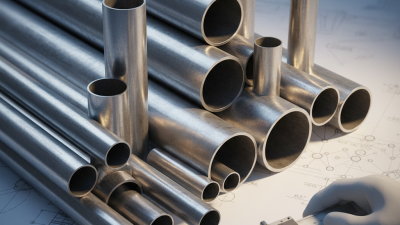
Factors to Consider When Selecting Stainless Steel Pipes

When selecting stainless steel pipes, several factors come into play. The grade of stainless steel, for instance, affects strength and corrosion resistance. Common grades include 304 and 316. These grades are vital for specific applications, like food or marine environments. Will your pipes be exposed to saltwater? If so, 316 may be a better choice for durability.

Another consideration is the pipe's diameter. This measurement influences flow rates and pressure levels. Choose a diameter that aligns with your project's requirements. Too small a pipe can lead to clogs. Conversely, a pipe that's too large can be costly and inefficient.

Don't overlook the thickness of the pipe walls. Thicker walls offer greater strength but will add weight. This added weight might not be ideal for all projects. Ensuring the right balance is crucial. Making these choices requires careful thought. Reviewing the project’s demands is essential before making a final decision. Always take the time to weigh each factor appropriately.

Understanding Stainless Steel Grades and Their Properties

Choosing the right stainless steel pipe requires understanding its various grades and properties. Stainless steel is not just one type; it includes several grades, each tailored for different applications. For example, 304 stainless steel is known for its corrosion resistance and is commonly used in kitchen equipment and food processing. It contains 18% chromium and 8% nickel, making it durable yet easy to form.

On the other hand, 316 stainless steel offers superior corrosion resistance, particularly against chlorides. It is often used in marine environments. Understanding these properties helps in making informed decisions. You might consider the environment in which the pipe will be placed. Will it be exposed to saltwater? If so, 316 may be your best bet. Yet, many overlook the importance of the right grade and choose based on appearance or price alone.

Another crucial aspect is the pipe's strength and pressure tolerance. Not all projects require high strength. Sometimes, over-specifying can lead to unnecessary expenses. Reflect on your project's specific needs. The right choice might not always be the most expensive or the most robust option. Always factor in the application environment and overall requirements to find the best fit.

Installation Techniques for Stainless Steel Pipes

When installing stainless steel pipes, proper technique is key to ensuring durability and performance. According to industry reports, approximately 70% of failures in piping systems occur due to improper installation. Understanding the material is essential. Stainless steel can withstand high temperatures and corrosive environments, but the wrong joining method can lead to leaks and structural failure.

Welding is one common technique for connecting stainless steel pipes. It provides strong, leak-proof joints that can handle high pressure. However, not all welders are skilled in working with stainless steel. Improper welding can introduce weak points in the pipe. Experts recommend following standardized procedures, like using argon gas shielding, to protect the weld from contamination during the process. A poorly executed weld might fail under stress more quickly than a well-crafted joint.

Mechanical connections, such as flanges and couplings, are easier to install. They allow for flexibility in adjustments and maintenance. However, if not correctly tightened, these joints can lead to significant pressure losses. A study found that nearly 30% of leaks stem from poorly secured mechanical connections. Inspecting connections regularly can save time and money in the long run. Each installation technique has its pros and cons, highlighting the importance of choosing the right method based on specific project requirements.

Maintenance Tips for Stainless Steel Pipes in Various Environments

Maintaining stainless steel pipes in various environments is essential for longevity and performance. In humid areas, moisture can cause corrosion despite stainless steel's resistance. Regular inspections, cleaning, and using protective coatings can help extend the life of the pipes. Even minor surface scratches can lead to bigger issues if left unaddressed.

For industrial settings, exposure to chemicals may affect stainless steel. Frequent checks for signs of wear or chemical reactions are crucial. Implementing a cleaning schedule that uses appropriate solvents will prevent buildup. Sometimes, it’s easy to overlook these details, leading to unnecessary repairs.

In coastal environments, salt air can accelerate corrosion. Rinsing pipes with fresh water can minimize the impact of salt deposits. Avoiding abrasive materials during cleaning is vital, as they can damage the surface. Reflecting on maintenance habits may reveal areas for improvement. Standards evolve, and staying informed can improve the effectiveness of care strategies.