How to Choose the Right Camlocks for Your Needs?
When selecting camlocks, understanding their unique features and applications is crucial. Industry expert John Smith states, "Choosing the right camlocks can significantly enhance safety and efficiency." His insight reflects the importance of matching camlocks to specific needs.
Camlocks come in various materials and sizes. Each option serves different functions, from agriculture to industrial uses. A suitable camlock can prevent leaks and increase productivity. However, the wrong choice may create risks. Therefore, taking time to evaluate all factors is essential.
Whether you are a novice or a seasoned user, the right camlocks will simplify your tasks. Familiarizing yourself with their specifications and performance can lead to better decision-making. In an arena where precision matters, each choice counts. Be mindful, and don’t rush into decisions. Understanding your requirements ensures performance and safety.
Understanding the Basics of Camlocks and Their Functionality
Camlocks are essential components in various industries, providing secure connections for hoses and piping systems. Understanding how they function can help you choose the right type for your specific needs. Camlocks are designed to make connecting and disconnecting quick and easy. They consist of two main parts: a male adapter and a female coupler. When the two are joined, a simple lever mechanism locks them in place, creating a secure seal.
The design of camlocks allows for versatility across different applications. From fluid transfer to air handling, their functionality is remarkable. Different materials, such as aluminum, stainless steel, and polypropylene, cater to various environments and fluid types. Corrosion resistance is crucial in many situations. Choosing the right material can make a significant difference in durability. It’s essential to consider these factors while selecting camlocks to avoid potential leaks or failures.
However, it’s worth noting that not all camlocks are created equal. Some may not hold up under extreme pressure or temperature. It’s a common oversight to assume that a standard camlock will suit every task. Reviewing the specifications carefully is vital. A minor error in selection can lead to significant challenges in operations. Analyzing your requirements and seeking expert advice can prevent costly mistakes.
Identifying Your Specific Application Needs for Camlocks
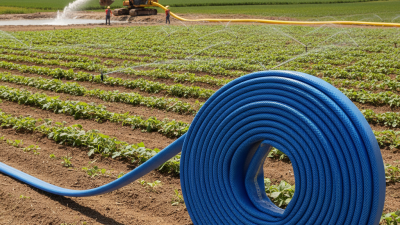
When selecting camlocks, identifying your specific application needs is crucial. Camlocks are versatile fittings used in various industries, including agriculture, construction, and water management. The type of fluid or material being handled plays a significant role in your choice. For instance, handling chemicals requires camlocks made from materials that resist corrosion.
According to industry reports, over 30% of equipment failure is linked to improper fittings. This highlights the importance of matching camlocks to the intended application. Consider the pressure rating and temperature range required. Many camlocks are rated for specific pressures, and exceeding these can lead to leaks or failures. In a study, nearly 25% of users reported issues due to mismatched specifications, emphasizing the necessity of accuracy.
In addition, think about the installation space and ease of use. Different designs offer varied accessibility. Limited space might make certain configurations impractical. Pay attention to factors like locking mechanisms and sealing ability. A loosely fitted camlock can create major operational disruptions. Ultimately, the right choice is essential, as it impacts both safety and efficiency.
Comparing Material Types and Their Suitability for Different Conditions
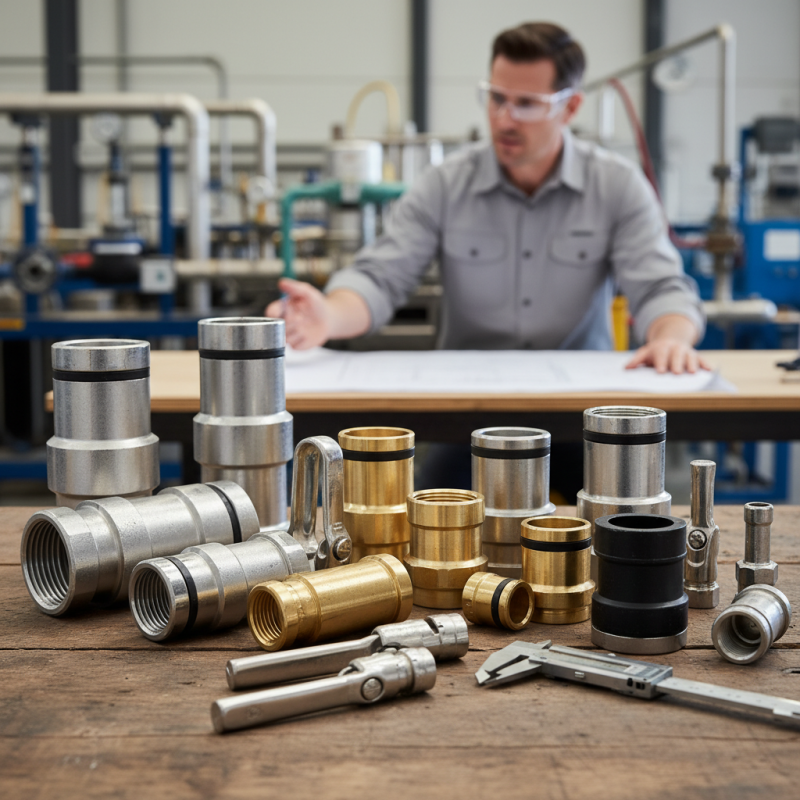
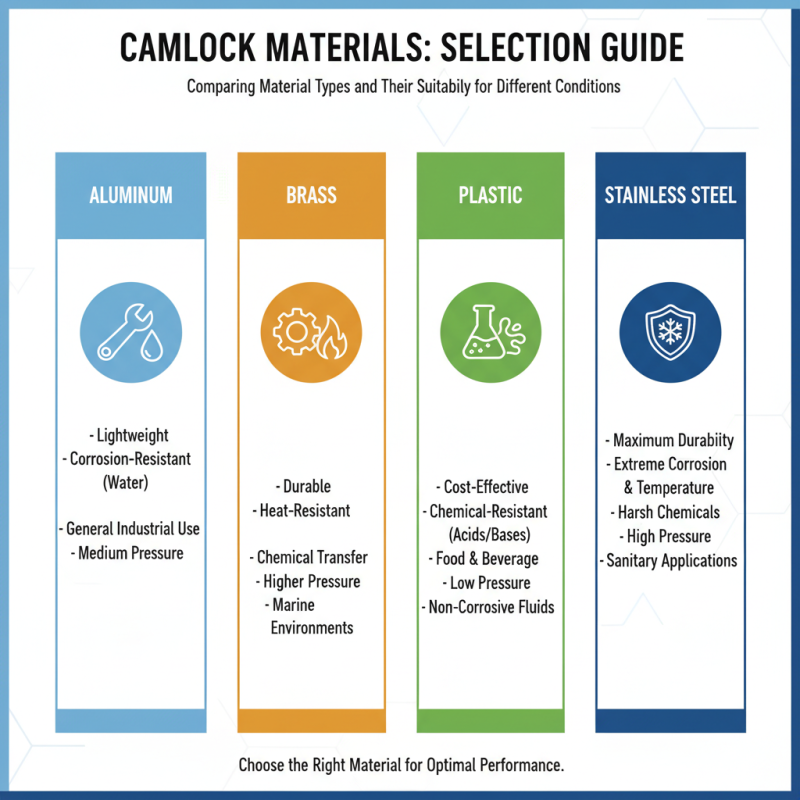
When selecting camlocks, choosing the right material can significantly impact performance. Common materials include aluminum, brass, plastic, and stainless steel. Each type has unique attributes that affect durability and suitability for different conditions.
Aluminum camlocks are lightweight and resistant to corrosion, making them ideal for non-potable applications. However, they may not endure extreme temperatures well. Brass offers superior strength and conductivity. It performs well in harsh environments but is prone to corrosion in saltwater. On the other hand, plastic camlocks are cost-effective but have limitations in terms of mechanical strength. They are suitable for low-pressure applications. Stainless steel camlocks resist corrosion and are perfect for high-pressure situations. They are often used in food processing and pharmaceuticals.
Tips: Always consider the environment where the camlock will operate. Extreme temperatures or corrosive substances can lead to premature failure. Ensure to match the camlock material with the specific project needs to enhance reliability.
When choosing camlocks, reflect on the long-term implications. Selecting a cheaper material may save costs upfront but could result in frequent replacements. This trade-off often outweighs initial savings, leading to more significant issues down the road. Understanding the material properties enables better decision-making and long-term success.
Evaluating Size and Threading Options for Optimal Performance
When selecting camlocks, evaluating size and threading options is crucial for performance. The right size ensures a tight fit, preventing leaks and maximizing efficiency. Measure the diameter of your pipes carefully. Sizes often vary between manufacturers. A small difference in size can lead to significant issues in your operations.
Threading options also require careful consideration. Camlocks often come in different threading types: NPT, BSP, and others. Each threading type serves a unique purpose. Misalignment can lead to failure in the connection. You might find threaded options to be cumbersome. They may not suit your quick-connect needs. Investigate materials used in threading, as they impact durability. Stainless steel may offer more reliability than plastic options, for instance.
Reflect on your specific situation. Some may prioritize speed over security, while others focus on a robust, leak-free seal. Each application is unique, requiring a tailored approach. Balancing size, threading, and materials plays a vital role in achieving the desired performance.
Exploring Manufacturer Quality and Industry Standards for Safety
When selecting camlocks, considering the quality of the manufacturer is crucial. Industry reports highlight that nearly 35% of camlock failures stem from poor manufacturing practices. This underlines the importance of sourcing from reputable producers who adhere to industry standards like ISO 9001. Such certifications ensure that manufacturing processes meet strict quality control benchmarks. This is not just a minor detail, but a crucial factor in maintaining operational safety and performance.
Safety is often compromised due to substandard components. According to a study by the National Institute of Standards and Technology, improper fittings can increase leak risks by over 50%. This statistic emphasizes the need for quality checks. Sensible choices in camlocks can prevent costly incidents. The potential for human error also rises with lower-quality components. Regular assessments of the chosen camlocks can be beneficial. Manufacturers that provide reliability tests are more likely to be trusted.
Investing time in ensuring compliance with safety standards pays off in the long term. Subpar camlocks may seem appealing due to lower prices, but the risks can outweigh the benefits. It is essential to reflect on the past choices made when suppliers are evaluated. A thoughtful selection process fosters a safe working environment. The right camlock can make all the difference in achieving safety and efficiency.
Camlock Types Usage Comparison