How to Choose the Right Steel Grating for Your Project?
Choosing the right Steel Grating for your project is crucial. Steel grating serves various functions, from industrial flooring to drainage covers. It offers durability and strength. However, not all steel grating options are equal. Factors like load capacity, spacing, and finish matter.
Consider how the grating will be used. Will it bear heavy machinery? Or will it simply provide foot traffic support? Evaluating these aspects can be complex. Each project has unique needs.
Consulting with experts can clarify your options. Sometimes, a trusted supplier can guide you toward the right choice. Reflect on your project requirements carefully. Investing time in selection can prevent costly mistakes later. In the end, the right steel grating can enhance your project’s safety and efficiency.
Understanding Different Types of Steel Gratings Available in the Market
When selecting steel grating for your project, understanding the different types available is crucial. There are several types of steel gratings on the market, including bar grating, welded grating, and expanded metal grating. According to a report by Research and Markets, the global steel grating market is expected to grow significantly, reaching approximately $2.5 billion by 2026. This growth indicates a growing demand for various applications, including industrial, commercial, and residential use.
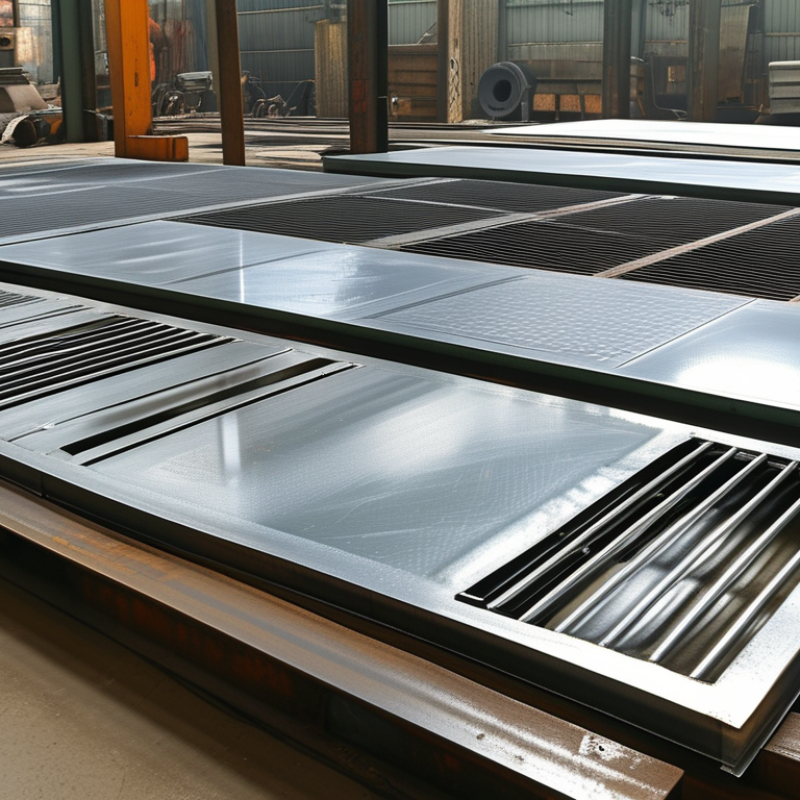
Bar grating is often preferred for its strength and weight. It usually consists of parallel bars that provide high load capacity while ensuring adequate drainage. Welded grating can be found in heavy-duty applications, thanks to its superior stability. Additionally, expanded metal grating offers good ventilation and visibility, making it ideal for safety purposes. Each type has its strengths, and choosing the right one depends on specific project needs.
However, selecting the right grating isn't always straightforward. Consider load requirements, environmental factors, and intended use. Some projects may require a balance between durability and cost. Research shows that projects may overspend by 10-15% due to poor material selection. Consulting with experts can help navigate this complex landscape and identify the best option for your project.
How to Choose the Right Steel Grating for Your Project?
| Type of Steel Grating | Material | Load Capacity | Application | Slip Resistance |
| Carbon Steel Grating | Carbon Steel | Up to 60,000 lbs | Industrial Flooring | Moderate |
| Stainless Steel Grating | Stainless Steel | Up to 25,000 lbs | Walkways, Platforms | High |
| Fiberglass Grating | Fiberglass | Up to 10,000 lbs | Chemical Plants | Very High |
| Expanded Metal Grating | Steel or Aluminum | Moderate | Ventilation, Decking | Moderate |
| Trench Grating | Steel or Polymer | Up to 30,000 lbs | Drainage Systems | High |
Key Factors to Consider When Selecting Steel Grating for Your Project
When selecting steel grating for a project, several key factors come into play. Load capacity is critical. Steel grates must support anticipated weight. According to the American National Standards Institute (ANSI), choosing a grating with sufficient loading specifications is essential for safety and longevity.
Another aspect is the type of steel used. Stainless steel provides resistance to corrosion, while carbon steel is a more economical option. Evaluating the environment where the grating will be installed can guide material choice. For instance, areas prone to moisture require corrosion-resistant grates.
Tips: Always consider future maintenance. Some steel grates require regular inspections to prevent rust. Installation methods can also influence durability. Factoring in the installation environment helps avoid future issues. Remember, checking specifications might be tedious, but it is vital for a successful project.
Applications and Uses of Steel Grating in Various Industries
Steel grating is widely used across various industries due to its versatile applications. In construction, it provides safe, slip-resistant surfaces. Walkways, platforms, and stair treads benefit from this sturdy material. Its ability to support heavy loads makes it ideal for industrial settings, such as factories and warehouses. It can also withstand harsh weather conditions, ensuring longevity.
In the agricultural sector, steel grating is commonly utilized for drainage systems. It prevents debris buildup while allowing water to flow freely. This feature is essential for maintaining fields and livestock areas. Additionally, its open design promotes airflow, which is crucial in waste management facilities. However, it's important to consider the specific needs of each project. Sometimes, the wrong choice can lead to safety hazards or premature wear.
In the marine industry, steel grating is used for docks and piers. The resistance to corrosion makes it suitable for coastal environments. While it offers many advantages, such as cost-effectiveness and low maintenance, it may not be suitable for all applications. Understanding these nuances can guide better decision-making. Careful evaluation of the project requirements is key.
Maintenance and Durability Considerations for Steel Grating Choices
When selecting steel grating for a project, maintenance and durability deserve significant attention. Steel grating options vary widely. The right choice can impact long-term performance and safety. A report by the American Institute of Steel Construction states that proper maintenance can extend the lifespan of steel grating by over 30%. However, many project managers overlook this aspect, which can lead to premature failures.
Corrosion resistance is crucial. Steel grating can be treated with different coatings to enhance durability. For instance, galvanization protects against rust. Studies show that untreated steel can lose up to 50% of its strength within 5 years in harsh environments. Regular inspections and cleaning also play a role in longevity. Simple maintenance tasks can prevent costly replacements.
Noise reduction is another often neglected factor. Some steel gratings can amplify sound, leading to a noisy work environment. A study from the Noise Control Engineering Journal indicates that specific grating designs can reduce sound levels by up to 10 decibels. Evaluating these features is vital for both functionality and comfort. And yet, many decision-makers fail to prioritize these factors in their analysis. This oversight can lead to discomfort and increased operational challenges in the long run.
Cost Analysis: Budgeting for Steel Grating Selection and Installation
When budgeting for steel grating selection and installation, it's crucial to assess both material costs and installation expenses. Steel grating comes in various types, each with different price points. Consider the specific needs of your project, such as load capacity and environmental factors. Prices can range significantly, so conduct a comprehensive market analysis.
Tips: Always compare quotes. Different suppliers may offer varying prices for the same type of grating. Don’t forget additional costs like shipping or handling fees.
Installation costs can vary based on complexity. If welding is required, ensure you factor in skilled labor costs. DIY installation may save money, but it also carries risks, especially for large projects. Heavy-duty grating often requires professional installation to guarantee safety.
Tips: Assess your own skills honestly. If you lack experience, hiring professionals may avoid costly mistakes. Always set aside a contingency budget for unexpected expenses that might arise during the installation process.