How to Choose the Right Plastic Tubing for Your Projects and Applications
In the ever-evolving world of manufacturing and construction, the selection of materials plays a crucial role in the success of projects. One often-overlooked yet vital component is plastic tubing. According to industry expert Dr. Jonathan Reed, a leading authority in materials engineering, “Choosing the right plastic tubing can significantly impact the efficiency and durability of a project.” This statement underscores the importance of understanding the various types of plastic tubing available and their respective applications.
As projects continue to diversify, so do the demands on materials. From electrical insulation to medical equipment, plastic tubing serves a myriad of purposes. Each application requires specific properties such as flexibility, resistance to chemicals, and temperature tolerance. Therefore, making an informed choice when selecting plastic tubing can mean the difference between project success and failure.
In this guide, we’ll explore key considerations for selecting the right plastic tubing tailored to your needs, helping you navigate through the diverse options and ensuring optimal results in your endeavors. Whether you are an experienced engineer or a DIY enthusiast, understanding how to choose the appropriate plastic tubing is essential for achieving your project goals.

Types of Plastic Tubing and Their Properties
When selecting plastic tubing for various projects and applications, understanding the types of plastic tubing and their properties is crucial. Plastic tubing, predominantly made from materials like polyethylene (PE), polyvinyl chloride (PVC), and polypropylene (PP), each offers distinct advantages suitable for specific needs.
For instance, polyethylene tubing is renowned for its flexibility and chemical resistance, making it ideal for agricultural applications where contact with fertilizers and pesticides is common. According to the Plastics Industry Association, the use of PE in agricultural applications is expected to grow by approximately 5% annually, underscoring its importance in the sector.
Polyvinyl chloride, or PVC, is another popular choice, particularly in construction due to its durability and resistance to environmental conditions. It is widely used in plumbing and electrical applications, where its properties can prevent damage from moisture and temperature fluctuations.
A report from Mordor Intelligence highlights that PVC tubing is projected to capture a substantial market share, driven by increased demand in infrastructure development. Conversely, polypropylene tubing offers higher temperature resistance and is favored in applications involving hot liquids and food processing, as its non-toxic nature ensures safety where hygiene is paramount.
Choosing the right type of plastic tubing ultimately hinges on understanding these material properties and aligning them with project requirements. As industries continue to innovate and evolve, the versatility of plastic tubing remains an indispensable component across various applications, further enhancing efficiency and functionality.
Factors to Consider When Selecting Plastic Tubing
When selecting plastic tubing for various projects and applications, several key factors should be taken into account to ensure optimal performance and efficiency. First and foremost, consider the material properties of the tubing. Different types of plastic, such as polyethylene, PVC, and nylon, have distinct characteristics that influence their flexibility, chemical resistance, and durability. Evaluating the specific environmental conditions the tubing will face—such as exposure to UV light, temperature fluctuations, and potential chemical interactions—is essential in choosing a material that will withstand operational demands.
In addition to material considerations, the size and dimensions of the tubing play a critical role in achieving the desired functionality. It's important to accurately assess the diameter and wall thickness needed for your particular use case, as this affects the flow rate, pressure tolerance, and overall compatibility with connecting components. Moreover, factors such as bend radius and working pressure should be taken into account to ensure that the tubing can be installed and maintained easily without compromising its performance. By carefully evaluating these factors, you can select the right plastic tubing that meets the specific requirements of your projects.
Factors to Consider When Selecting Plastic Tubing
Applications of Plastic Tubing in Various Industries
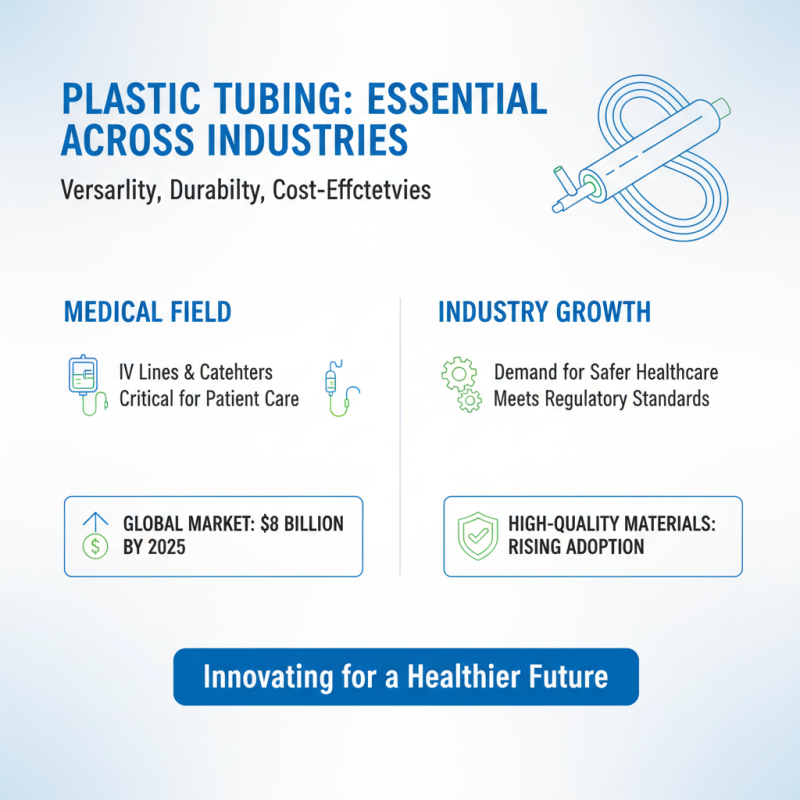
Plastic tubing has become an essential component across various industries due to its versatility, durability, and cost-effectiveness. In the medical field, for instance, it plays a crucial role in applications ranging from intravenous (IV) lines to catheters. According to industry reports, the global medical tubing market is projected to reach approximately $8 billion by 2025, driven by an increasing demand for safer and more efficient healthcare solutions. As hospitals and clinics prioritize patient care, the adoption of high-quality plastic tubing materials that meet stringent regulatory standards is expected to rise significantly.
In the construction and agricultural sectors, plastic tubing is widely utilized for its resilience against environmental factors. Agricultural irrigation systems, for example, often employ polyvinyl chloride (PVC) and polyethylene tubing to ensure water efficiency and reduce wastage. The International Irrigation Association estimates that advanced irrigation practices can improve crop yields by up to 30%, making the choice of durable tubing materials crucial for sustainability. Similarly, in construction, plastic tubing is increasingly used for plumbing and electrical conduits due to its resistance to corrosion and adaptability in various applications. With the construction industry projected to grow by over 5% annually, demand for reliable plastic tubing solutions is anticipated to flourish, highlighting the importance of tailored material selection for specific applications.
Comparing Cost and Durability of Different Plastic Tubing Materials
When selecting plastic tubing for projects, understanding the cost and durability of different materials is crucial. Common plastic materials include polyethylene (PE), polypropylene (PP), and polyvinyl chloride (PVC), each offering varying degrees of strength and flexibility, influencing both their suitability for specific applications and their overall cost. For instance, PE is often cost-effective and highly resistant to moisture, making it a popular choice for various fluid transport applications. However, it may not withstand high temperatures or certain chemicals as well as other materials.
On the other hand, PVC offers superior durability and chemical resistance, making it ideal for applications that involve harsher environments or corrosive substances. While the initial cost of PVC can be higher than that of PE, its longevity and resilience often result in lower long-term replacement and maintenance costs. Polypropylene, while typically more expensive, combines good chemical resistance with a high temperature tolerance, making it a robust choice for specialized applications. Similarly, understanding the trade-offs between cost and durability is essential in making an informed decision that will ensure the effectiveness and longevity of the tubing in various applications.
How to Choose the Right Plastic Tubing for Your Projects and Applications
| Material |
Cost per Foot ($) |
Durability (Years) |
Flexibility (1-10) |
Temperature Resistance (°F) |
| PVC |
0.20 |
10 |
6 |
140 |
| Polyethylene |
0.25 |
7 |
8 |
180 |
| Polypropylene |
0.30 |
8 |
5 |
210 |
| Silicone |
0.40 |
15 |
9 |
450 |
| Nylon |
0.50 |
12 |
7 |
350 |
Best Practices for Handling and Installing Plastic Tubing
When handling and installing plastic tubing, it's essential to follow best practices to ensure durability and performance over time.
First, always check the compatibility of the tubing material with the fluids or gases it will transport. This helps prevent degradation or leaks. Additionally, maintain
proper storage conditions; keep tubes in a cool, dry place away from direct sunlight, which can degrade the material.
Tips: When cutting plastic tubing, use a sharp utility knife for a clean cut, minimizing the risk of cracks or uneven edges that can lead to leaks.
It's also recommended to use appropriate connectors and fittings that are designed specifically for the type of tubing you are using, ensuring a secure and leak-free installation.
Another important aspect of installation is knowing the correct temperature range for both the tubing and the environment where it will be installed.
Extreme temperatures can affect the flexibility and integrity of the tubing. Make sure to support the tubing adequately to avoid sagging, which can lead to kinks and restrict flow.
By following these practices, you can enhance the reliability and longevity of your plastic tubing systems.