Why Choose Stainless Pipe for Your Next Project?
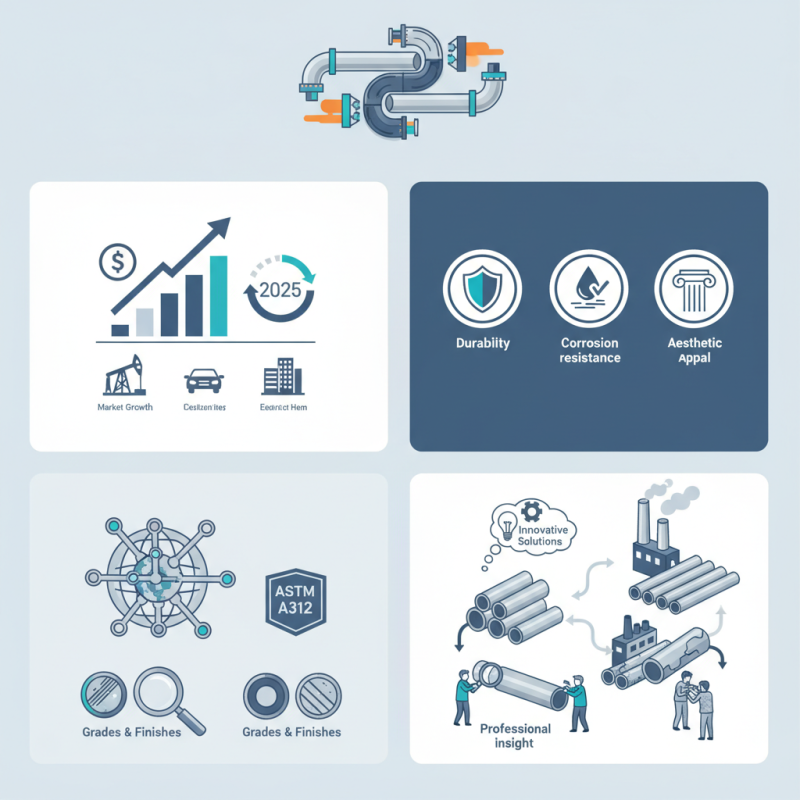
When it comes to selecting materials for construction and manufacturing, stainless pipe stands out for numerous reasons. According to a recent industry report by MarketsandMarkets, the stainless steel pipe market is projected to reach $15 billion by 2025, reflecting a substantial demand across various sectors, including oil and gas, automotive, and building construction. This growth is attributed to stainless steel's impressive durability, corrosion resistance, and aesthetic appeal.
Stainless pipes are not just popular; they are essential in many applications. Their capability to withstand harsh environments makes them a reliable choice. For instance, the ASTM A312 standard for stainless steel pipes is recognized globally for ensuring performance and quality. However, not all stainless pipes are created equal. Users must assess the specific grades and finishes to match their project's requirements. With a vast variety available, understanding the nuances becomes crucial for making informed decisions.
Still, challenges exist in sourcing quality stainless pipes. Variability in production methods and material integrity can affect performance. Research from the International Stainless Steel Forum indicates that ensuring consistency in manufacturing is vital for maintaining industry standards. As projects demand more innovative solutions, the selection of stainless pipe requires careful consideration and professional insight to ensure optimal outcomes.
Advantages of Stainless Pipe in Construction and Manufacturing
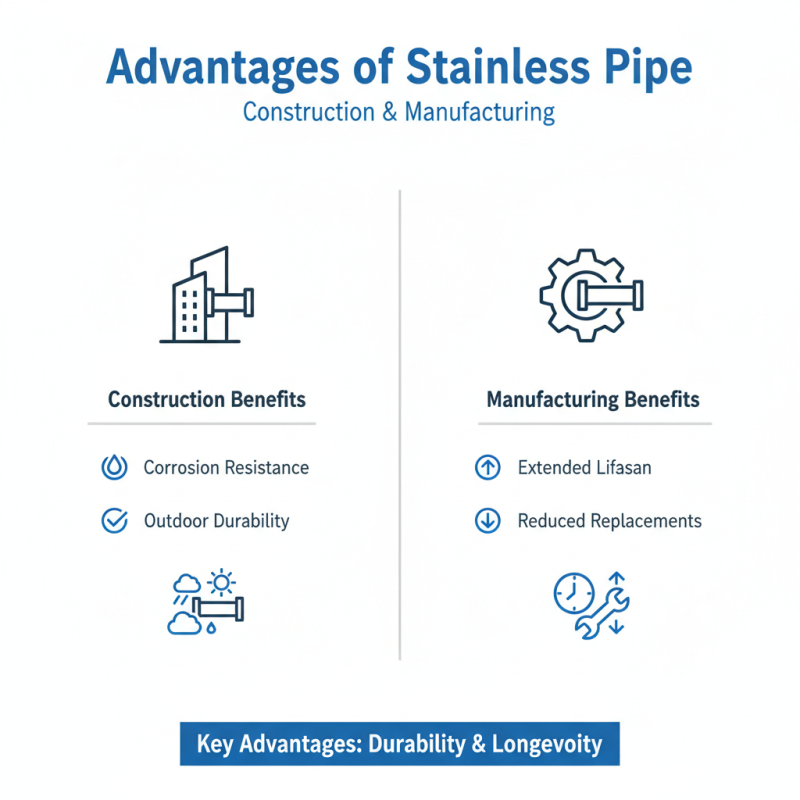
Stainless pipe offers numerous advantages in both construction and manufacturing. Its resistance to corrosion makes it ideal for outdoor projects. Exposure to moisture and harsh environments does not wear it down quickly. This durability ensures a longer lifespan, reducing the need for replacements.
In addition to longevity, stainless pipe is versatile. It can be molded and shaped into various diameters and lengths. This adaptability allows for innovative designs in plumbing and structural applications. However, using stainless pipe requires skilled labor for proper installation. Inadequate installation may lead to leaks or structural weaknesses.
Cost can be a concern, as stainless pipe is typically more expensive than other materials. Yet, the long-term savings on maintenance and replacements often outweigh the initial investment. A good approach is to assess project needs closely. Consider the environment, load requirements, and budget before making a decision. Balancing these factors is crucial for an effective outcome.
Corrosion Resistance: Key Benefit of Stainless Steel Pipes
When considering materials for plumbing or industrial projects,
stainless steel pipes stand out due to their exceptional
corrosion resistance. They can endure harsh environments, making them ideal for both
indoor and outdoor applications. The chromium in stainless steel forms a protective layer that prevents rusting, ensuring longevity.
This means fewer replacements and less maintenance over time.
However, not all stainless pipes are created equal. Some may corrode faster than others under specific conditions.
Factors like temperature, exposure to chemicals, and moisture levels can
influence their durability. It’s crucial to assess the intended environment. Selecting the right type of stainless
steel can mitigate potential issues. Investing time in understanding these elements is key to a successful project outcome.
In many cases, the initial cost might deter individuals or businesses from choosing stainless steel. Yet, considering the long-term benefits
often outweighs the upfront expense. Reduced risk of leaks and structural damage can save money down the road.
Embracing this material can be a wise decision for reliability and peace of mind.
Durability and Longevity of Stainless Pipe in Various Applications
Stainless pipes have become a popular choice in many industries. Their durability and longevity make them suitable for a variety of applications. In residential plumbing, stainless pipes resist rust and corrosion, ensuring a long lifespan. This resistance is particularly important in areas with high humidity. Engineers often select stainless steel for high-pressure systems. Its strength under pressure is unmatched.
Tips: Always consider your environment. Are you in a coastal area? Salt can accelerate corrosion. Selecting a higher grade of stainless steel may provide better protection.
In construction, stainless pipes are ideal for structures exposed to harsh weather. They maintain their integrity over time, reducing the need for replacements. However, choosing the right type is essential. Different grades offer varying benefits. Some are better suited for heat exposure, while others perform well in cold climates.
Tips: Do not overlook regular maintenance. Inspect pipes for any early signs of wear. Scheduling routine checks can prolong their life significantly. Understanding the specific needs of your project can guide you in making the best choice.
Durability and Longevity of Stainless Pipe in Various Applications
Cost-Effectiveness: A Long-Term Investment with Stainless Steel
Stainless steel pipes are an excellent choice for many construction projects. Their durability is often a key factor. A report from the Global Stainless Steel Market indicates that stainless steel's resistance to corrosion can extend its lifespan significantly, leading to fewer replacements. While the upfront cost may seem higher compared to other materials, this investment pays off in the long run. According to industry research, stainless steel can have a lifespan of 50 years or more with proper maintenance.
Cost-effectiveness is not just about the initial purchase price. The maintenance costs associated with stainless steel are typically lower. A study by the American Society of Mechanical Engineers showed that stainless steel requires less frequent repairs due to its strength and resistance to wear. This translates to long-term savings.
Tip: Always evaluate the specific requirements of your project to determine if stainless steel is the best fit.
Be mindful that while stainless steel presents many benefits, it is not suitable for every situation. Some may argue it is overkill for small projects or residential constructions. Understanding the specific needs of your project is essential for making the right material choice.
Tip: Consult with a professional to analyze the pros and cons tailored to your project. This helps ensure you make an informed and cost-effective decision.
Environmental Impact and Sustainability of Using Stainless Pipe
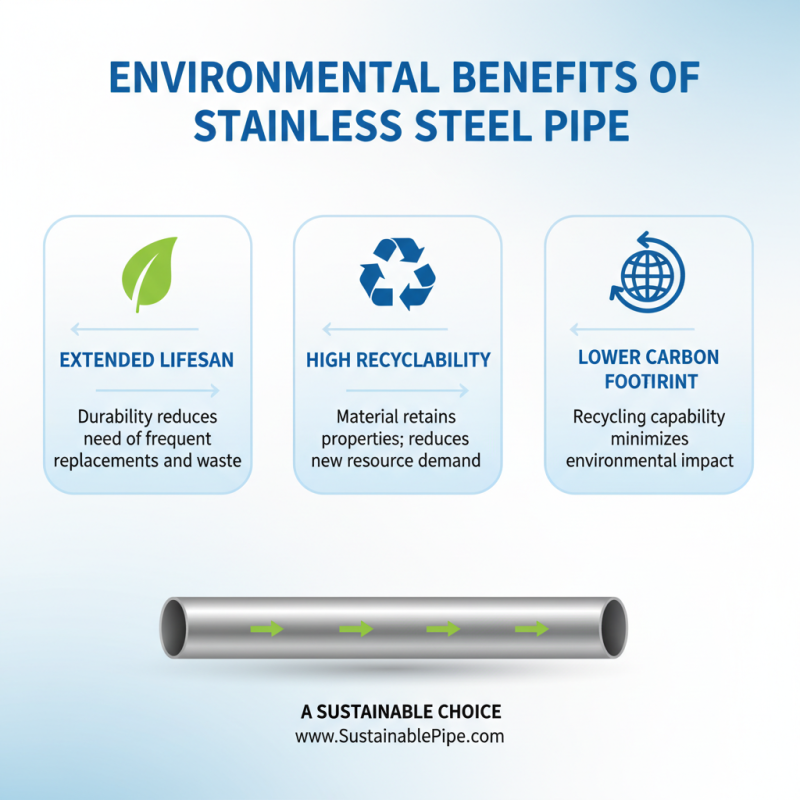
Stainless pipe is increasingly recognized for its environmental benefits. Its durability ensures a longer lifespan compared to other materials. This longevity reduces the need for frequent replacements and, consequently, waste. When recycled, stainless steel retains its properties, making it a sustainable choice. This recycling capability heavily contributes to reducing the carbon footprint.
Using stainless pipe can also help minimize resource consumption. Traditional materials often require more energy to produce and maintain. In contrast, stainless pipes can withstand harsh conditions, leading to lower maintenance costs. However, the energy used in the initial production process raises questions. It remains crucial to balance efficiency with the energy investment needed.
Stainless steel production does involve some environmental impact. Although modern practices aim to minimize waste, it’s worth questioning the entire lifecycle of materials. Evaluating the extraction and manufacturing processes can reveal areas for improvement. Awareness of these issues encourages a more responsible approach in selecting materials.