How to Choose the Right Stainless Steel Braided Hose for Your Needs
When it comes to selecting the right stainless steel braided hose for your specific applications, expertise in the field is crucial. According to renowned industry expert, Mark Johnson, who has over 20 years of experience in fluid transfer solutions, "The right stainless steel braided hose can make all the difference in ensuring safety and efficiency in your operations." This statement highlights the importance of understanding your requirements thoroughly before making a decision.
Stainless steel braided hoses are versatile components used across various industries, from automotive to aerospace. Their durability, flexibility, and resistance to extreme temperatures and pressures make them a popular choice among engineers and procurement specialists. However, with the multitude of options available in the market, choosing the right one can be overwhelming, even for seasoned professionals.
In this guide, we will explore essential factors to consider when selecting a stainless steel braided hose, including material compatibility, pressure ratings, and application-specific requirements. By understanding these key elements, you can ensure that your chosen hose meets not only your operational needs but also safety standards, leading to enhanced performance and longevity in your systems.
Understanding the Different Types of Stainless Steel Braided Hoses
When choosing the right stainless steel braided hose for your needs,
it’s essential to understand the different types available
in the market. Each type serves specific purposes, influenced by factors such as temperature, pressure,
and chemical exposure. Common options include PTFE hoses, which offer outstanding resistance
to high temperatures and aggressive chemicals, making them suitable for various industrial applications.
Additionally, there are hoses designed for general-purpose use,
boasting flexibility and durability, ideal for residential and light commercial tasks.
Tips: When selecting a stainless steel braided hose, consider the maximum pressure it can handle.
Always opt for a hose with a safety margin to prevent
accidental bursts. Furthermore, examine the fittings; leak-proof connections
are critical for maintaining a steady flow without disruptions.
Another factor to consider is the length and flexibility of the hose.
A hose that is easy to maneuver not only facilitates a smoother workflow but also reduces the risk of kinks
and damages. Ensure the hose you choose meets your specific requirements
to ensure efficiency and longevity in your projects.
Key Factors to Consider When Selecting a Stainless Steel Braided Hose
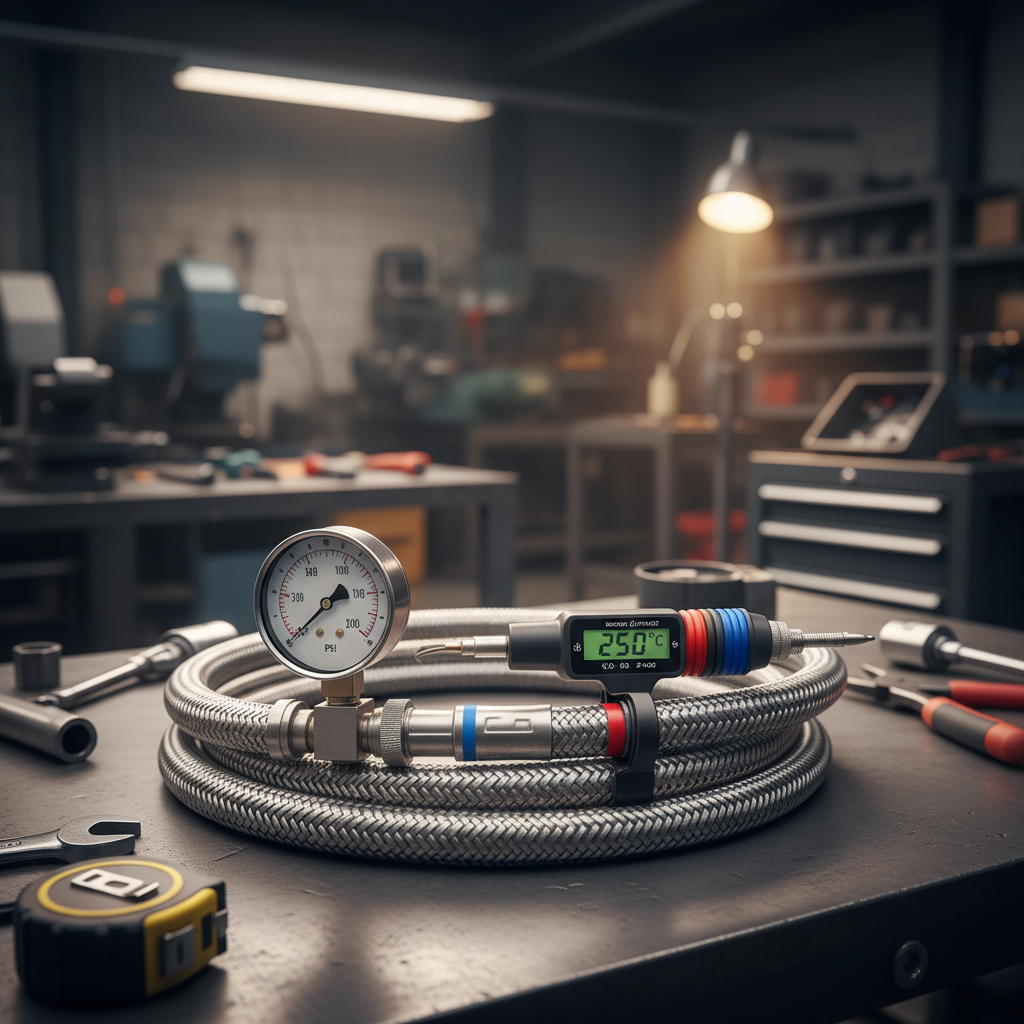
When selecting a stainless steel braided hose, several key factors must be considered to ensure it meets your specific needs. First, assess the hose’s pressure rating. It is crucial to choose a hose that can handle the maximum pressure your application requires, as operating beyond this limit can lead to failure and potential hazards. Additionally, consider the temperature range the hose will be exposed to. Different applications may require hoses that can withstand high temperatures, while others may function better in cooler environments.
Another significant factor is the size and length of the hose. Proper sizing is essential for ensuring adequate flow and preventing leaks. When measuring, take into account both the inner diameter and the overall length required for your setup. You should also evaluate the fittings and connections. The compatibility of the hose with your existing components, such as connectors and adaptors, will influence performance and reliability. By carefully considering these factors, you can select a stainless steel braided hose that is not only suitable for your application but also enhances overall system efficiency.
Assessing Compatibility with Fluids and Temperature Requirements
When selecting a stainless steel braided hose, one of the most critical factors to assess is its compatibility with the fluids it will carry. Different fluids can have varying reactions with materials, which can lead to degradation, leaks, or even catastrophic failures. It’s essential to understand the chemical properties of the fluids involved and verify that the hose material is resistant to corrosion and compatible with those fluids. Always refer to manufacturer specifications and compatibility charts for guidance.
Temperature requirements also play a significant role in choosing the right hose. High temperatures can affect the integrity and longevity of the hose, making it vital to select a product rated for your specific temperature range. For applications that involve extreme heat or cold, look for hoses specifically designed for those conditions, as they will have enhanced durability and reliability.
Tips:
- Always consult a chemical compatibility chart before making your selection to avoid unexpected reactions.
- Consider the temperature fluctuations your hose may experience during operation and choose a hose with appropriate temperature ratings to ensure safety and performance.
- If in doubt, reach out to manufacturers for recommendations based on your unique application needs.
Evaluating Hose Length and Fittings for Your Application
When selecting a stainless steel braided hose, evaluating the length and fittings is crucial to ensure optimal performance in your application. The right hose length can prevent pressure loss and improve flow rates. According to a report from the Fluid Power Society, improper hose lengths can lead to issues such as excessive bending, which results in reduced efficiency and increased wear.
Generally, a hose length that exceeds the required distance may introduce unnecessary pressure drops, while a length that is too short could compromise flexibility and connectivity.
Fittings are equally important, and their compatibility with the hose is non-negotiable. The choice between standard or specialized fittings can impact the system's overall reliability. A study conducted by the Hose Manufacturers Association indicates that approximately 30% of hose failures can be traced back to fitting-related issues, emphasizing the need for precision in fitting selection.
It’s also essential to consider the environment in which the hose will operate, as different applications may require corrosion-resistant or high-temperature fittings. Proper evaluation of both hose length and fittings ensures not only the efficiency of fluid transfer but also the longevity of the hose system.
Maintenance Tips for Longevity of Stainless Steel Braided Hoses
To ensure the longevity of stainless steel braided hoses, regular maintenance is essential. Begin by inspecting the hoses for any signs of wear, such as fraying or kinks, which can compromise their integrity. Keeping the hoses clean is crucial; wipe them down with a soft cloth to eliminate dust and debris that may accumulate over time. For more stubborn residues, a mild detergent followed by thorough rinsing can help maintain their appearance and prevent corrosion.
Additionally, ensure that the connections and fittings are secure but not overly tightened, as excessive force can lead to damage. Periodically check for leaks by examining the joints and surrounding areas, as even minor leaks can indicate a need for replacement. Furthermore, it is advisable to avoid exposing the hoses to extreme temperatures or harsh chemicals that could deteriorate the materials. By following these maintenance tips, users can significantly extend the life and efficiency of their stainless steel braided hoses.
Stainless Steel Braided Hose Performance Comparison
This bar chart compares different performance metrics of stainless steel braided hoses, indicating their suitability for various applications. The metrics evaluated include flexibility, temperature resistance, pressure rating, corrosion resistance, and weight, all scored on a scale of 1 to 10.