
Call Us

(905) 670-0113

China Top 10 Pharmaceutical Grade Activated Carbon Suppliers?

China’s pharmaceutical manufacturing base is expanding, and demand for Pharmaceutical Grade Activated Carbon is following closely. Grand View Research valued the global activated carbon market at approximately USD 4.9 billion in 2023. Its report also projects strong growth through 2030, supported by pharmaceutical purification, water treatment, and food processing.

The market looks large.

However, supplier selection requires more than export volume. Pharmaceutical buyers should examine GMP controls, pharmacopeial compliance, ash content, heavy metals, microbial limits, iodine value, particle size, and batch traceability. The United States Pharmacopeia and European Pharmacopoeia provide important quality references, although buyers must confirm the exact monograph and intended application. A low price can hide inconsistent pore structure or weak documentation.

Harry Marsh, a leading activated-carbon researcher and co-author of Activated Carbon, described it as “a carbonaceous material with a highly developed internal surface.” That surface may remove color bodies, impurities, or unwanted process residues. It can also introduce risk when raw materials, activation conditions, or cleaning systems vary. Therefore, this China Top 10 Pharmaceutical Grade Activated Carbon Suppliers guide considers technical evidence, manufacturing experience, testing capacity, certifications, and customer support. It is not an absolute ranking. Supplier information changes, and public documents are sometimes incomplete. Independent audits and representative sample testing remain essential before qualification.
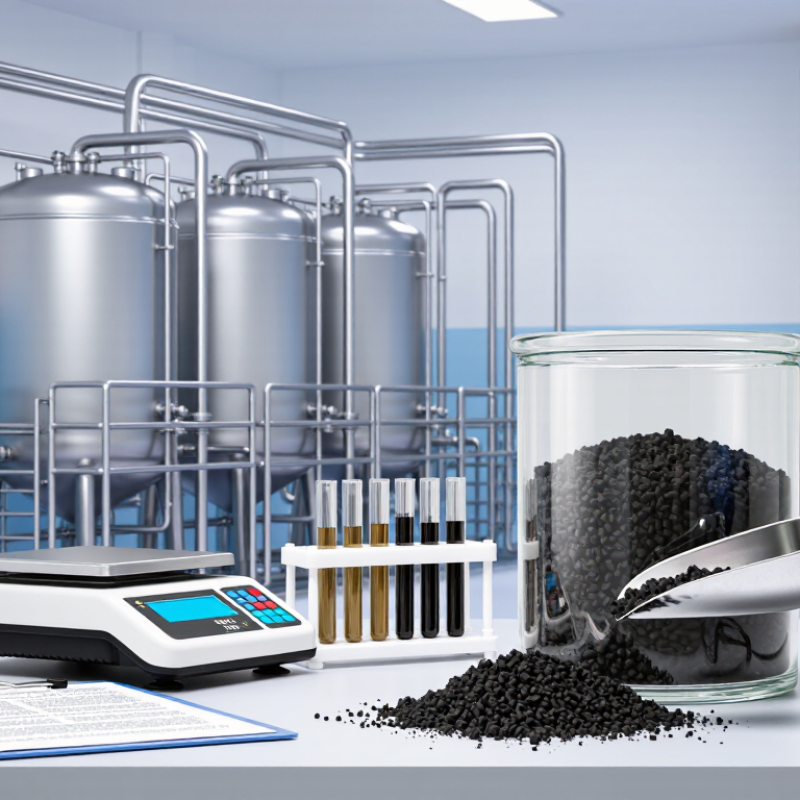
China Top 10 Pharmaceutical Grade Activated Carbon Suppliers?

What Is Pharmaceutical Grade Activated Carbon?

Pharmaceutical grade activated carbon is a highly purified adsorbent used in selected pharmaceutical processes. It is produced from carbon-rich materials, then activated to create countless microscopic pores. These pores capture unwanted color bodies, odors, organic impurities, and certain process contaminants.

Quality depends on more than surface area. Pharmaceutical users should examine ash content, moisture, particle size, pH, heavy metals, microbial limits, and extractable substances. A credible supplier should provide a current certificate of analysis for every batch. Documents should connect clearly with lot numbers, production records, packaging details, and storage conditions. GMP-based manufacturing and traceability also matter. Small gaps in paperwork can become serious during audits.

The intended process must guide the selection. Powdered carbon may suit rapid mixing, while granular grades can support fixed-bed filtration. Contact time, dosage, temperature, and filtration method affect performance. Validation is essential. Laboratory results cannot always predict full-scale behavior. A carbon sample may remove color effectively but release excessive dust or alter product chemistry. That possibility deserves attention. Supplier comparisons should include technical support, consistent particle distribution, clean packaging, and realistic delivery capacity. The term “pharmaceutical grade” is not a universal guarantee. It should be supported by testing, risk assessment, and documented suitability for the specific application.

China Top 10 Pharmaceutical Grade Activated Carbon Suppliers? - What Is Pharmaceutical Grade Activated Carbon?

No. Evaluation Dimension Typical Pharmaceutical-Grade Requirement or Data Why It Matters Common Verification Method
1 Applicable Pharmacopoeial Compliance Conformity should be demonstrated against the applicable current pharmacopoeial monograph, such as USP–NF, Ph. Eur., BP, or another recognized standard. “Pharmaceutical grade” is not one universal specification; requirements depend on the intended use and market. Current certificate of analysis, monograph testing, and regulatory documentation review.
2 Raw Material Source Common carbonaceous precursors include coconut shell, wood, peat, and coal; the precursor should be declared and controlled for each batch. The precursor affects pore structure, ash content, adsorption behavior, and potential contaminants. Supplier questionnaire, traceability records, incoming-material testing, and risk assessment.
3 Iodine Number Many commercial activated carbons are specified within an approximate range of 700–1,200 mg/g, although the required value depends on the application and approved specification. It is an indicator of micropore development and adsorption capacity for relatively small molecules. Iodometric titration using a recognized activated-carbon test method, such as ASTM D4607.
4 Methylene Blue Adsorption A commonly reported commercial range is approximately 150–300 mg/g; the target should be established for the specific product and use. It provides information about adsorption of larger molecules and mesopore accessibility. Validated methylene blue adsorption test with a defined sample preparation procedure.
5 Moisture and Loss on Drying Powdered activated carbon commonly has moisture controlled around or below 5–10%, depending on the product specification and test conditions. Excess moisture can affect net active content, flowability, storage stability, and adsorption performance. Gravimetric loss-on-drying test at a specified temperature and drying time.
6 Total Ash and Inorganic Residue Pharmaceutical applications generally require controlled ash and inorganic residue; exact limits must follow the approved monograph or product specification. High ash may reduce adsorption capacity and introduce undesirable inorganic substances. Ignition or ashing test followed by gravimetric determination.
7 Heavy Metals and Elemental Impurities Elemental impurities should comply with the applicable risk-based limits, commonly assessed under ICH Q3D and relevant regional requirements. Carbon materials can contain trace levels of lead, arsenic, cadmium, mercury, and other elements depending on their source. ICP-MS, ICP-OES, or another validated elemental-analysis technique.
8 Particle Size and Physical Form Available forms include powder, granules, and molded products; particle-size distribution should match the intended dosage or processing method. Particle size influences dispersion, filtration, handling, dissolution behavior, and adsorption kinetics. Sieve analysis, laser diffraction, or another validated particle-size method.
9 Microbiological Quality Total aerobic microbial count, total yeast and mold count, and specified microorganisms should meet the limits established for the intended pharmaceutical use. Activated carbon is a porous material that can retain moisture and environmental contaminants if not properly controlled. Pharmacopoeial microbial enumeration and specified-microorganism tests.
10 Quality System, Packaging, and Traceability A suitable supplier should provide batch traceability, change control, deviation management, tamper-evident packaging, and storage conditions that protect the material from moisture and contamination. Consistent documentation and controlled handling are essential for pharmaceutical supply-chain qualification. GMP audit, quality agreement, batch records, certificates of analysis, and packaging inspection.

Note: The numerical ranges shown above are general industry reference values rather than universal release limits. Final acceptance criteria should be confirmed against the current applicable pharmacopoeial monograph, validated intended use, and the purchaser’s approved product specification.

Key Standards for Pharmaceutical Grade Activated Carbon Suppliers

China Top 10 Pharmaceutical Grade Activated Carbon Suppliers?

Key Standards for Pharmaceutical Grade Activated Carbon Suppliers

Pharmaceutical-grade activated carbon requires more than high adsorption performance. A reliable supplier should follow applicable pharmacopeial requirements, GMP controls, and documented quality procedures. Product specifications should clearly state iodine value, ash, moisture, particle size, pH, and heavy metal limits. Microbial testing may also be necessary for the intended application.

Supplier evaluation should begin with traceability. Each batch needs a unique number, raw material record, production date, test results, and retained sample. A complete certificate of analysis helps, but it cannot replace an on-site quality audit. Inspectors should review cleaning records, calibration logs, contamination controls, and change-control procedures. Small details matter.

Packaging deserves attention. Sealed, food-contact-safe containers can reduce moisture uptake and foreign-particle risks during transport. Suppliers should explain storage conditions and handling limits. Technical teams should also request samples for internal validation, because laboratory results may differ from production performance. Carbon made from coconut shell, wood, or mineral sources can behave differently in filtration systems. That distinction is sometimes overlooked.

Experience shows that consistent batches are harder to secure than impressive first samples. Even a well-managed supplier can face seasonal raw-material changes or process drift. For this reason, purchasing teams should monitor annual reviews, complaint responses, and corrective actions. No supplier is perfect, and a transparent response to a failed test may reveal more reliability than a flawless sales document.

How to Evaluate China’s Activated Carbon Manufacturers

Evaluating China’s pharmaceutical-grade activated carbon manufacturers requires more than comparing prices. A reliable supplier should provide current GMP documentation, validated production records, and complete batch traceability. Check the carbon’s iodine value, ash content, moisture, particle size, heavy metals, and microbial limits. These figures should match recognized pharmaceutical standards and the agreed specification.

Request a recent certificate of analysis, not an old template. Confirm whether an independent laboratory performed the testing. Ask to review retained samples from several production batches. A factory visit can reveal important details, including furnace cleanliness, dust control, water quality, and packaging conditions. Paperwork may look excellent, yet daily line discipline can still vary. That is where evaluation becomes difficult.

Tips: Audit the actual production site. Verify calibration records and deviation reports. Ask how rejected batches are isolated. Check whether operators understand contamination controls. Confirm that packaging prevents moisture and foreign particles during transport. Also review response times for complaints and document changes. A low quotation is not always economical if testing, delays, or repeated qualification become necessary. I would also compare three consecutive batches, because one successful sample proves very little. Some buyers overlook this practical weakness. Suppliers should explain limitations openly, especially when test methods differ between laboratories. Reliable manufacturers welcome technical questions and provide evidence without avoiding uncomfortable details.

How to Evaluate China’s Activated Carbon Manufacturers

Suggested procurement weighting for comparing pharmaceutical-grade activated carbon suppliers. Quality consistency and application performance receive the highest priority because pharmaceutical use requires stable specifications, validated performance, and batch-to-batch control.

Key checks include iodine number, methylene blue adsorption, moisture, ash, hardness, particle-size distribution, GMP-related controls, testing records, traceability, production capacity, and export logistics. The percentages are a practical evaluation framework rather than supplier-specific performance data.

China’s Top 10 Pharmaceutical Grade Activated Carbon Suppliers

China’s Top 10 Pharmaceutical Grade Activated Carbon Suppliers

China’s top 10 pharmaceutical grade activated carbon suppliers should be judged by evidence, not polished rankings. A credible supplier provides consistent carbon from controlled raw materials, such as coconut shell or wood. Its production records should show activation conditions, washing procedures, drying controls, and batch traceability. These details matter when carbon contacts pharmaceutical ingredients.

Look for current quality certificates and pharmaceutical-grade testing reports. Useful data includes iodine value, ash content, moisture, particle size, pH, and heavy metal limits. For sensitive applications, ask about bioburden, extractables, leachables, and endotoxin control. A reliable supplier should issue a batch-specific certificate of analysis, not a generic document reused for every shipment. GMP-aligned procedures, calibrated instruments, and documented change control also deserve attention.

A factory audit reveals practical weaknesses. Check dust control, sealed packaging, warehouse humidity, and the separation of approved and rejected materials. Request samples from several batches, then compare adsorption performance under your actual process conditions. Laboratory results can differ from production results.

“The “top 10” label can mislead.”

Supplier strength also depends on technical support, export experience, lead time, and complaint handling. Some manufacturers may offer excellent carbon but weak documentation. Others may communicate well yet lack stable pore-size control. That gap deserves honest consideration. Purchasers should verify regulatory suitability with their own quality teams before approval, because supplier claims alone cannot replace independent qualification.

Supplier Selection Factors for Pharmaceutical Applications

Selecting a pharmaceutical-grade activated carbon supplier requires more than checking adsorption capacity. A serious review should examine raw-material origin, pore-size distribution, ash content, moisture, and residual solvents. Each lot should carry a complete certificate of analysis, not a simplified sales sheet. USP General Chapters <61> and <62> provide recognized microbiological testing frameworks, while ICH Q3D(R2) supports risk-based control of elemental impurities. Ask suppliers to show actual test methods and detection limits.

Manufacturing controls matter just as much. Look for validated cleaning procedures, controlled drying conditions, tamper-evident packaging, and full batch traceability. WHO GMP guidance stresses documented qualification and consistent process control. Supplier audits should inspect sampling rooms, laboratory records, deviation handling, and change-control procedures. A supplier that cannot explain a sudden ash increase is not ready for pharmaceutical work.

Performance testing should use the intended process liquid, temperature, contact time, and regeneration limits. Standard iodine numbers can mislead. They do not predict every impurity-removal result. Small pilot trials are essential. Review at least three consecutive lots, then repeat testing after transport and storage. This is where selection becomes less comfortable: a polished certificate may still hide weak process consistency. Independent testing is expensive, but skipping it can cost far more during validation or batch investigation.