Plastic tubing may look like a simple component, but its performance depends on resin choice, wall thickness, dimensional control, and end-use conditions. A brittle coil, an inconsistent inner diameter, or a poorly finished cut can disrupt an otherwise reliable assembly. For global buyers, choosing a manufacturer is therefore about more than comparing prices.
The OECD’s Global Plastics Outlook reports that global plastics production reached 460 million tonnes in 2019, up from 234 million tonnes in 2000. That figure covers plastics broadly, not plastic tubing alone, but it highlights the scale of the materials supply chain behind tubing products. A useful supplier review should examine published specifications, quality-control practices, production capabilities, and the manufacturer’s experience with the intended application. Details matter. Samples and clear technical documentation can reveal gaps that a sales page may not.
This guide introduces ten China-based manufacturers for international buyers to assess. It is a starting point, not a certification list; capabilities and product ranges should be confirmed directly with each supplier. The materials provided for this introduction contain no verifiable quotation from a named plastic tubing expert. Rather than assign invented words to an expert, buyers should rely on traceable technical statements and independently checkable evidence. That caution is practical. A strong shortlist begins with evidence, not promises.
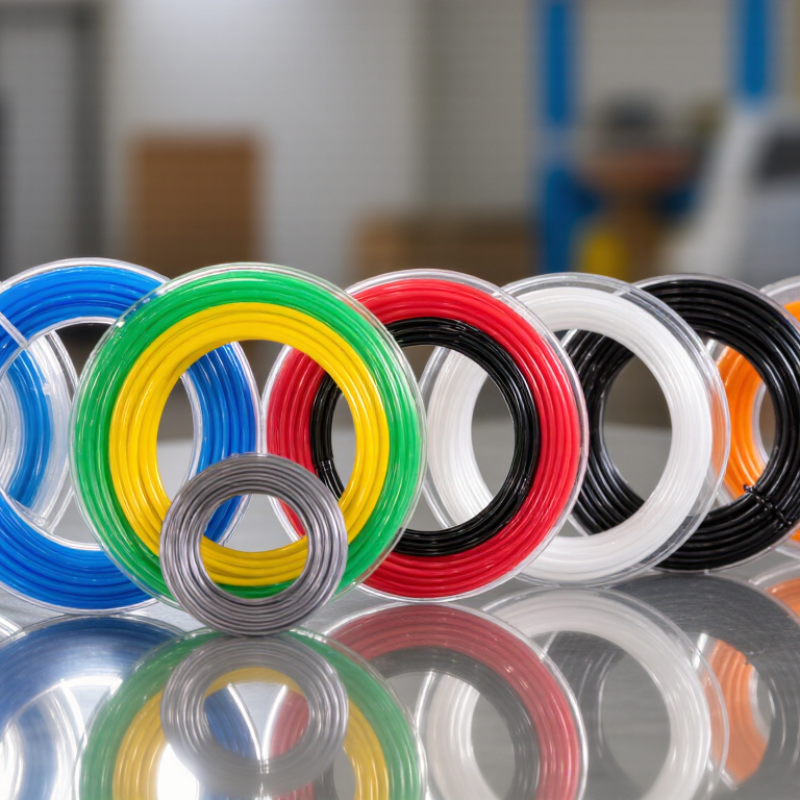
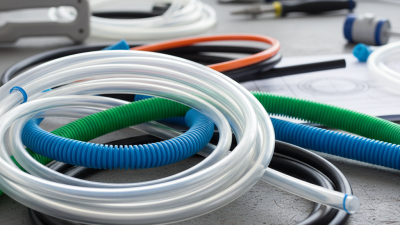
Plastic tubing selection starts with the material and the job it must perform. PVC is often chosen for flexible, general-purpose lines, while polyurethane resists abrasion in moving equipment. Silicone stays pliable across a broad temperature range, and polyethylene offers low moisture absorption. No material is universally best. A tube that feels soft in a workshop may kink under a tight bend or stiffen in a cold room.
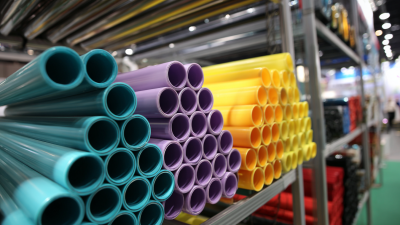
Construction matters too. Single-wall tubing suits many low-pressure transfers; braided reinforcement can help manage higher pressure. Corrugated walls bend around equipment, while coiled tubing extends and retracts for mobile tools. Small details count: inner diameter affects flow, wall thickness affects strength, and the minimum bend radius can prevent kinks. Check chemical compatibility and operating temperature against the actual fluid and conditions, not a product label alone.
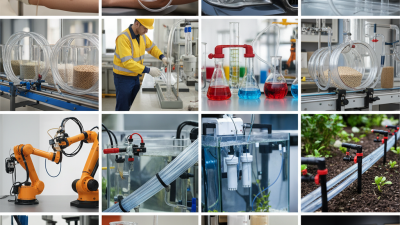
Applications range from pneumatic controls and laboratory equipment to water systems and food-processing lines. Medical and food-contact uses need materials and documentation suited to their intended applications. Buyers comparing manufacturers can request dimensional tolerances, pressure ratings, test methods, and sample pieces. Then inspect the tubing in its real setup. A specification sheet cannot always reveal how easily a line twists, or whether its fittings seal consistently. Even careful selection has limits; installation and maintenance can change performance.
| Tubing Material or Type | Typical Characteristics | Common Applications | Key Buyer Considerations |
|---|---|---|---|
| PVC (polyvinyl chloride) | Available in rigid and flexible formulations; widely used for its chemical resistance and cost-effectiveness. | Water distribution, drainage, aquariums, and general-purpose fluid transfer. | Specify rigid or flexible grade, plasticizer requirements, pressure rating, and compatibility with the conveyed fluid. |
| Polyurethane (PU) | Flexible and abrasion-resistant; often selected for applications involving repeated movement. | Pneumatic lines, automation equipment, and material-handling systems. | Check hardness, bend radius, working pressure, and resistance to oils, moisture, and the intended environment. |
| Polyethylene (PE) | Lightweight and moisture-resistant; different PE grades offer different flexibility and strength profiles. | Water and irrigation lines, low-pressure fluid transfer, and protective conduits. | Confirm the PE grade, dimensions, pressure requirements, UV exposure, and suitability for potable-water use where applicable. |
| Polypropylene (PP) | Offers broad resistance to many acids and bases; performance depends on the chemical, concentration, and temperature. | Chemical processing, laboratory systems, and industrial fluid handling. | Verify chemical compatibility, operating temperature, pressure, and connection method for the specific application. |
| Nylon (polyamide, PA) | Generally strong and wear-resistant; some grades absorb moisture, which can affect dimensions and properties. | Pneumatic and hydraulic lines, automotive systems, and industrial equipment. | Identify the PA grade and check moisture exposure, pressure, temperature, and applicable industry specifications. |
| PTFE (polytetrafluoroethylene) | Low-friction fluoropolymer with broad chemical resistance; tubing is commonly chosen for demanding chemical service. | Chemical transfer, analytical equipment, and selected high-purity process systems. | Check chemical and permeation data, pressure at operating temperature, bend limits, and purity requirements. |
| Silicone | Flexible elastomer commonly selected for temperature flexibility and low-taint applications; properties vary by formulation. | Medical devices, food and beverage equipment, laboratory systems, and peristaltic pumps. | Request documentation for the required food-contact, medical, biocompatibility, or sterilization standards. |
| EPDM rubber tubing | Elastomer tubing known for weathering and ozone resistance; generally not selected for petroleum-oil service without compatibility confirmation. | Water systems, outdoor equipment, and selected heating or cooling circuits. | Confirm fluid compatibility, reinforcement, pressure rating, temperature range, and required regulatory approvals. |
| FEP or PFA fluoropolymer tubing | Fluoropolymer options used where chemical resistance and cleanability are important; grade and construction affect performance. | Chemical processing, semiconductor-related fluid handling, and laboratory applications. | Compare material grade, purity, extractables requirements, pressure, temperature, and chemical exposure. |
| Reinforced composite tubing | A polymer tube combined with reinforcement, such as textile braid or a spiral layer, to increase resistance to pressure or collapse. | Industrial transfer, suction and delivery lines, and equipment requiring a reinforced flexible hose. | Specify inner and outer materials, reinforcement type, working and burst pressure, vacuum needs, and end fittings. |
Note: These are common material and tubing categories, not a manufacturer ranking. Actual performance depends on the exact formulation, dimensions, construction, operating conditions, and applicable standards. Confirm specifications and certifications with the supplier before purchase.