What is a Braided Hose and How is it Used?
A braided hose is a crucial component in various industries, known for its durability and flexibility. According to John Smith, a leading expert in fluid transfer technology, "A braided hose is essential for safe and efficient fluid handling." This statement highlights its significance.
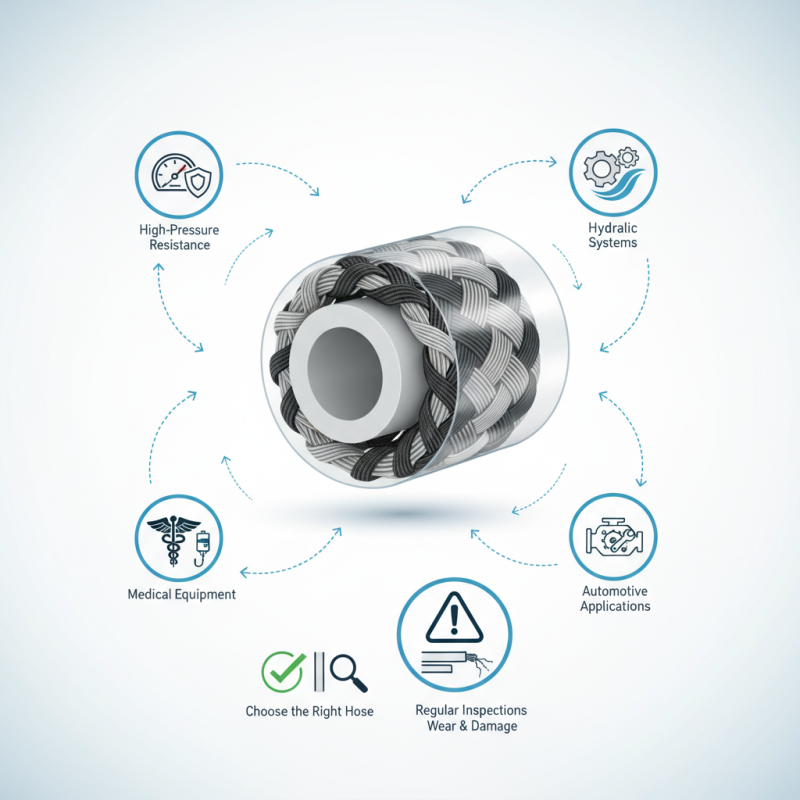
Braided hoses are often made from materials like nylon or stainless steel. They provide excellent resistance to abrasion and high-pressure situations. Industries rely on these hoses for hydraulic systems, automotive applications, and even medical equipment.
Despite their robust design, braided hoses can have limitations. Over time, they may wear or become damaged due to harsh conditions. Regular inspections are necessary to ensure reliability. Users must be aware that choosing the right braided hose is vital. The right choice can enhance safety and performance in critical applications.
What is a Braided Hose? Definition and Key Characteristics
A braided hose is a flexible conduit reinforced with woven fibers or metal strands. This structure provides significant strength and durability, making it ideal for high-pressure applications. In industries like automotive and aerospace, braided hoses often exceed standard performance requirements. According to a recent market report, the demand for these hoses is expected to grow by 7% annually through 2026.
The key characteristics of braided hoses include flexibility, high burst pressure, and temperature resistance. These hoses can handle a wide range of fluids, including chemicals and gases. They are commonly used in hydraulic systems, fuel lines, and coolant lines. However, not all braided hoses are created equal. Some may suffer from reduced flexibility over time or might become prone to leaks. These issues can prompt engineers to reassess their material choices.
It's important to consider the application when choosing a braided hose. Factors such as pressure ratings, temperature extremes, and the type of fluid being transported can significantly influence performance. Sometimes, users overlook these specifics, leading to premature failure. Regular inspections and maintenance can mitigate these risks but are often neglected. Awareness of these factors is crucial for extending the life of a braided hose assembly.
Materials Used in Braided Hose Construction: An Overview
Braided hoses are crucial in many industries today. They serve as flexible conduits for fluids and gases. Their construction materials greatly affect their performance and durability. Typically, braided hoses combine inner tubes made of rubber or thermoplastics. These tubes are reinforced with braided layers, usually made of steel or polyester. The type of material selected depends on the specific application.
Steel braiding offers high strength and resistance to high pressures. A report from the Hose Manufacturers’ Association highlighted that hoses with steel reinforcement provide at least 30% greater burst strength than those without. However, steel can be susceptible to corrosion. On the other hand, polyester provides flexibility and resistance to abrasion, but its temperature range is more limited. Thus, choosing the right material requires careful consideration of performance needs versus potential imperfections.
Another key material is the inner tube, which can be thermoplastic or rubber. Thermoplastic hoses are lighter and more resistant to chemical degradation. However, rubber hoses can withstand higher temperatures. According to a recent ASTM International study, rubber hoses can operate effectively at temperatures of up to 150°C. This makes them suitable for various demanding applications. It’s important to balance durability, flexibility, and temperature tolerance when selecting braided hose materials. The right choice can prevent costly failures in the field.
What is a Braided Hose and How is it Used? - Materials Used in Braided Hose Construction: An Overview
| Material |
Properties |
Common Applications |
| Polyester |
High tensile strength, elastic |
Automotive fuel lines |
| Nylon |
Durable, resistant to abrasion |
Industrial air and water hoses |
| Stainless Steel |
Corrosion resistant, high temperature tolerance |
High-pressure applications |
| Rubber |
Flexible, good for minimizing vibrations |
Hydraulic systems |
| PVC |
Lightweight, chemical resistant |
Garden hoses, general-purpose applications |
Common Applications of Braided Hoses in Various Industries
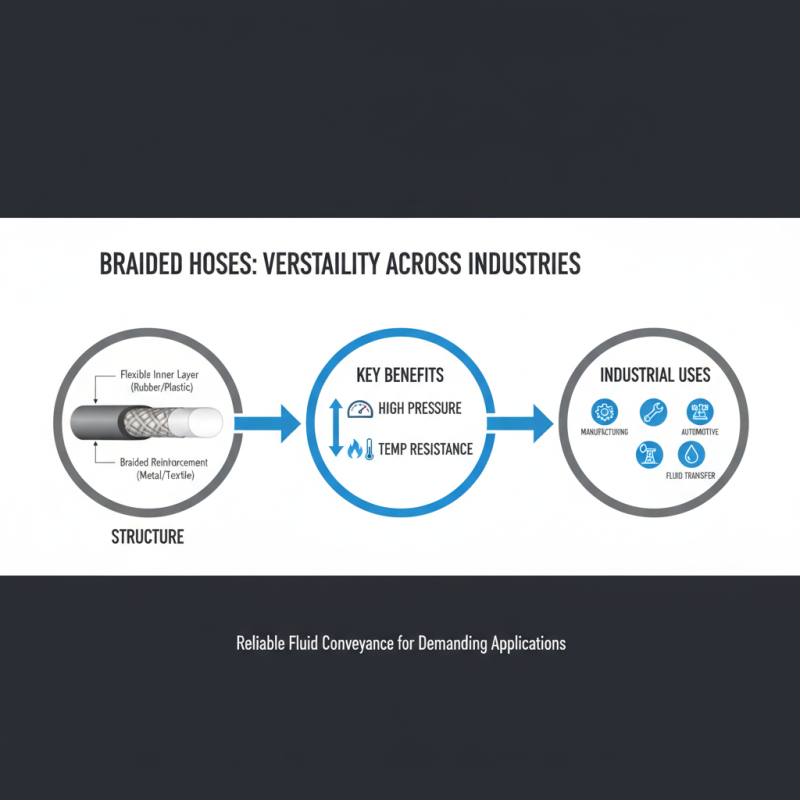
Braided hoses are predominantly used across multiple industries due to their versatility. They consist of a flexible inner layer, often made from rubber or plastic, reinforced with braided materials. This structure allows them to handle high pressure and temperature variations effectively. Many industries rely on these hoses for fluid transfer and conveyance.
In automotive and aerospace applications, braided hoses can be seen delivering fuel and coolant. Their resistance to abrasion makes them ideal for engines. In manufacturing, they are essential in hydraulic systems, moving fluids smoothly and efficiently. The food and beverage industry also benefits from them, ensuring safety and hygiene where heated or cooled products are transported.
While they are generally reliable, braided hoses are not without their challenges. Over time, wear and tear may occur, especially in high-pressure environments. Regular inspections are necessary to identify potential failures. Missing these checks can lead to leaks or bursts, causing safety risks. Awareness and proactive maintenance can help mitigate these issues, ensuring continued performance in demanding settings.
Advantages of Using Braided Hoses Over Traditional Hoses
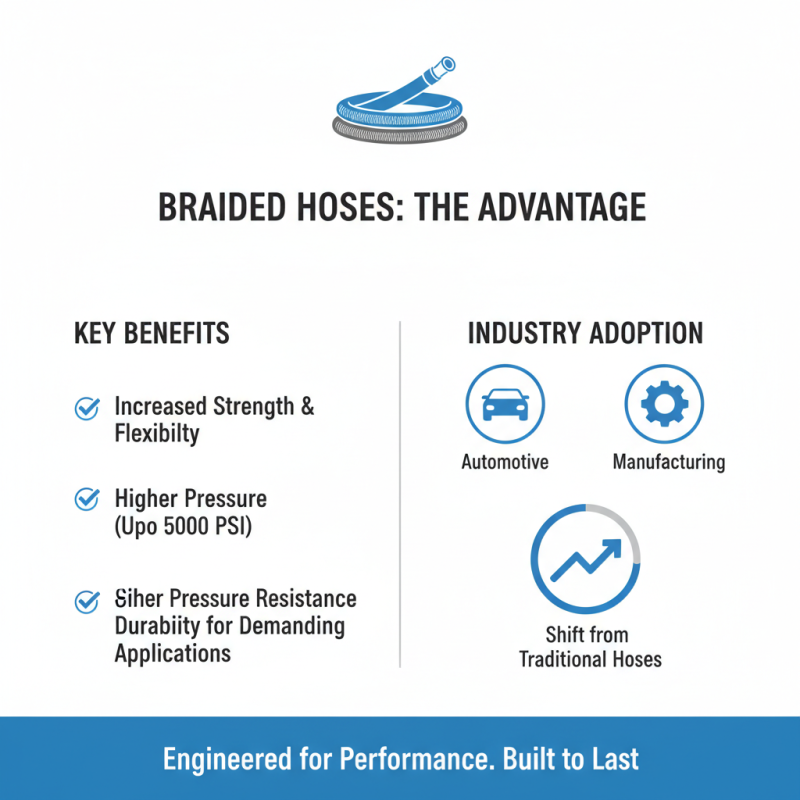
Braided hoses offer significant advantages over traditional hoses. They are designed with a reinforced layer that enhances their strength and flexibility. Many industries, such as automotive and manufacturing, have seen a shift towards these hoses. Reports indicate that braided hoses can withstand higher pressure levels, with some models rated for up to 5000 psi. This makes them suitable for demanding applications.
Durability is another key factor. Braided hoses resist abrasion and can last longer than their rubber counterparts. A recent survey revealed that users of braided hoses reported a 30% increase in service life compared to traditional options. This translates to lower maintenance costs and downtime. Yet, these hoses can be slightly more expensive upfront. Organizations must weigh this cost against the long-term benefits.
One drawback is the potential for kinking, especially in tight spaces. This can lead to a reduction in flow rate. Users need to be mindful of their application setups. Proper installation and regular inspections can mitigate these issues. Despite these challenges, the shift toward braided hoses is indicative of their overall value in various industries.
Maintenance and Safety Tips for Braided Hose Usage
Braided hoses are durable and flexible tools used in various applications. Ensuring they are maintained properly is crucial for safety. Regular inspections can catch frays, leaks, or bulges that compromise their integrity. If you notice any unusual wear, it's best to replace the hose immediately. These small checks can prevent larger issues later, which is always preferred.
When using braided hoses, handle them gently. Avoid sharp bends or kinks. This can weaken the structure over time. Keeping the hoses free from chemicals or temperature extremes is equally important. Surfaces that are too hot or cold may affect performance significantly. In environments where hoses are exposed to moving machinery, use protective barriers when possible.
Sometimes, users overlook the importance of proper storage. Hoses should be coiled neatly without twists. This prevents damage and makes them ready for the next use. Reflecting on your usage habits can lead to improvements in safety. Each small effort contributes to longer-lasting equipment and safer environments.