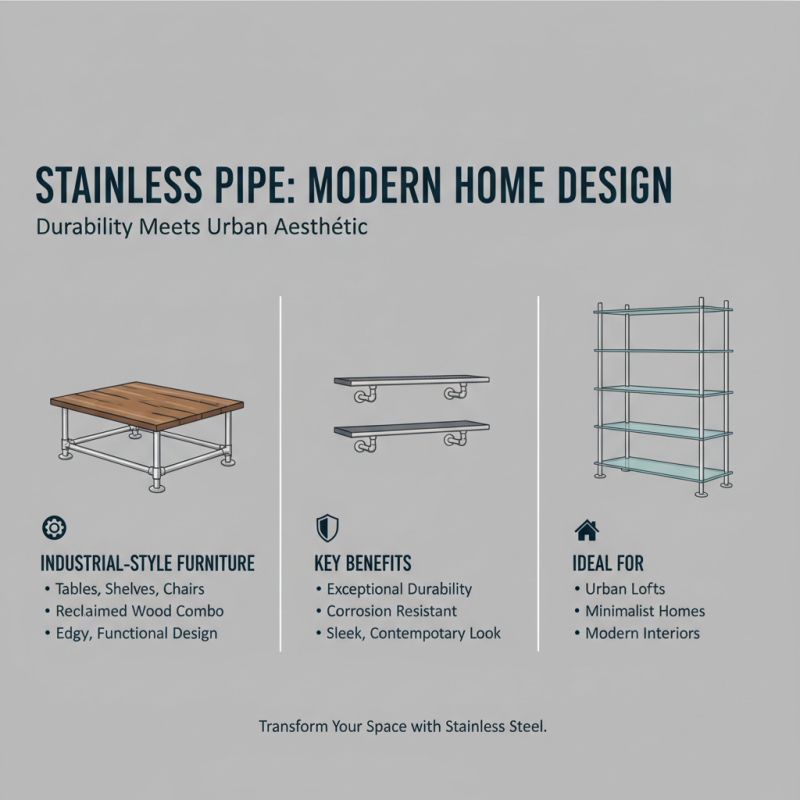
10 Best Uses for Stainless Pipe You Need to Know
Stainless pipe is an incredibly versatile material that finds its application across a multitude of industries. Its unique properties, such as resistance to corrosion, high durability, and aesthetic appeal, make it an ideal choice for various uses. From construction and manufacturing to plumbing and automotive applications, stainless pipe has proven to be a critical component in ensuring the longevity and efficiency of numerous products and systems.
In this article, we will explore the ten best uses for stainless pipe that you need to know. Each application showcases the remarkable benefits of stainless pipe, highlighting its functionality and adaptability in modern engineering and everyday life. Whether you are a professional in the industry or a DIY enthusiast, understanding these applications can help you appreciate the importance of this material and its role in various projects. Join us as we delve into the fascinating world of stainless pipe applications and discover how this essential material can enhance performance and maintain quality in an array of settings.
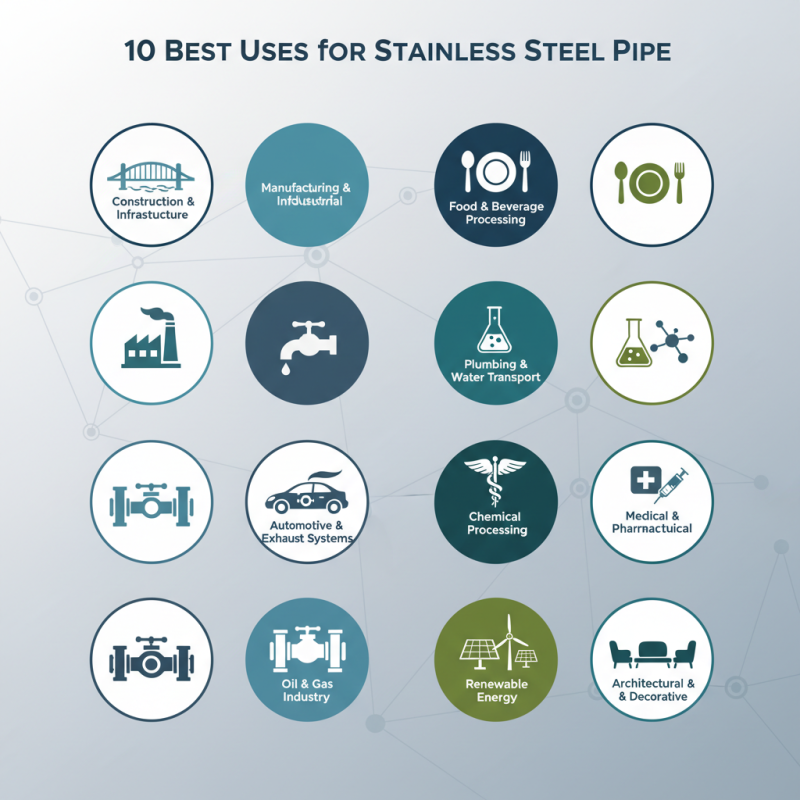
Best Uses for Stainless Pipe in Construction and Architecture
Stainless steel pipes have become an essential material in construction and architecture, prized for their durability and aesthetic appeal. One of the primary uses of stainless pipes in this field is in structural frameworks. When incorporated into buildings, they provide robust support and stability while maintaining a sleek and modern appearance. Their resistance to corrosion ensures that structures can withstand harsh weather conditions, making them ideal for both indoor and outdoor applications.
Another notable application of stainless pipes is in decorative elements and architectural features. Designers often utilize these pipes to create striking railings, stairs, and handrails that not only enhance safety but also contribute to the overall aesthetic of the space. The shiny finish of stainless steel adds a reflective quality that can brighten interiors and exteriors alike.
Additionally, stainless pipes are increasingly being used in piping systems for plumbing and HVAC applications, where their resilience and low maintenance requirements are particularly beneficial. Overall, stainless pipes are a versatile choice that meets the demands of modern architectural design while offering lasting performance.
Innovative Applications of Stainless Pipe in Plumbing Systems
Stainless pipes have become an essential component in modern plumbing systems due to their corrosion resistance and durability. According to a 2022 report by the International Stainless Steel Forum, about 60% of the stainless steel produced annually is utilized in various applications, with plumbing systems being a significant contributor. The ability of stainless pipes to withstand high temperatures and pressures makes them ideal for both residential and commercial plumbing applications. Their longevity not only reduces the frequency of repairs but also significantly lowers maintenance costs over time.
When considering innovative applications of stainless pipes in plumbing, one notable area is in sustainable water systems. Stainless pipes can be used to transport recycled or reclaimed water, which is increasingly important as cities look to conserve water resources. The 2023 Water and Energy Efficiency Report highlighted that using stainless steel piping in these systems can reduce leaks by up to 20%, enhancing overall efficiency and sustainability.
Tips: Always ensure proper installation of stainless pipes to avoid any potential leaks. Additionally, consider using advanced sealing techniques to enhance the longevity of your plumbing system. Regular inspections can also help in preemptively identifying issues, thereby minimizing downtime and maintenance costs.
10 Best Uses for Stainless Pipe You Need to Know
| Use |
Description |
Advantages |
Typical Applications |
| Water Supply Lines |
Durable and corrosion-resistant pipes for transporting potable water. |
Long lifespan and low maintenance. |
Residential plumbing, commercial buildings. |
| Drainage Systems |
Effective for carrying away waste and stormwater. |
Resistant to rust and chemical corrosion. |
Public infrastructure, industrial sites. |
| Compressed Air Systems |
Used for transporting compressed air effectively under pressure. |
Resilient and able to withstand pressure without bursting. |
Manufacturing, workshops. |
| Heating Systems |
Pipes for transporting hot water in heating applications. |
Heat resistant and durable. |
Radiant heating, HVAC systems. |
| Gas Lines |
Transportation of natural gas or propane safely. |
Strong and leak-resistant. |
Residential and commercial gas supplies. |
| Food Processing |
Used in food and beverage industries for sanitary applications. |
Non-reactive and easy to clean. |
Breweries, dairies, food packaging. |
| Pharmaceuticals |
Transporting chemicals and processes in pharmaceutical manufacturing. |
High hygiene standards. |
Cleansing and sterilization processes. |
| Marine Applications |
Used in ships and marine equipment for water transportation. |
Corrosion resistance in saltwater environments. |
Boats, offshore platforms. |
| Architectural Features |
Aesthetic and functional elements in buildings. |
Modern look and durability. |
Railings, fixtures, structural supports. |
How Stainless Pipe Enhances Industrial Manufacturing Processes
Stainless pipe plays a crucial role in enhancing industrial manufacturing processes across various sectors. Its high resistance to corrosion and temperature extremes enables companies to maintain operational efficiency and durability. According to a report from the Global Stainless Steel Pipe Market, the increasing demand for sustainable materials in industries such as oil and gas, chemical processing, and wastewater management is driving the growth of stainless pipes. As manufacturers strive to comply with stricter environmental regulations, stainless pipe offers a reliable solution that reduces overall maintenance costs and time, translating to higher productivity rates.
Additionally, stainless pipes contribute to improved safety in industrial environments. A study by the International Institute of Welding indicates that equipment failures due to corrosion have declined by over 30% in facilities that utilize stainless steel piping systems. This reduction not only protects employees but also minimizes downtime associated with repairs and replacements. The versatility of stainless pipes allows for a wide range of applications, including fluid transfer, heat exchangers, and structural supports, demonstrating their significant impact on both operational efficiency and workplace safety.
Creative Uses of Stainless Pipe in Home Decor and Furniture Design
Stainless pipe has become an increasingly popular choice in home decor and furniture design, thanks to its durability and modern aesthetic. One of the most creative uses of stainless pipe is in the construction of industrial-style furniture. By combining stainless pipes with reclaimed wood, designers can create striking tables, shelves, and chairs that boast both functionality and an edgy look. The raw, metallic finish of the pipe adds a contemporary flair, making it an ideal choice for urban lofts or minimalist homes.
Another imaginative application of stainless pipe is in decorative accents. Wall-mounted stainless pipe coat racks or towel bars not only serve practical purposes but also enhance the overall design of a space. Additionally, stainless pipes can be transformed into unique lighting fixtures; suspended pendant lights using pipes bring a chic and artistic element to dining areas or open concept living spaces. This versatility in design allows homeowners to incorporate stainless pipe elements in various ways, ultimately adding character and style to their interiors.
Benefits of Using Stainless Pipe in Food and Beverage Industry
Stainless steel pipes have become a fundamental element in the food and beverage industry, primarily due to their durability, corrosion resistance, and hygiene benefits. According to a report by the International Food and Beverage Industry, stainless steel’s smooth surface significantly reduces bacterial contamination—a concern that has become increasingly critical in food production environments. The use of stainless steel pipes ensures compliance with stringent food safety regulations, as they do not leach into food products and can withstand harsh cleaning procedures.
Tips: When selecting stainless steel pipes for food and beverage applications, consider opting for grades like 304 or 316 for optimal corrosion resistance, particularly in environments exposed to high moisture or saline conditions. Regular maintenance and cleaning also play a crucial role in maintaining hygiene standards; employing automated cleaning-in-place systems can minimize human error and enhance overall sanitation efficiency.
Another advantage of stainless steel pipes is their ability to maintain the temperature of liquids, which is essential in the processing of certain beverages. According to the Beverage Industry Association, temperature control is vital for product quality, and stainless steel pipes perform exceptionally well in ensuring consistent thermal properties. The robust nature of these pipes allows for various applications, from transporting liquids to containing pressurized materials, thereby making them a versatile choice in production facilities.
Tips: Always ensure proper insulation for stainless steel pipes transporting hot liquids to reduce heat loss and improve energy efficiency. Additionally, regularly inspect for any signs of wear or corrosion to prolong the lifespan of your piping system and maintain optimal performance.
10 Best Uses for Stainless Pipe in the Food and Beverage Industry